
Aloe dichotoma
quiver tree
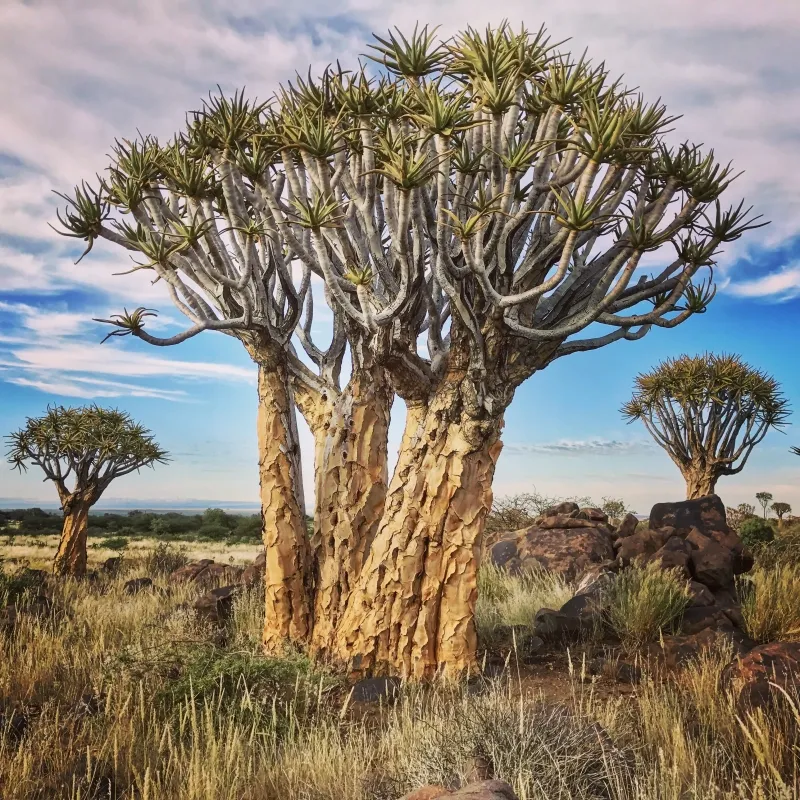
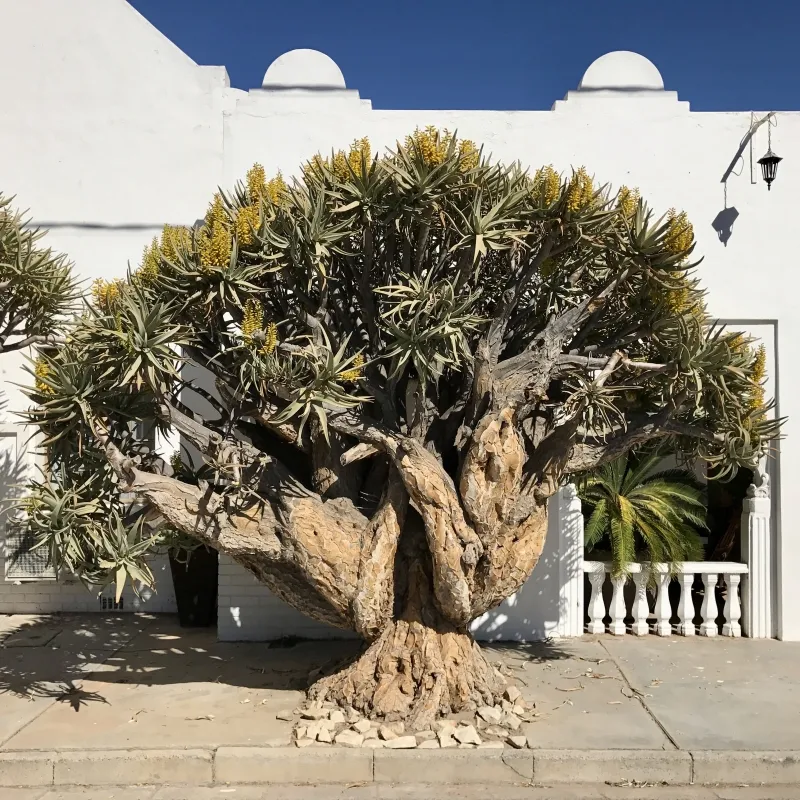
Quiver tree develops amazing trunk, branched crown of blue-grey leaves. Yellow flower clusters. Perfect drainage needed. Great in pots.
 Altura Altura | 12–20 pies |
|---|---|
 Ancho Ancho | 8–15 pies |
 Tolera Tolera | Sequía, Calor, Macetas, Azoteas, Viento |
 Riego Riego | Bajo |
Water every other week during summer when temperatures are warm and water monthly or not at all if winters are wet. | |
 Resiste hasta Resiste hasta | 24 °F |
 Exposición Exposición | Pleno sol |
 Características Características | Con flores, Colibríes, Jardín de rocas, Escultural, Solitaria, Suculenta, Árbol, Forma tronco |
 Interior / exterior Interior / exterior | Exterior |
 Drenaje Drenaje | Requiere drenaje perfecto |
 Fertilización Fertilización | Uso general a media concentración, Necesita poco |
 Origen Origen | Noroeste de Sudáfrica |
 Nativa de California Nativa de California | No |
 Zonas Sunset Zonas Sunset | 13, 16, 18–24 |
Notas de cultivo
Aloe dichotoma responds very poorly to heavy soils, and should not be planted in anything except sandy or rocky well drained soil. Clay is a hard no for this plant.
In pots plant in half cactus mix half pumice or lava rock and be sure the plant doesn't stop the bottom hole.
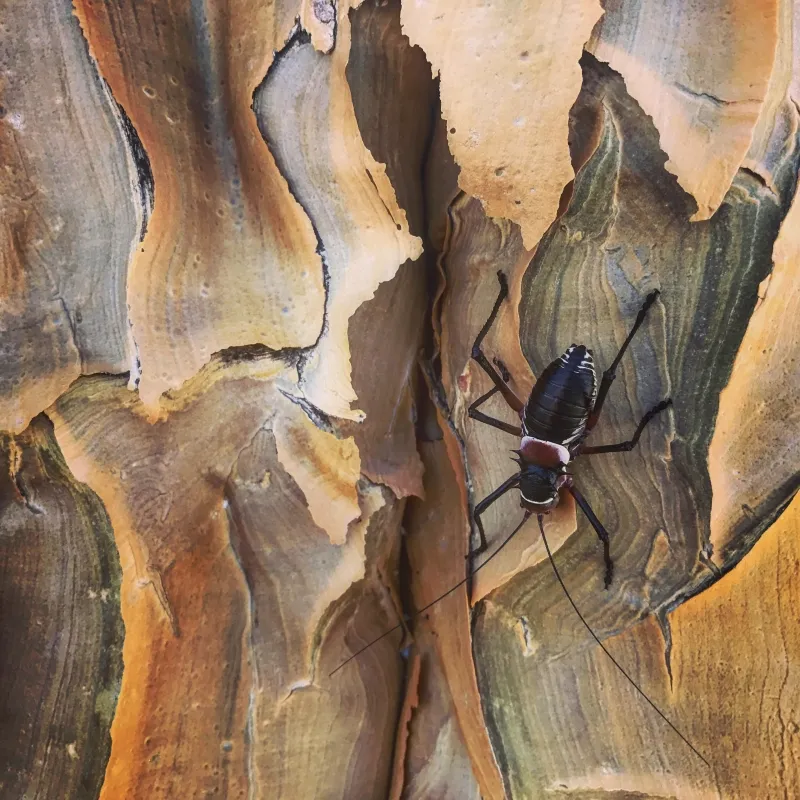
Leaves shed cleanly once dry, leaving a trunk that is initially glossy and smooth. Later the characteristic vertical scales develop.
Pruning Aloe dichotoma will expose the punky inner structure and wounds are slow to heal.
Pale yellow flowers in fall, occasionally, but not always, in abundance.
Interés especial
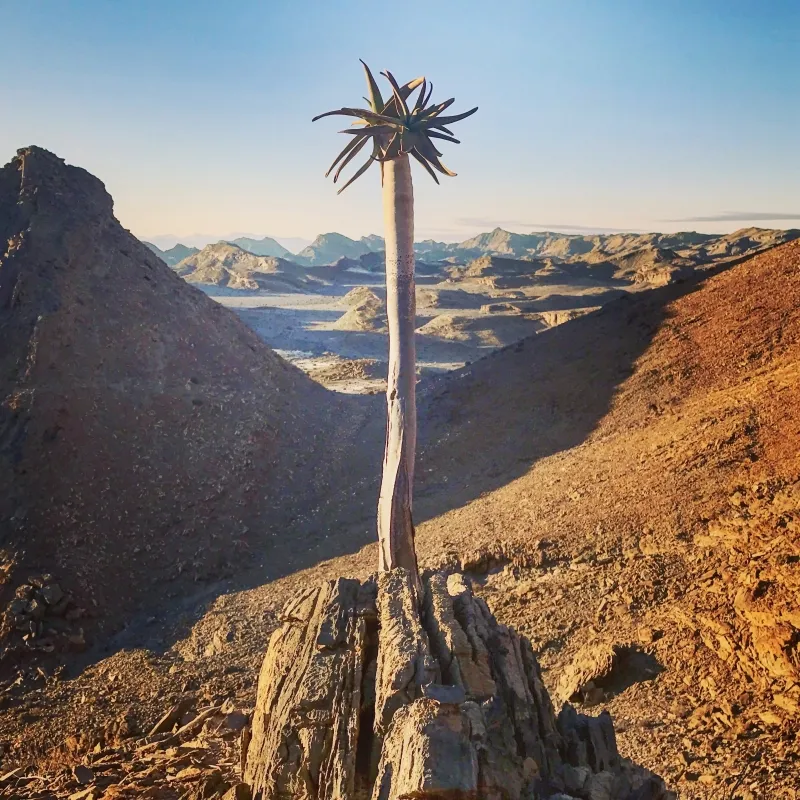
This aloe is called the quiver tree as the people indigenous to the area hollow out the branches and use them as quivers for their arrows. Extremely slow growing, large plants in habitat are presumed to be up to a few hundred years old. They are native to a part of South Africa known as the Richtersveld which is one of the driest locations in the country, with certain areas receiving as low as 5mm of rain per year leaving the vegetation to primarily rely on morning fog. This plant is certainly at risk of extinction with climate change; both from rising high temperatures in the summers and the lack of rain in the winters.
Propagating this plant by cutting is very tricky, but not impossible. Aloe ramosissima is considered at this point to be a subspecies of this aloe, the distinguishing feature being that it does not form a strong central trunk, instead being branched from the base of the plant with more branches than A. dichotoma. Aloe ramosissima can grown from cutting, and if it truly is the same species, A. dichotoma theoretically should be able to be grown from cutting as well. There are a handful of instances of people successfully rooting cuttings. Time of year and weather play a large part.
Más información
The amazing photos of this plant in habitat were taken by our staff member Tyson Curtis in Namibia.
Esta información refleja las observaciones de Grubb and Nadler y de nuestra comunidad de amantes de las plantas. Siempre tomamos en cuenta las aportaciones de otros horticultores y agradecemos los comentarios de quienes tengan más información sobre el cultivo de esta planta.
© 2020–2026 Grubb and Nadler. Todos los derechos reservados.