
Aloe maculata
soap aloe
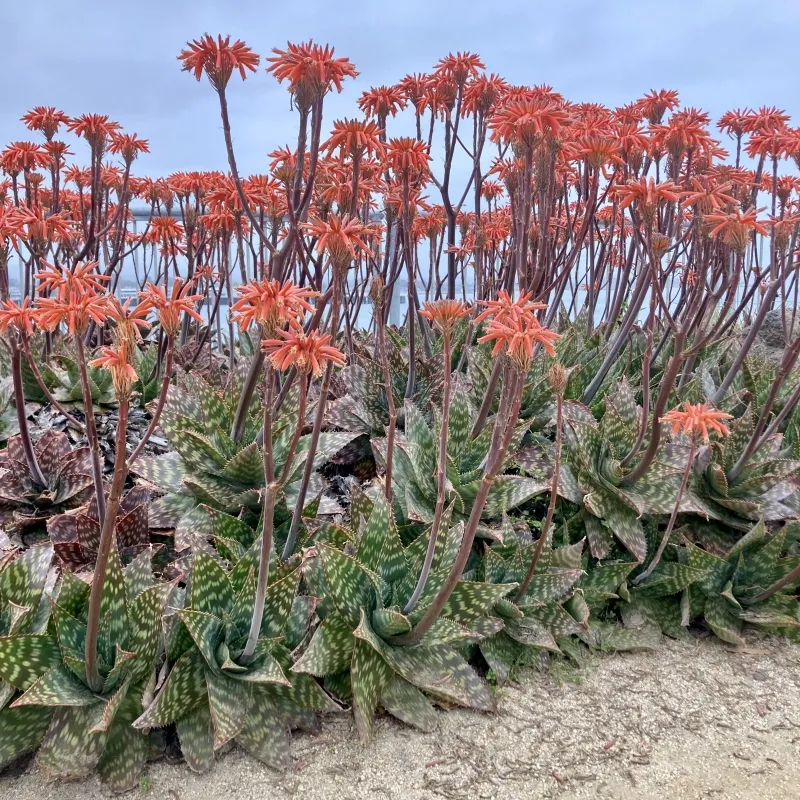
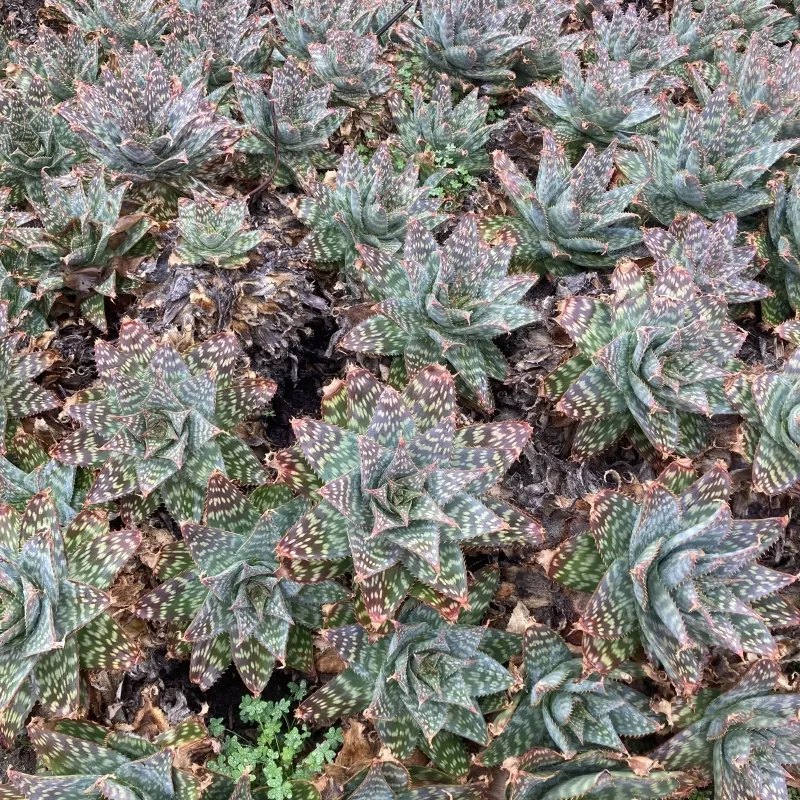
Spotted aloe. Produces pom-pom clusters of dusty orange flowers in spring held on tall stalks. Clusters to make dense colonies over time.
 Altura Altura | 6–8 pulg. |
|---|---|
 Ancho Ancho | 1–3 pies |
 Tolera Tolera | Costa, Veranos frescos, Sequía, Venados, Neblina, Tuzas, Descuido, Sal, Viento |
 Riego Riego | Mínimo |
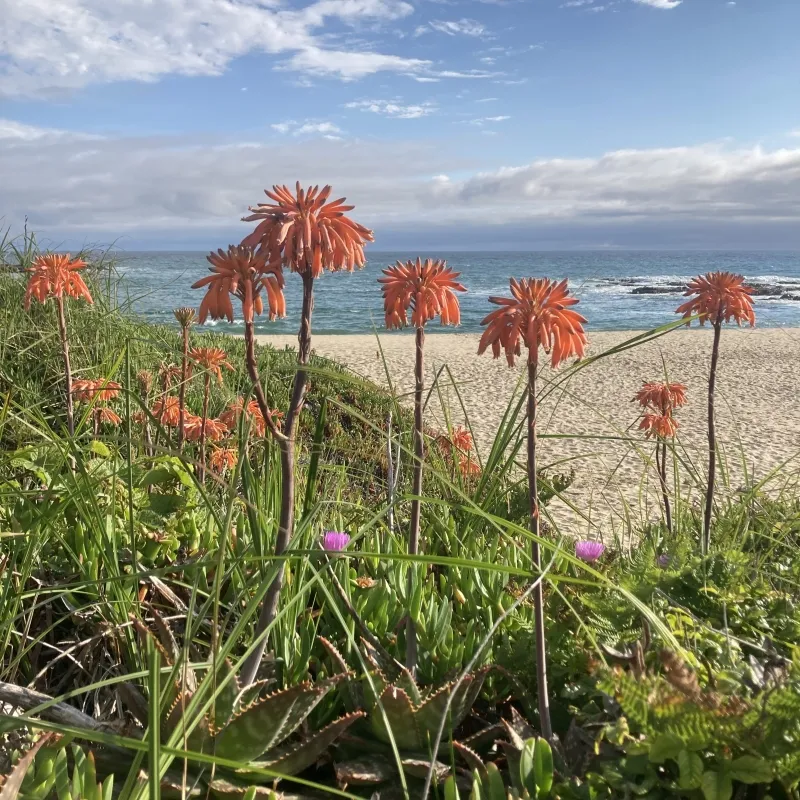
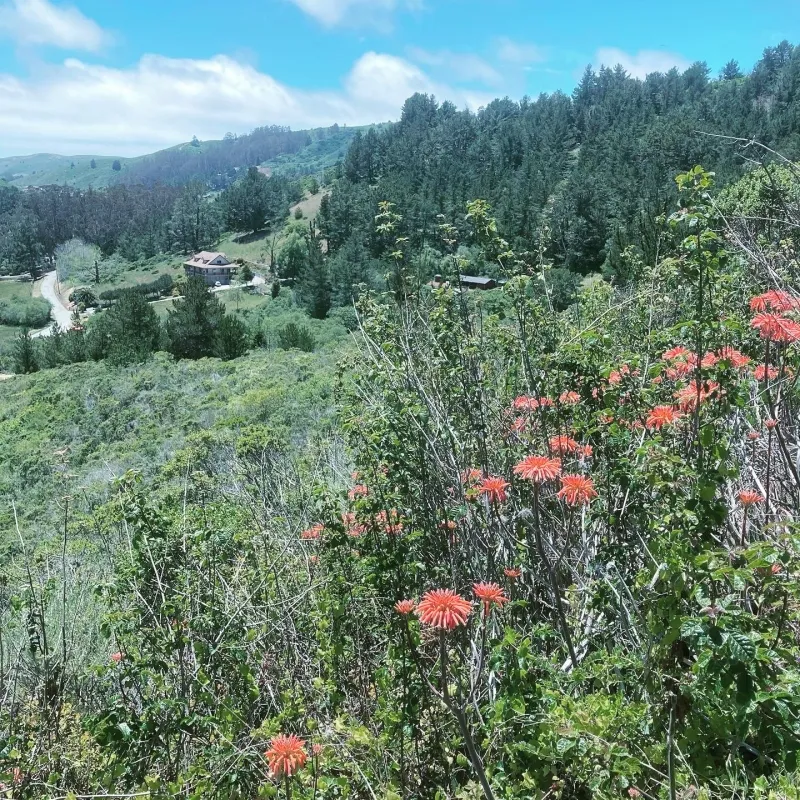
Aloes thrive on neglect, making them one of the easiest garden plants for California. They are drought-tolerant, and this one will not need additional water once established in your garden and Aloe maculata has actually naturalized on the central coast of California (as seen in the photo here near Gazos Creek and also outside Halfmoon Bay) where you'll only spot it when the tall, bright flower spikes pop up out of the chaparral. While it's one of the most tolerant of drought, it's also one of the least attractive when severely under-watered, quickly getting crispy tips. | |
 Resiste hasta Resiste hasta | 25 °F |
 Exposición Exposición | Sombra total – Pleno sol |
 Características Características | Con espinas, Con flores, Colibríes, Jardín de rocas, Roseta, Escultural, Extendida, Suculenta, Produce hijuelos |
 Interior / exterior Interior / exterior | Exterior |
 Drenaje Drenaje | En el suelo: mezcla para cactus, En maceta: mezcla para cactus, Tolera suelo pesado, Tolera suelo arenoso |
 Fertilización Fertilización | Uso general a media concentración, Necesita poco |
 Origen Origen | Sur de África |
 Nativa de California Nativa de California | No |
 Zonas Sunset Zonas Sunset | 9, 14–24 |
Notas de cultivo
Easily establishes colonies via underground stolons so that new heads seem to arrive as an entirely new plant away from the mother plant. These are very easy to remove and propagate.
Turns reddish brown with a lot of sun and looks best in part shade.
Once the flower stalks are completely bloomed out and dry, they will come out with a light tug, or can be pruned off low in the crown.
This aloe tends to get crispy tips and not look that great when potted; it's best planted in the ground.
Interés especial
The common name soap aloe comes from this plant being used at soap in its natural habitat.
Hummingbirds love aloes, many of which are pollinated by birds in their native habitat.
Enlaces
Esta información refleja las observaciones de Grubb and Nadler y de nuestra comunidad de amantes de las plantas. Siempre tomamos en cuenta las aportaciones de otros horticultores y agradecemos los comentarios de quienes tengan más información sobre el cultivo de esta planta.
© 2020–2026 Grubb and Nadler. Todos los derechos reservados.