
Rhapis excelsa
lady palm
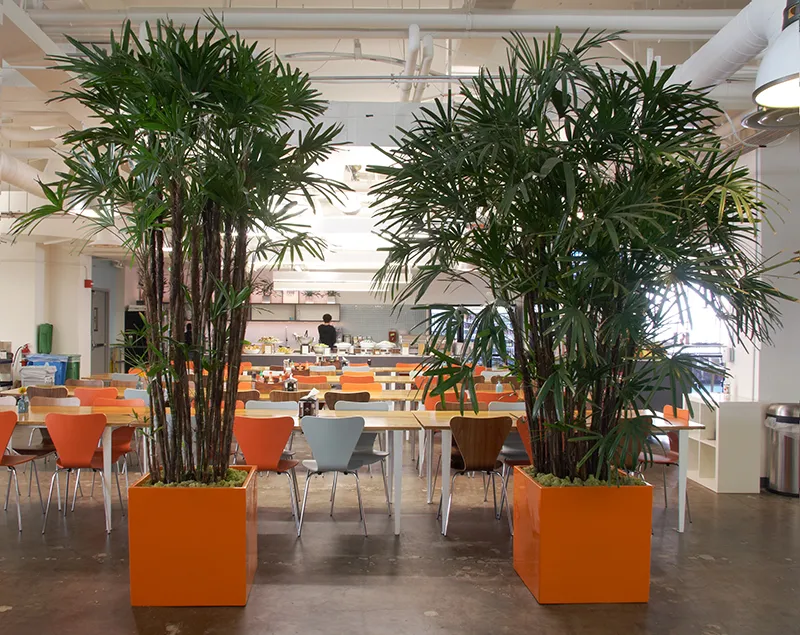
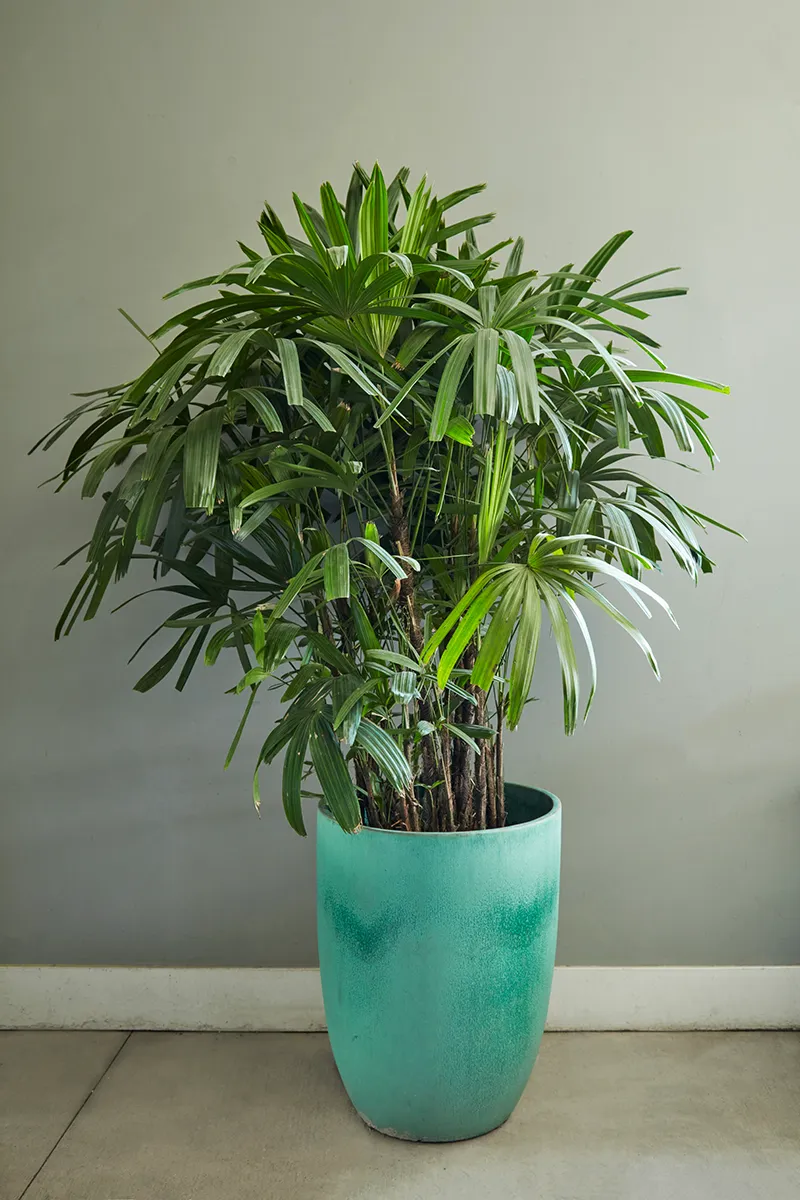
Clustering upright palm excels in even low light. Peel away raffia to expose clean green trunk or leave natural. The only fan palm that grows reliably indoors.
 Altura Altura | 5–10 |
|---|---|
 Ancho Ancho | 2–5 pies |
 Tolera Tolera | Macetas |
 Riego Riego | Moderado |
This plant wants water when the top of the soil is dry, but you can still feel moisture just below the surface. This plant will often fall into a once-a-week watering cycle, but remember that your watering should be based on the moisture left in the soil, which will depend partly on the moisture in the room and the weather outside. The soil 'surface'' goes a bit deeper for larger pots; for example, a plant in a 14-inch diameter pot should dry out a couple of inches deep before you water it, while a plant in a 4-inch pot will only want to dry out in the top ½ inch or so of soil. Pay extra attention to the drainage component of your plant. Many houseplant growers will grow palms in very fast draining mix, and if you find that this palm is in an exceptionally gritty potting soil it will need more frequent watering. | |
 Resiste hasta Resiste hasta | 15 °F |
 Exposición Exposición | Luz indirecta brillante – Poca luz |
 Características Características | Palma, Barrera visual, Produce hijuelos, Tropical |
 Interior / exterior Interior / exterior | Exterior |
 Drenaje Drenaje | En el suelo: mezcla para cactus, En maceta: tierra para macetas |
 Fertilización Fertilización | Uso general |
 Origen Origen | Sur de China |
 Nativa de California Nativa de California | No |
 Zonas Sunset Zonas Sunset | 9, 14–24 |
Notas de cultivo
Thin stems and trim off new suckers if a less full plant is desired.
Más información
This plant has been raised to live indoors; however, it can also grow outdoors in mild areas of California. Keep in mind that the plant will go through a stressful transition, especially if moved outside in particularly hot, cold, or wet weather. Even if this plant will eventually thrive in direct sunlight, it has not been grown in this level of light, so if you plant it in direct sun, just expect that the leaves may burn at first, then happily regrow as they acclimate to the new levels of light. Planting in the spring or fall will help with this transition.
Enlaces
Esta información refleja las observaciones de Grubb and Nadler y de nuestra comunidad de amantes de las plantas. Siempre tomamos en cuenta las aportaciones de otros horticultores y agradecemos los comentarios de quienes tengan más información sobre el cultivo de esta planta.
© 2020–2026 Grubb and Nadler. Todos los derechos reservados.