
Sansevieria cylindrica
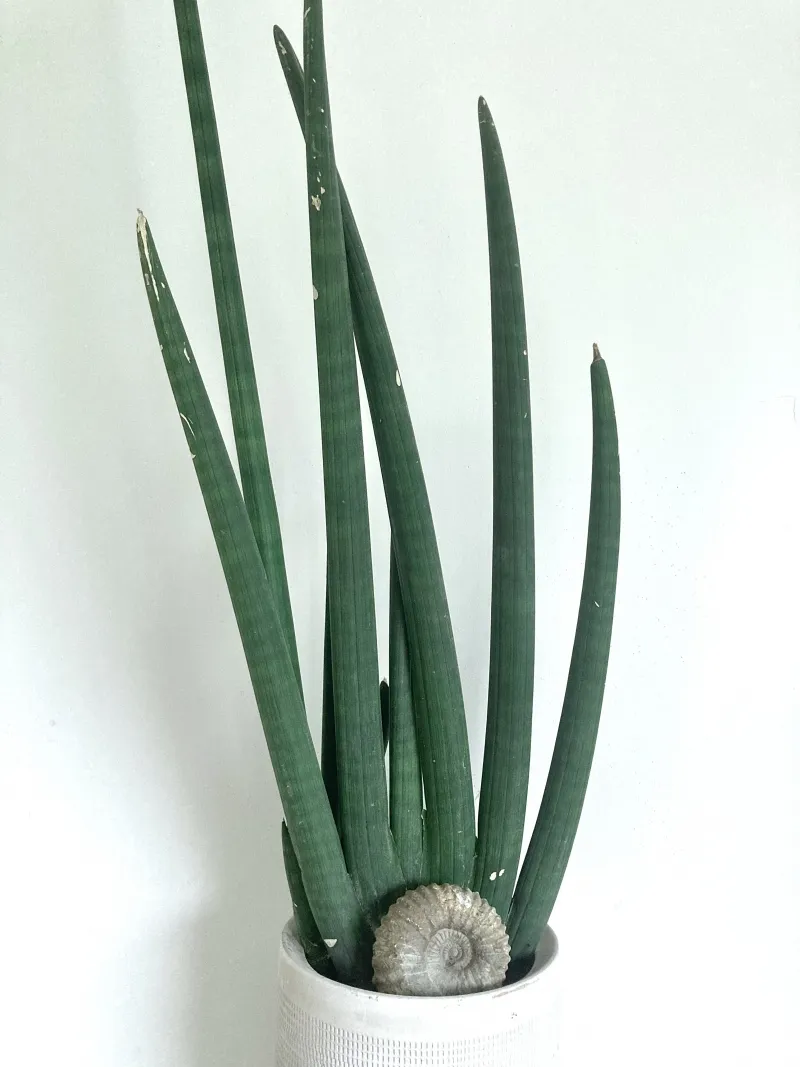
Horn-like leaves distinguish this exceptional houseplant. Wants more light than typical Snake Plant. Suckers to make a colony over time.
 Sinónimos Sinónimos | Dracaena angolensis (current name) |
|---|---|
 Altura Altura | 2–3 pies |
 Ancho Ancho | 1–3 pies |
 Tolera Tolera | Sequía, Calor, Macetas, Descuido |
 Riego Riego | Cuando la tierra esté completamente seca. |
Since these cylindrical Sansevierias thrive in almost any light conditions (looking their best in some direct sun or very high light), their watering will reflect where they land on that spectrum. In direct sun they don't need to go bone dry, and will grow better if they are allowed to go mostly dry, but not bone dry. When pushed into lower light, they'll want water less often. In moderate to low light they absolutely need to go bone dry between watering. Shriveling of the leaves (particularly lower old ones) lets you know the plant has been underwatered. Soggy or slimy lower leaves lets you know the plant has been overwatered and you are risking root rot, if it isn't already present. | |
 Resiste hasta Resiste hasta | 30 °F |
 Exposición Exposición | Poca luz – Sol directo |
 Características Características | Escultural, Suculenta, Produce hijuelos |
 Interior / exterior Interior / exterior | Interior |
 Drenaje Drenaje | En el suelo: mezcla para cactus, En maceta: mezcla para cactus, Tolera suelo arenoso |
 Fertilización Fertilización | Uso general |
 Origen Origen | África |
 Zonas Sunset Zonas Sunset | 13, 22–24, H2 |
Notas de cultivo
Most sansevieria, like this one, are stoloniferous, meaning that they spread by thick underground (or sometimes above ground) shoots called stolons. It's very easy to propagate your sansevieria by finding a growth point and following the fleshy stolon back to the previous growth point. Cut it there and replant the stolon, with roots and all. Those with above ground stolons can be removed and planted once you see roots forming along the stolons.
Interés especial
Occasionally Sansevierias bloom with delicate waxy flowers that have a strong pleasing scent.
Más información
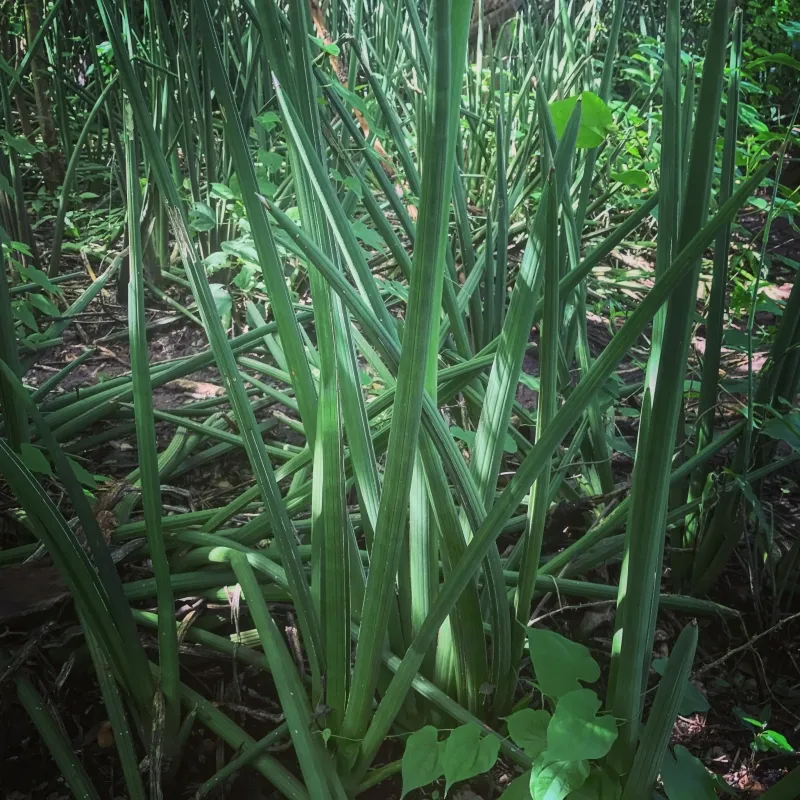
Photo of this plant in habitat taken by our own Tyson Curtis in Zimbabwe.
Esta información refleja las observaciones de Grubb and Nadler y de nuestra comunidad de amantes de las plantas. Siempre tomamos en cuenta las aportaciones de otros horticultores y agradecemos los comentarios de quienes tengan más información sobre el cultivo de esta planta.
© 2020–2026 Grubb and Nadler. Todos los derechos reservados.