
Syngonium chiapense
Chiapas heartleaf
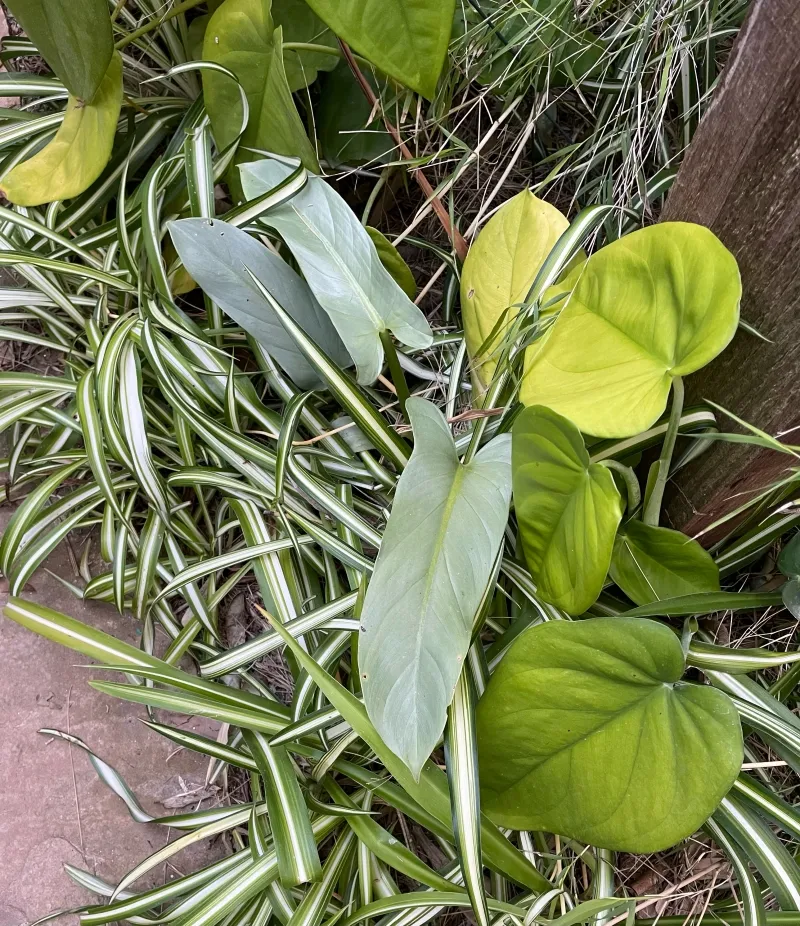
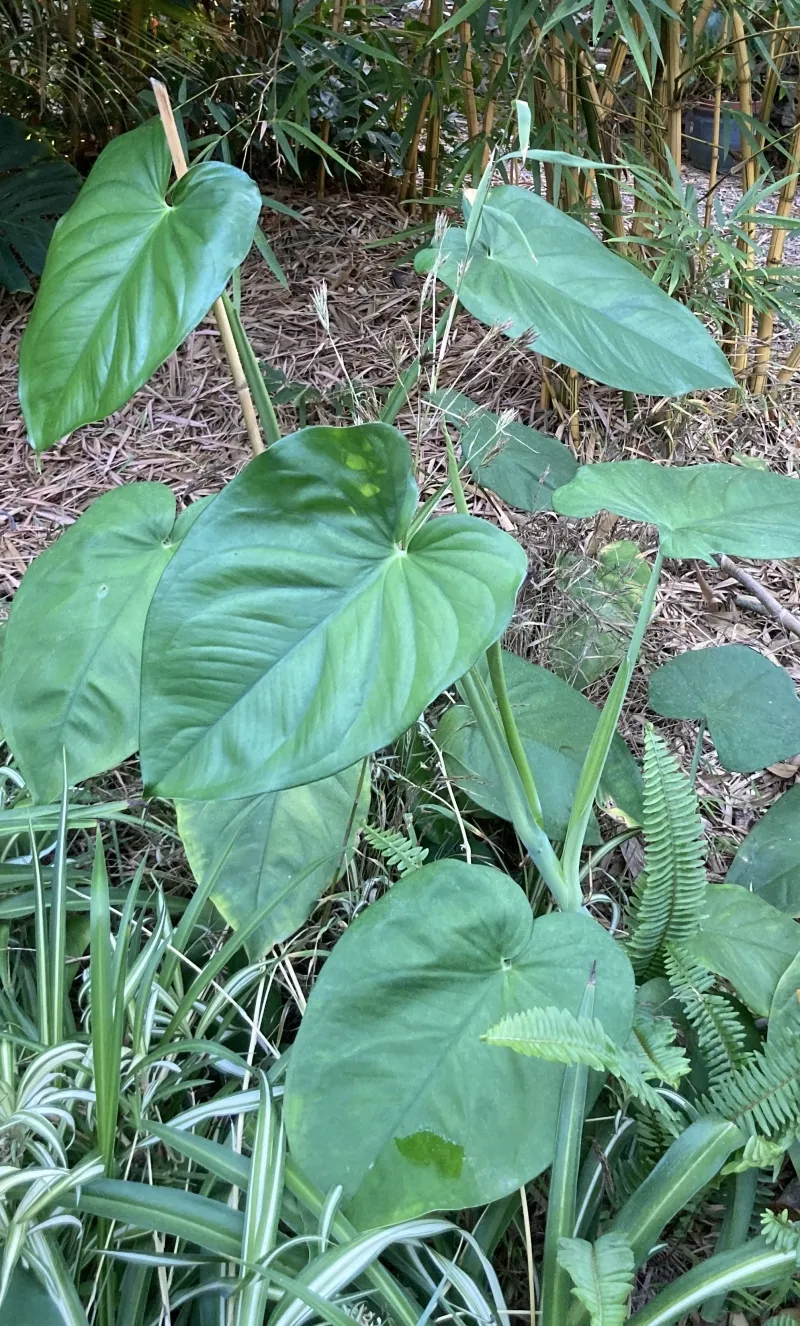
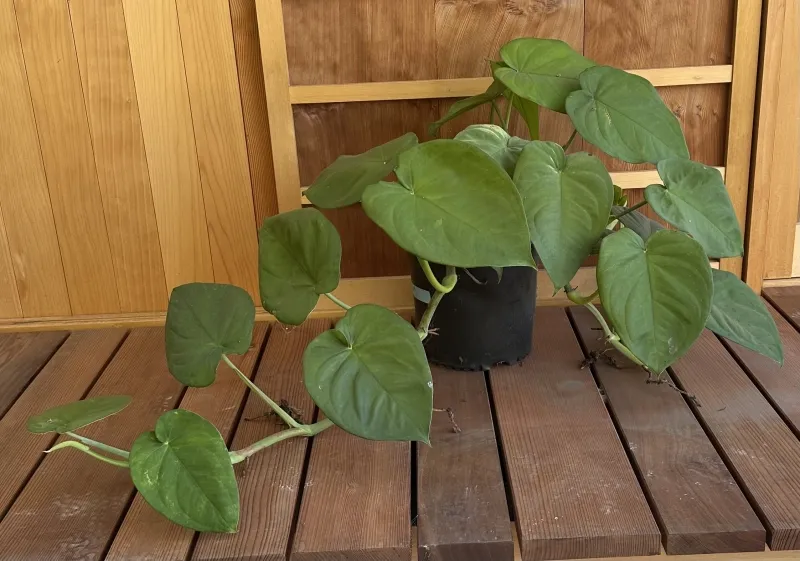
Rare! Cool-tolerant, jade-toned vine brings a tropical vibe into the garden. Train it up a totem, tree or fence. Also glorious cascading from baskets and pots. Heart shaped leaves.
 Altura Altura | 2–3 pies |
|---|---|
 Ancho Ancho | 1–2 pies |
 Tolera Tolera | Calor, Espacios angostos, Macetas |
 Riego Riego | Moderado – Alto |
This plant appreciates good drainage and having the surface dry out between waterings, but not to dry out deeper into the soil. As this plant is quite new to outdoor cultivation we are just speculating, but we have seen them with yellowing leaves, which is likely a sign of too little drainage combined with water or too much sun exposure (as monsteras have a similar tendency to yellow in a warm sunny exposure, before they burn.) | |
 Resiste hasta Resiste hasta | 32 °F |
 Exposición Exposición | Sombra total – Sol parcial |
 Características Características | Epífita, Follaje vistoso, Tropical, Jardín vertical, Trepadora - autoadherente |
 Interior / exterior Interior / exterior | Interior o exterior |
 Drenaje Drenaje | En el suelo: mezcla para cactus, En maceta: mezcla para cactus, Corteza para orquídeas, Tolera suelo arenoso |
 Fertilización Fertilización | Uso general |
 Origen Origen | México, Guatemala |
 Nativa de California Nativa de California | No |
 Zonas Sunset Zonas Sunset | 16, 17, 21–24, H1, H2 |
Notas de cultivo
While this plant is typically thought of as a houseplant, we have trialed it outdoors in our coastal California and it's performed so admirably that we are now offering it as an outdoor garden plant! We've grown it in San Francisco, Oakland, northern San Diego County, and in Venice, California.
This is a RARE plant! We are excited about the plant because there is really nothing else quite like it for coastal gardens.
It is a that vine loves climbing up palms, trees and fences. If the structure is also watered this plant will attach robustly and grow more vigorously. The size here is given as a grounded foliage feature, but it will (with time) grow taller given a structure to grow on.
This plant thrives in frost free areas. It may also be grown in gardens that receive light frosts, if it is protected by the canopy of a tree or grown in a covered entryway.
Fertilize during the summer growing season.
Más información
Isn't this really a houseplant? Well that's a tricky question. In general this type of plant makes a great houseplant, but this specific plant hasn't been grown to be a houseplant. Houseplants are grown under regulated conditions and with sterile soil, setting them up to thrive in your home. When outdoor-grown plants are taken indoors, they tend to transition poorly, often becoming magnets for pests. That said, if you decide to live dangerously and bring this plant indoors, here's some advice to help you out. Start by unpotting the plant and removing any loose soil. Next, preemptively treat the entire plant, including the roots, with an insecticidal soap. Be sure to treat the roots gently throughout this process. Use a new nursery can or sterilize the previous one with bleach. Repot the plant in a fresh mix and then water deeply with the insecticidal soap mix. Be sure to keep an extra close eye out for any pests that might pop up. Always consider the risk of introducing pests to your other houseplants.
Enlaces
Esta información refleja las observaciones de Grubb and Nadler y de nuestra comunidad de amantes de las plantas. Siempre tomamos en cuenta las aportaciones de otros horticultores y agradecemos los comentarios de quienes tengan más información sobre el cultivo de esta planta.
© 2020–2026 Grubb and Nadler. Todos los derechos reservados.