
Acacia iteaphylla
willow leaf wattle
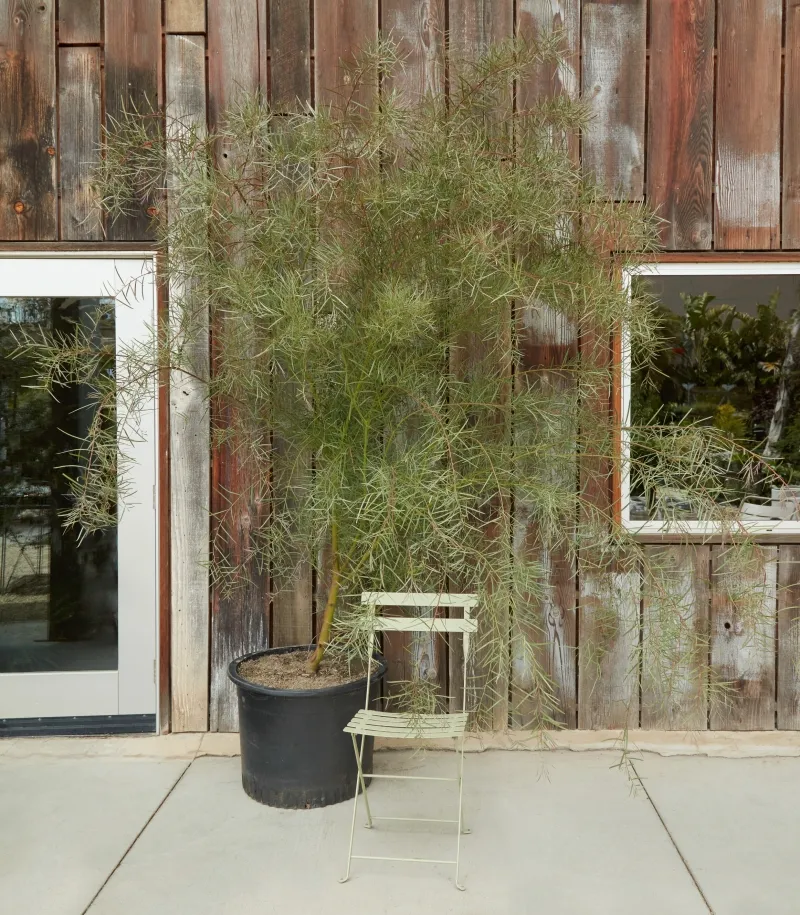
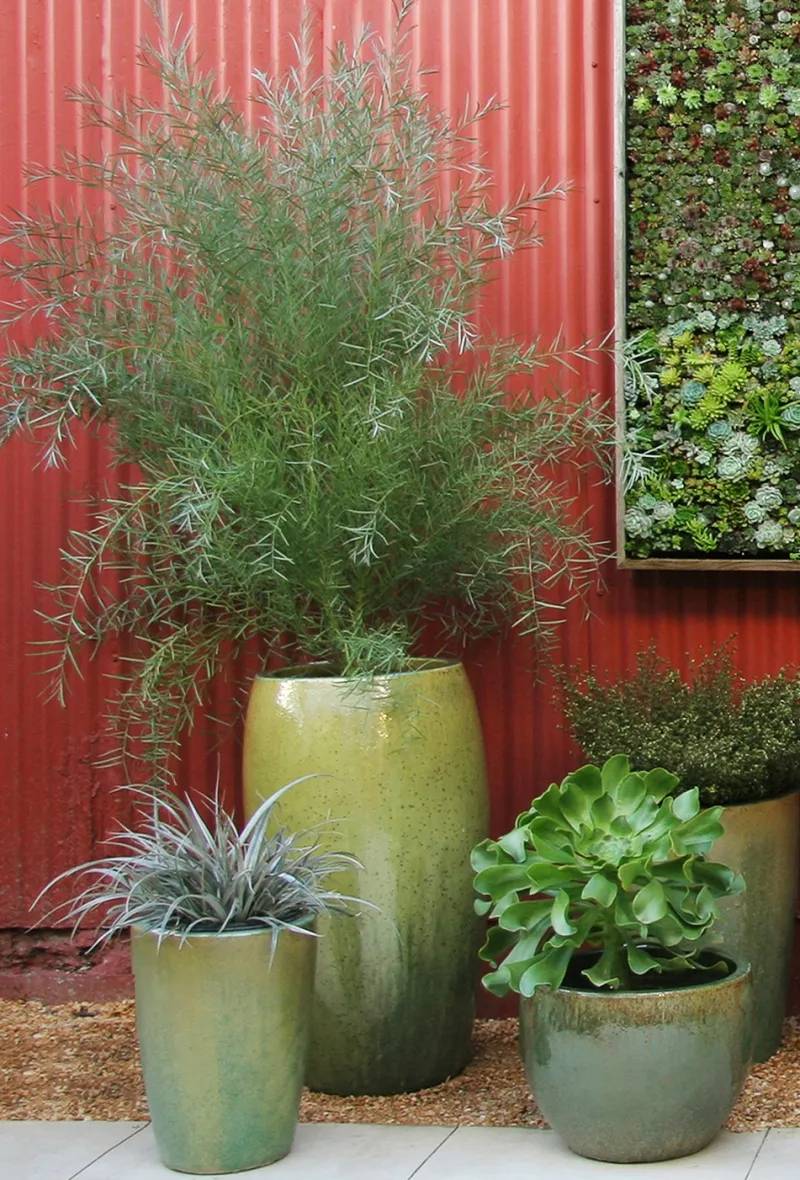
Dense shrub or small tree, fragrant, pale yellow blooms late fall to early spring. Adaptable to most soil conditions. Good in some shade, and excellent in a pot.
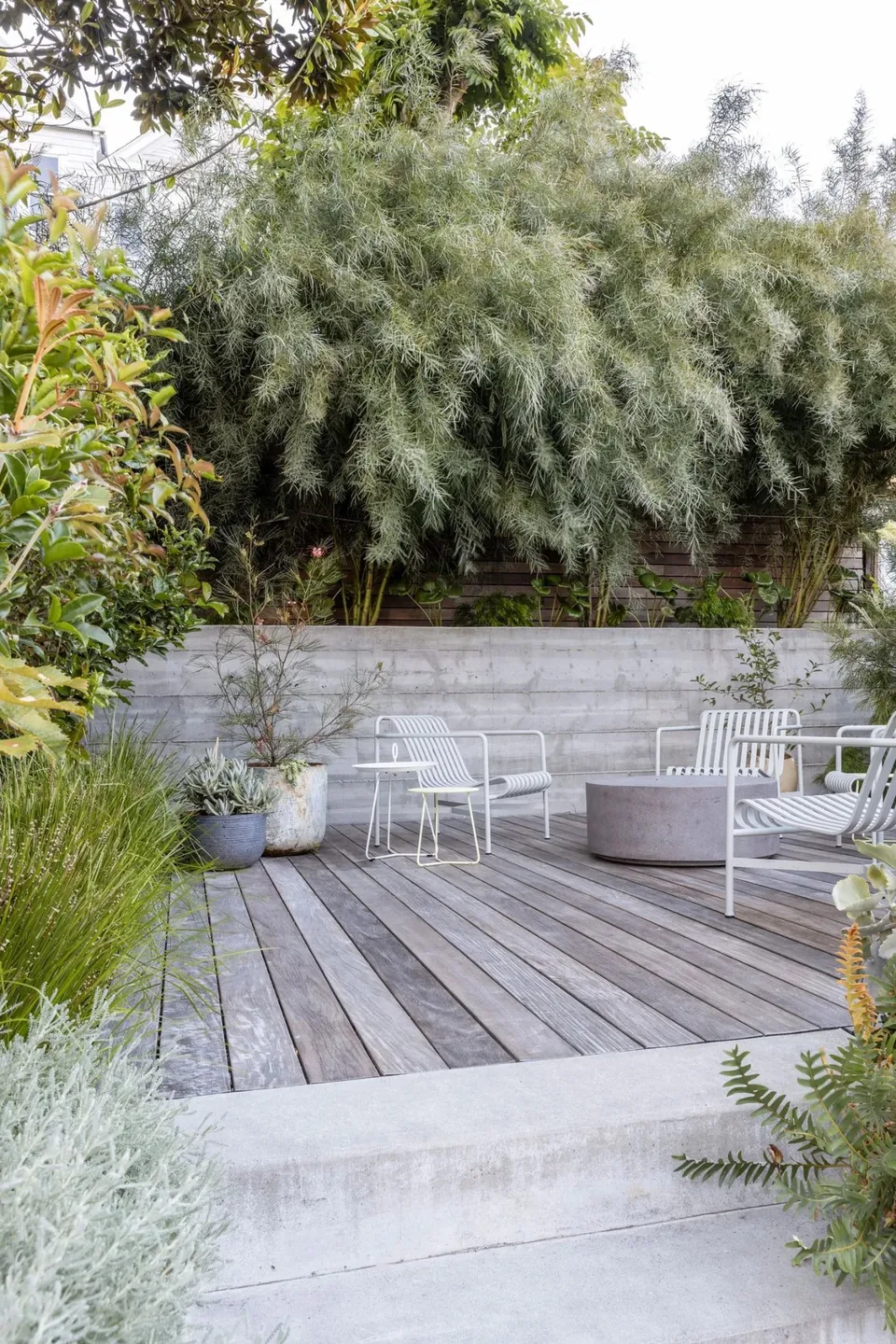
An acacia hedge in a garden by our friend Daniel Nolan
Seen in Flora Grubb’s New Home Garden →
 Height | 10–14ft |
|---|---|
 Width | 6–12ft |
 Tolerates | Drought, Pots, Wind |
 Water needs | Low |
After this acacia is established, it should be watered deeply but infrequently (when the top three inches of soil or so have dried). Use drippers, emitters or a slow stream of water so that it doesn't run off; allow the water to trickle all the way down through the deepest layers of soil. Though these trees are drought tolerant, never let them go bone dry in a pot. | |
 Hardy to | 15°F |
 Exposure | Part Sun – Full Sun |
 Plant traits | Flowering, Hedge, Screen, Shrub, Weeping |
 Indoor / outdoor | Outdoor |
 Drainage | In Ground: Cactus Mix, In Pots: Cactus Mix, Tolerates Sandy Soil |
 Fertilizing | All Purpose |
 Origin | S Australia |
 California native | No |
 Sunset zones | 8, 9, 12–24 |
Growing Notes
Acacias are FAST growers – this plant will reach full size in under five years, making it a great choice for privacy needs in your garden. Acacias are also relatively short-lived, typically growing for twenty to thirty years.
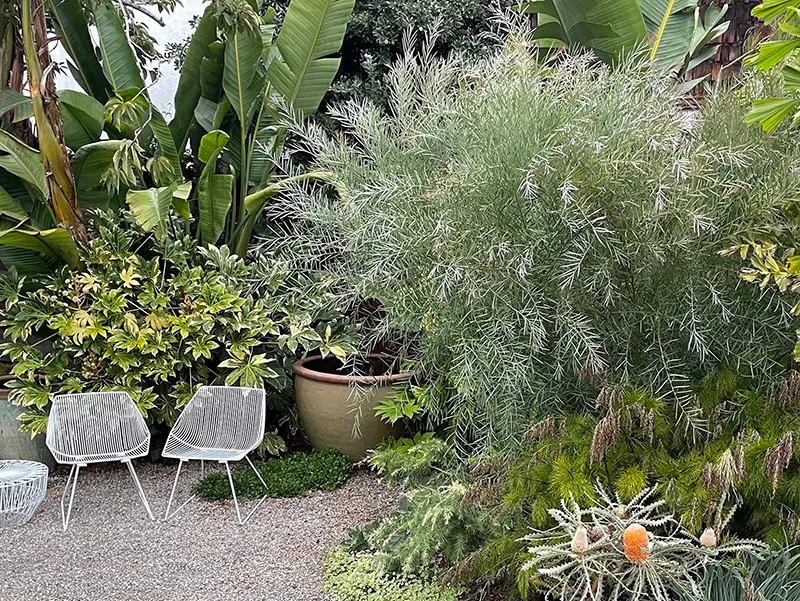
Since this acacia is naturally on the small side it's an excellent choice for pots, which will dwarf it further.
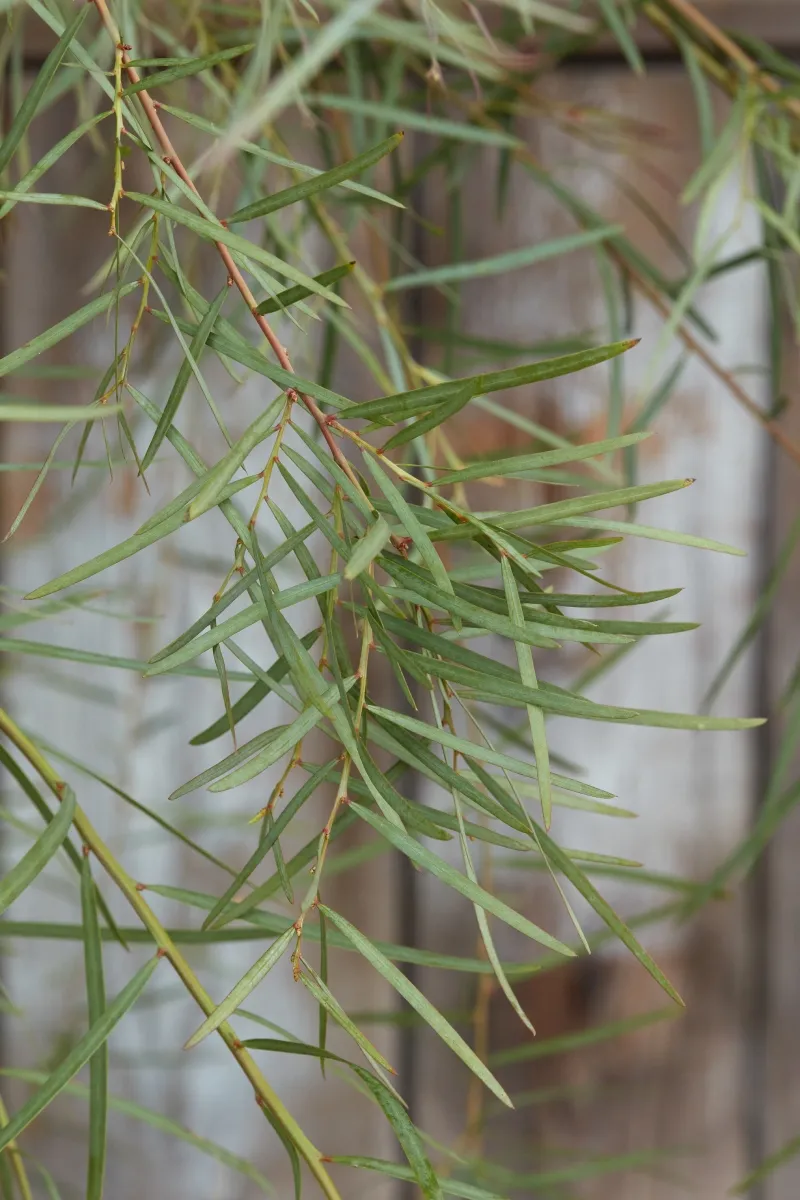
In some shade, acacia look softer and the purple-silver colors of this one will come out more. It will also tend to grow taller in shade, generally getting much taller than it is wide. In the full sun, it will get dense and bushy.
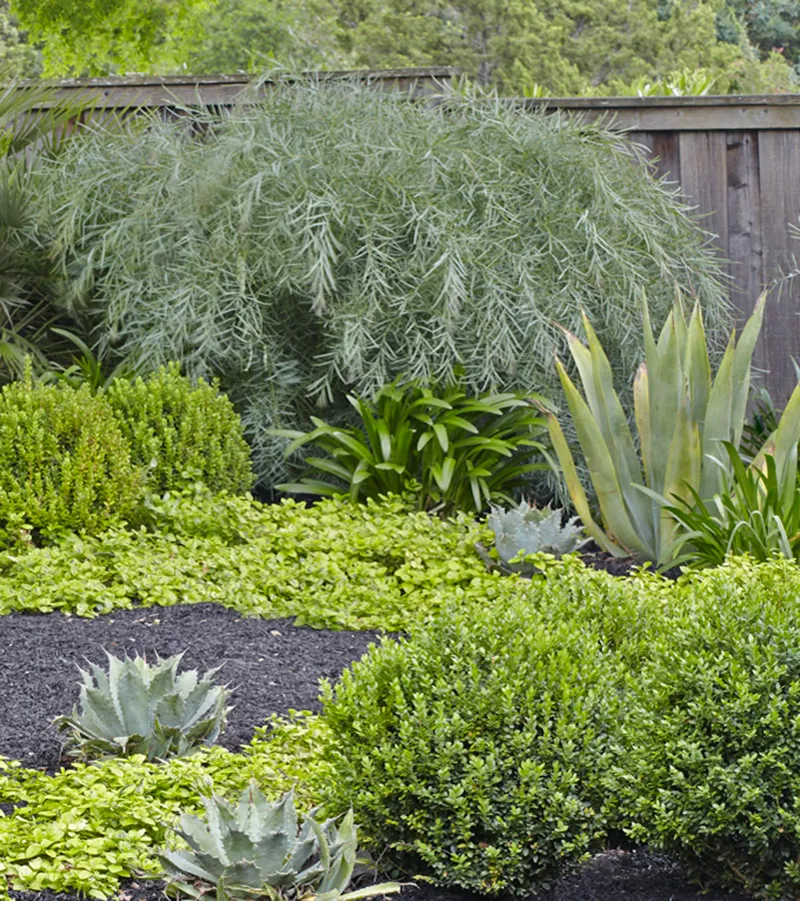
This shrub is forgiving of pruning. It looks best if you remove entire branches rather than shearing.
Special Interest
Let's dispel some rumors. All acacias are not invasive. Some can be quite problematic, but this one is not. Also, acacia allergies are not common. Many people who believe they are allergic to acacia are actually allergic to conifers, which shed airborne pollen at the same time of year.
Stories featuring this plant
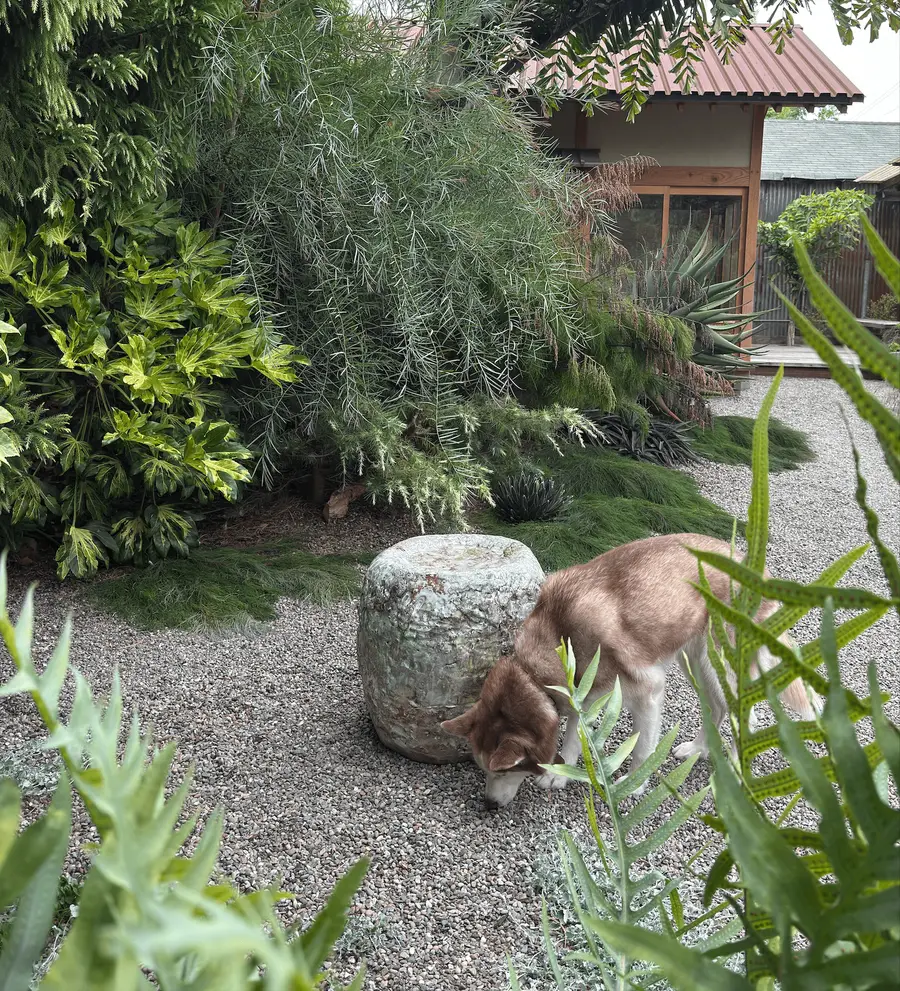 Garden storyFlora Grubb’s New Home GardenAbout twelve years ago, Flora Grubb, co-owner and co-founder of Flora Grubb Gardens, moved and began working on a new garden. No garden is ever finished, but Flora decided this garden is ready to share with you.
 Garden storyWispy Acacias for Your GardenHere in the Bay Area, when the acacias start showing their fireworks of delicate golden blooms, we know that spring is just around the corner.
Which store do you shop at?
The above information reflects the observations of Grubb and Nadler and our extended plant community. We always consider input from fellow horticulturists and welcome feedback from those with additional information on the culture of this plant.
© 2020–2026 Grubb and Nadler. All rights reserved.