
Agave stricta
hedgehog agave
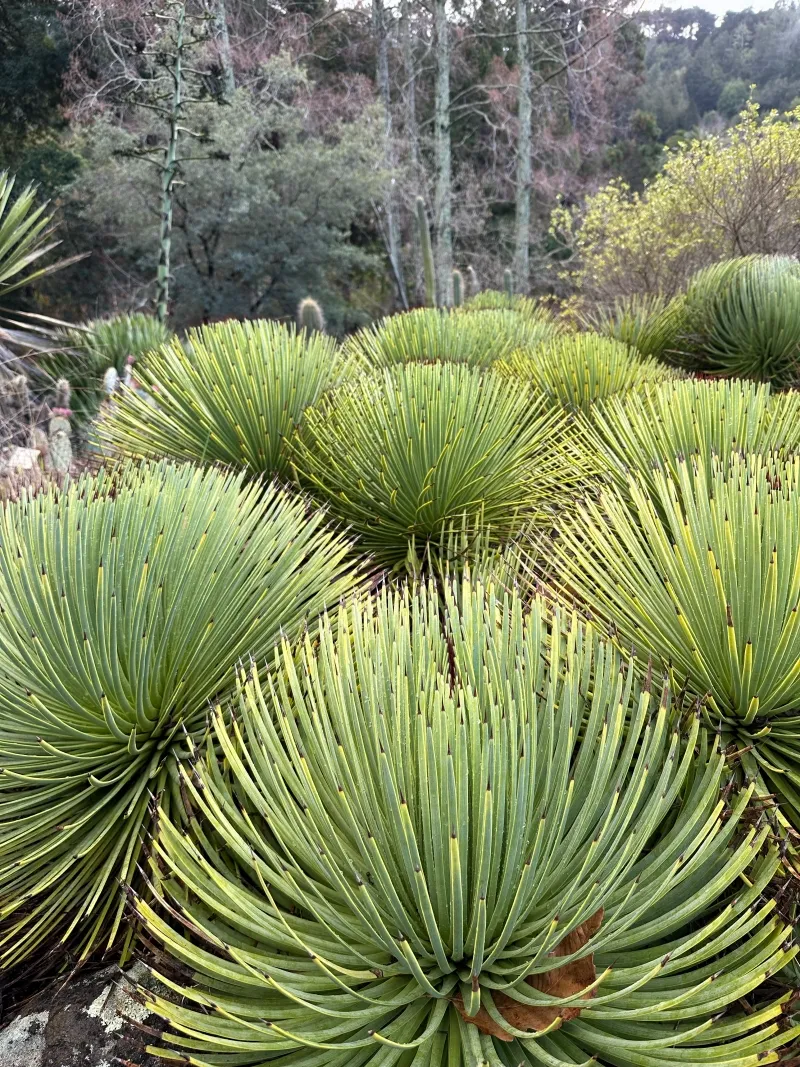
Hedgehog agave forms beautiful colonies of stiff leafed heads.
 Altura Altura | 1–2 pies |
|---|---|
 Ancho Ancho | 2–20 pies |
 Tolera Tolera | Sequía, Calor, Descuido, Viento |
 Riego Riego | Mínimo |
Agave plants are extremely drought tolerant, and this one needs no supplemental irrigation in coastal California. They will, however, look better and grow faster if they are given additional water, especially during summer. | |
 Resiste hasta Resiste hasta | 24 °F |
 Exposición Exposición | Sombra parcial – Pleno sol |
 Características Características | Con espinas, Monocárpica, Escultural, Produce hijuelos |
 Interior / exterior Interior / exterior | Exterior |
 Drenaje Drenaje | En el suelo: mezcla para cactus, En maceta: mezcla para cactus, Tolera suelo arenoso |
 Fertilización Fertilización | Uso general a media concentración, Necesita poco |
 Origen Origen | Sur de México |
 Nativa de California Nativa de California | No |
 Zonas Sunset Zonas Sunset | 13, 15–17, 19–24 |
Notas de cultivo
Width is for a single head, not the width of the colony, which can be expansive. This agave is best used to create a large colony, as it suckers prolifically.
This agave is monocarpic, meaning that a head will grow larger and larger over time, building up energy, then send off a spectacular flower, after which it declines and dies. With pupping varieties like this one, they grow from stolons and rhizomes at the base, constantly replacing the older bloomed-out heads with new ones, which then grow larger and flower, continuing the life cycle.
Agaves, even very large ones, are a great choice to grow in a pot. Agaves that would normally be ten feet in the ground tend to settle into even small pots and stay in harmonious balance. Every few years, if they start to stall, you can remove them and trim back a third of the roots and remove any pups. Sometimes they get very rootbound, and it can be beneficial to bottom water, setting them in a saucer of water for a day.
Interés especial
See the colony at UC Berkeley Botanical Garden to view the full mesmerizing potential of this plant.
Six to seven foot tall reddish purple flower spike at end of life.
Esta información refleja las observaciones de Grubb and Nadler y de nuestra comunidad de amantes de las plantas. Siempre tomamos en cuenta las aportaciones de otros horticultores y agradecemos los comentarios de quienes tengan más información sobre el cultivo de esta planta.
© 2020–2026 Grubb and Nadler. Todos los derechos reservados.