
Aloe arborescens
candelabra aloe
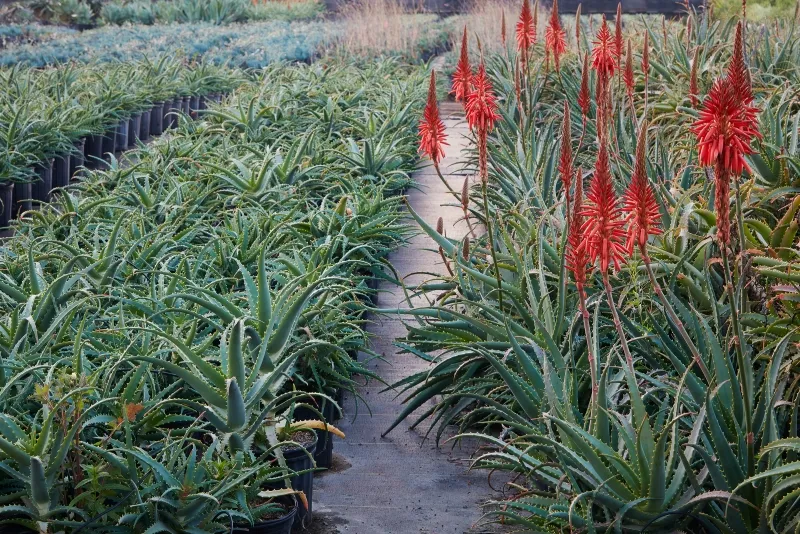
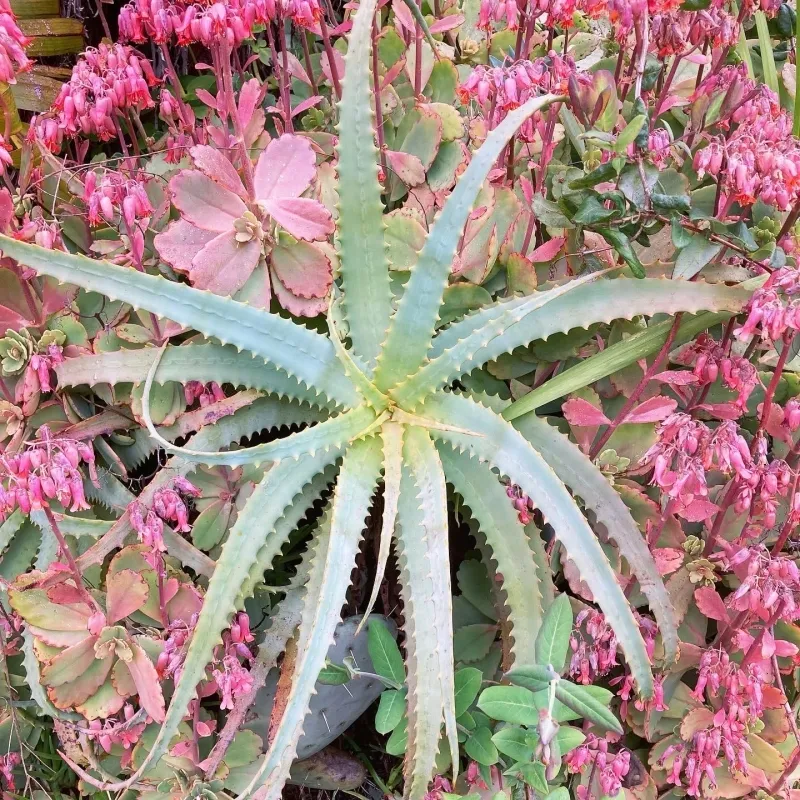
Vivid red-orange blooms fall through winter attract hummers. Survives with no summer watering once established. Indestructable low maintenance plant along the coast.
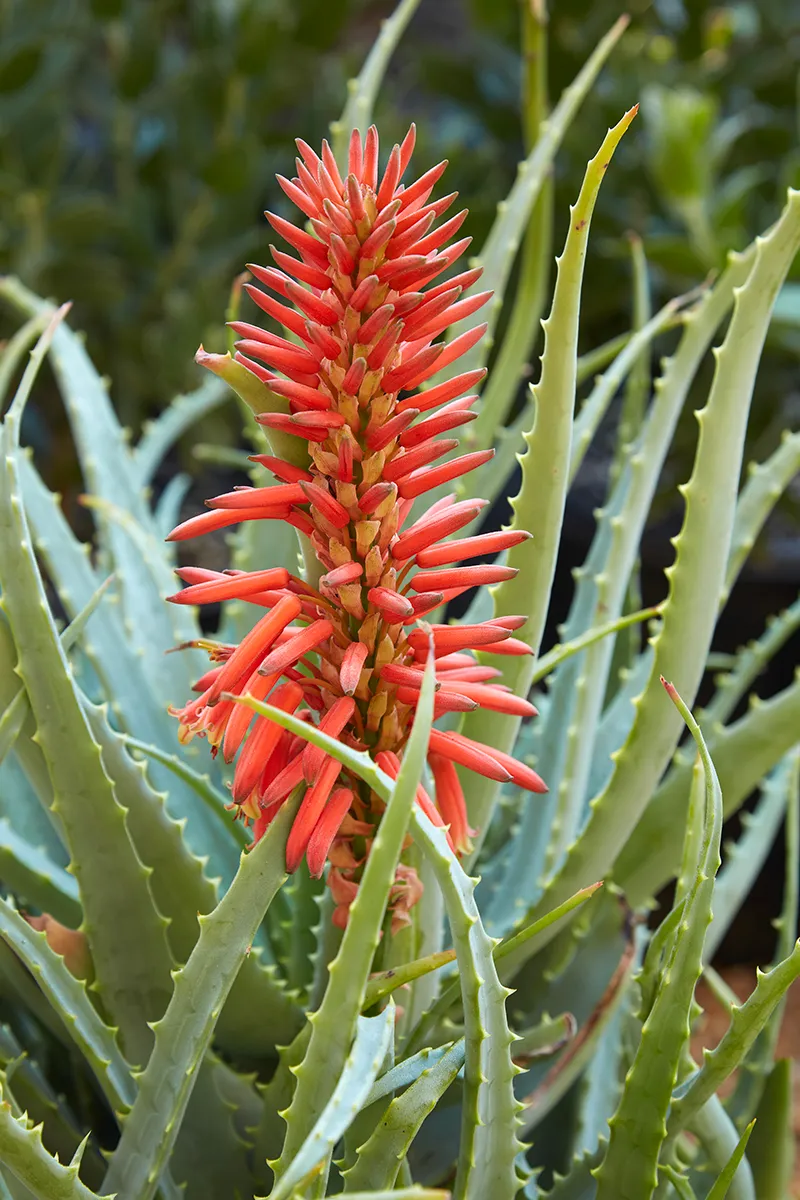
Seen in Flora Grubb’s New Home Garden →
 Height | 5–12ft |
|---|---|
 Width | 4–8ft |
 Tolerates | Coast, Cool Summers, Drought, Deer, Fog, Gophers, Heat, Pots, Rooftops, Neglect, Salt, Wind |
 Water needs | Lowest |
Aloes thrive on neglect, making them one of the easiest garden plants for California. They are drought-tolerant, and this one will not need additional water once established in your garden. Most aloes will be plump with many bright vibrant blue or green leaves during their growth season. It's natural for these same plants to show stress during their dry season, often turning shades of red, orange or brown, giving added seasonal interest to the succulent garden. During this time the leaves will curl in on themselves, and often shrivel up and shed from the base. If you prefer a lush look, watering once dry will keep them plump. | |
 Hardy to | 25°F |
 Exposure | Deep Shade – Full Sun |
 Plant traits | Armed, Clumping, Flowering, Humming Birds, Medicinal, Rosette, Sculptural, Succulent |
 Indoor / outdoor | Outdoor |
 Drainage | In Ground: Cactus Mix, In Pots: Cactus Mix, Tolerates Heavy Soil, Tolerates Sandy Soil |
 Fertilizing | All Purpose 1/2 Strength, Low Needs |
 Origin | SE Africa |
 California native | No |
 Sunset zones | 9, 13–24, H2 |
Growing Notes
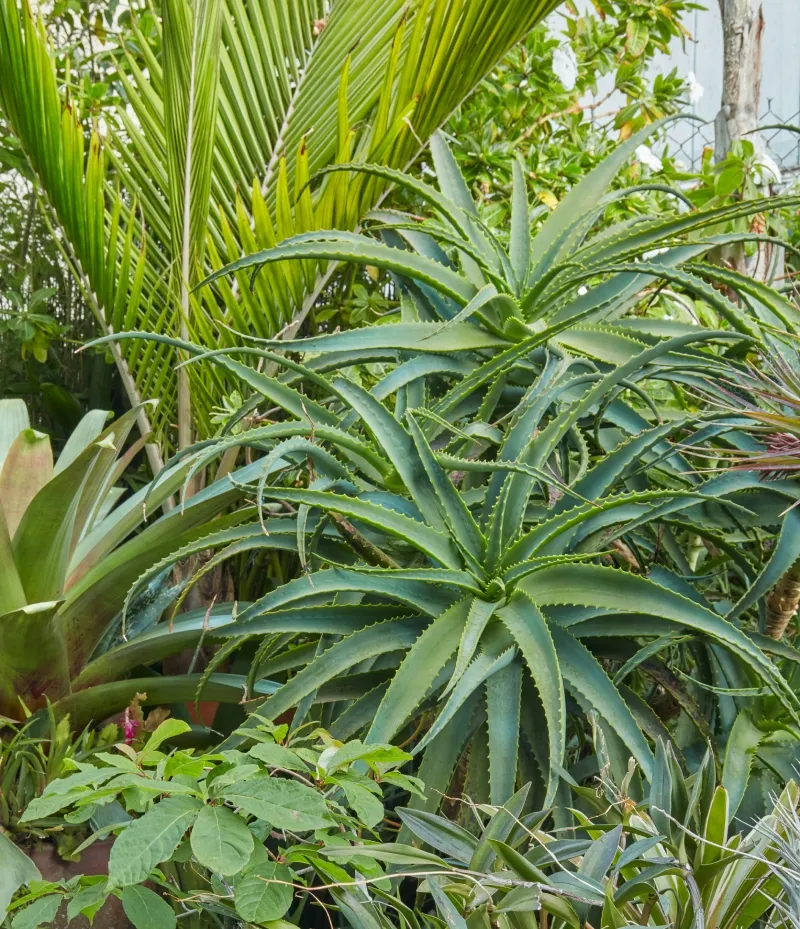
This plant will grow practically anywhere. We love it in dry, neglected shade. In the shade the leaves get big and sculptural.This aloe will retain the dried lower leaves to create an armed 'beard' or 'skirt' that helps defend the plant from predation. If you prefer, this beard may be removed by briskly rubbing off the old leaves. This is an aesthetic consideration that won't affect the plant either way. Leaving the dead lower leaves from the beginning can create a picturesque natural look. Removing the leaves can make removing suckers easier.
Once the flower stalks are completely bloomed out and dry, they will come out with a light tug, or can be pruned off low in the crown.
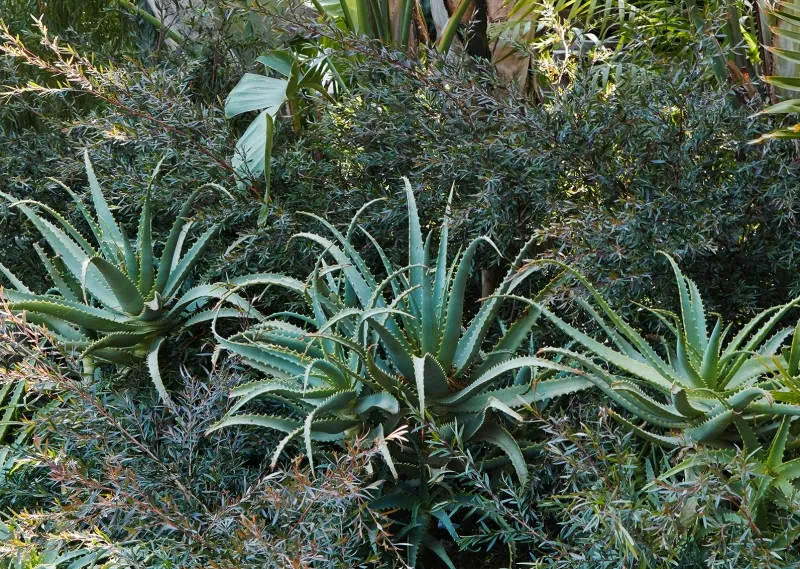
Allowed to grow without pruning, A. arborescens creates a dense mound of solid heads in sun, or a loose mound in shade. Removing suckers early (often by just knocking them off with your thumb) allows you to train this aloe into almost any form, from a single or multi stemmed tree aloe, to an upright tree aloe with branched form.
Can be cut (or burn) to the ground and will come back with a mass of fresh heads.
Easily propagated by planting stem cutting directly into well drained soil or cactus mix in a pot. Even cuttings that are never watered will establish if planted in the fall and exposed to winter rains.
Special Interest
Most aloes are not medicinal, but this one is! Apply the inner gel of the leaves as you would Aloe vera (barbadensis).
Hummingbirds love aloes, many of which are pollinated by birds in their native habitat.
Excellent choice for the fire suppression garden, where the beard should be removed.
Stories featuring this plant
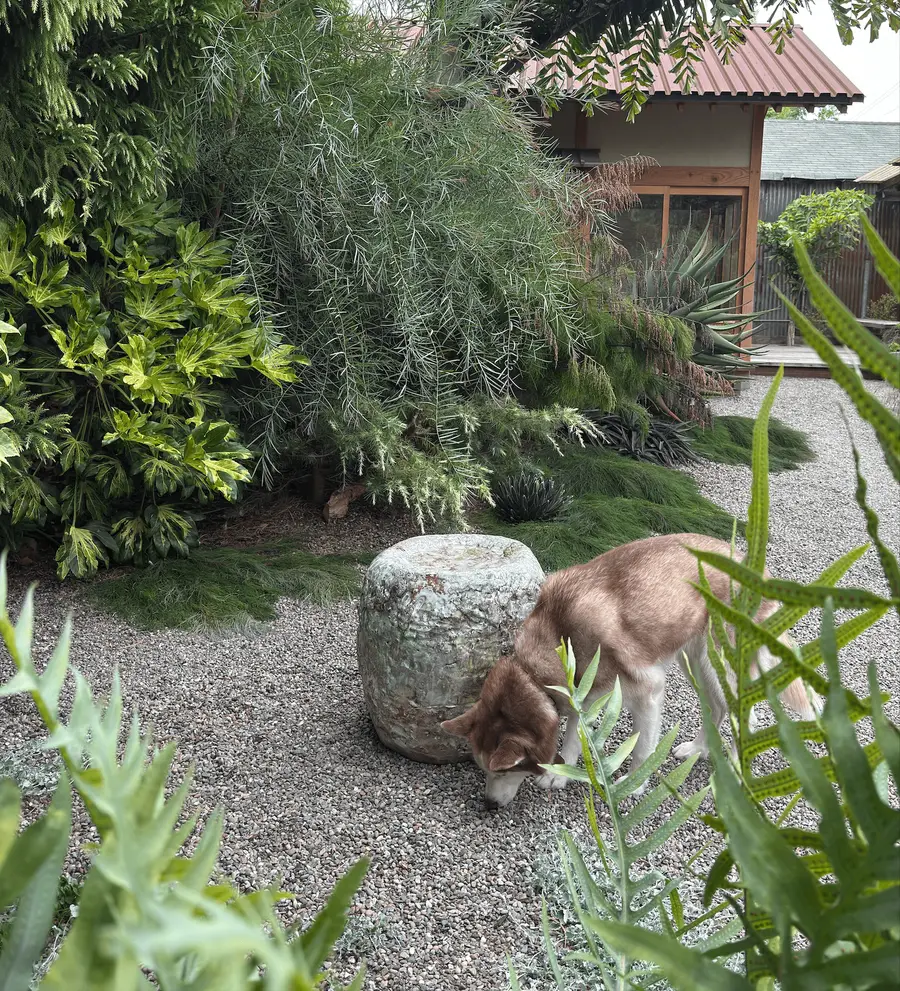 Garden storyFlora Grubb’s New Home GardenAbout twelve years ago, Flora Grubb, co-owner and co-founder of Flora Grubb Gardens, moved and began working on a new garden. No garden is ever finished, but Flora decided this garden is ready to share with you.
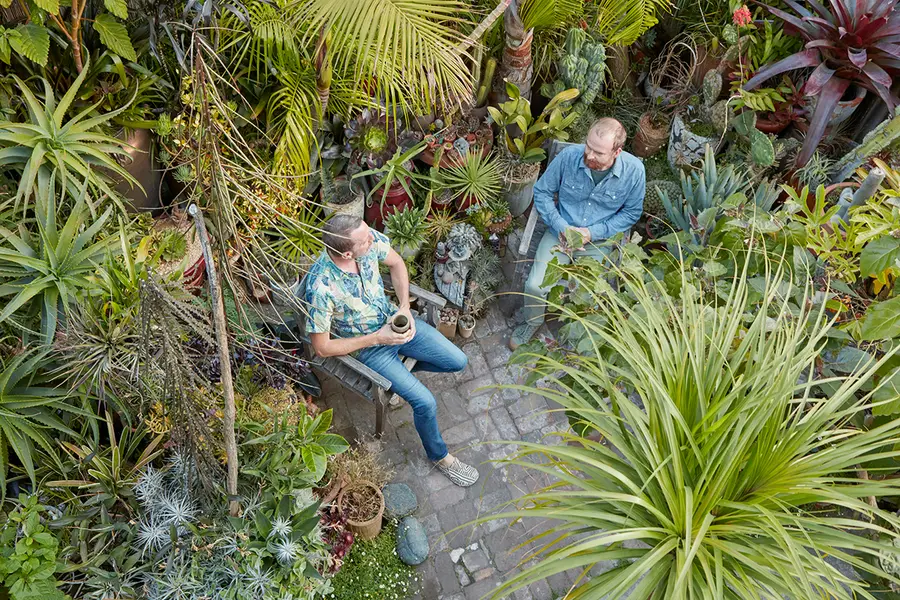 Garden storyInspiration from Clarke de Mornay's Patio GardenIf you’ve spent any time at Flora Grubb Gardens in SF, you’ve most likely experienced the warmth, plant genius, and general fabulousness of our beloved Clarke de Mornay. Now take a peek into Clarke’s own gorgeously detailed and eclectic home garden, a paradise for plant collectors!
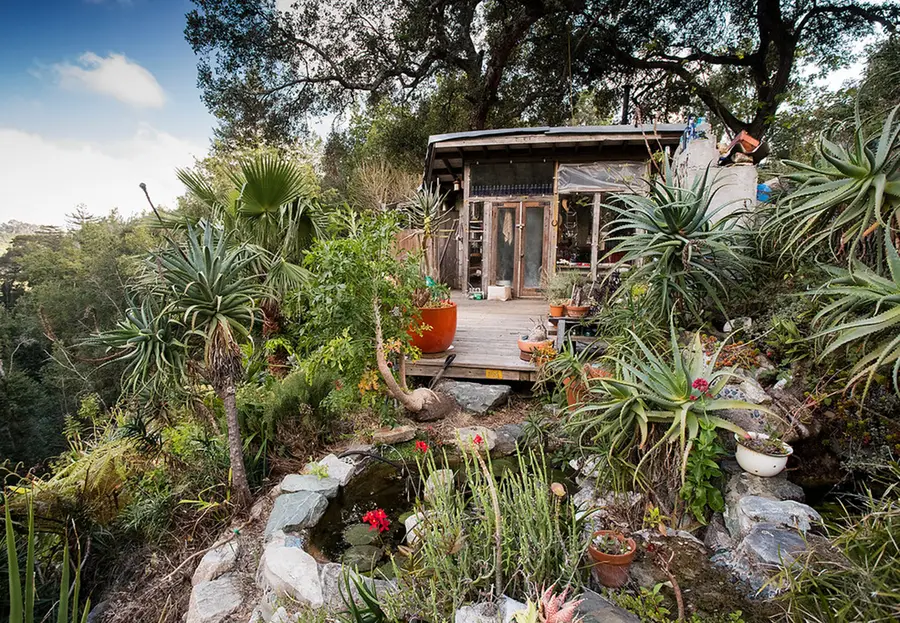 Garden storyGrow Aloes in California : An Aloe Manifesto by Tyson CurtisMy name is Tyson, and I’ve traveled the world in search of rare and elusive aloes and literally worshipped at their feet. This is my manifesto on why aloes are misunderstood, which I believe begins with the ubiquitousness of Aloe vera. Let’s shatter the preconception that all aloes somehow fall into this single category and come to truly appreciate the versatility of the genus Aloe.
Links
Which store do you shop at?
The above information reflects the observations of Grubb and Nadler and our extended plant community. We always consider input from fellow horticulturists and welcome feedback from those with additional information on the culture of this plant.
© 2020–2026 Grubb and Nadler. All rights reserved.