
Aloe gariepensis
Gariep River Aloe
White spotted leaves turn crimson with summer stress and have sharp marginal spines. Short trunked and seldom suckering. Upright yellow to orange flower in winter.
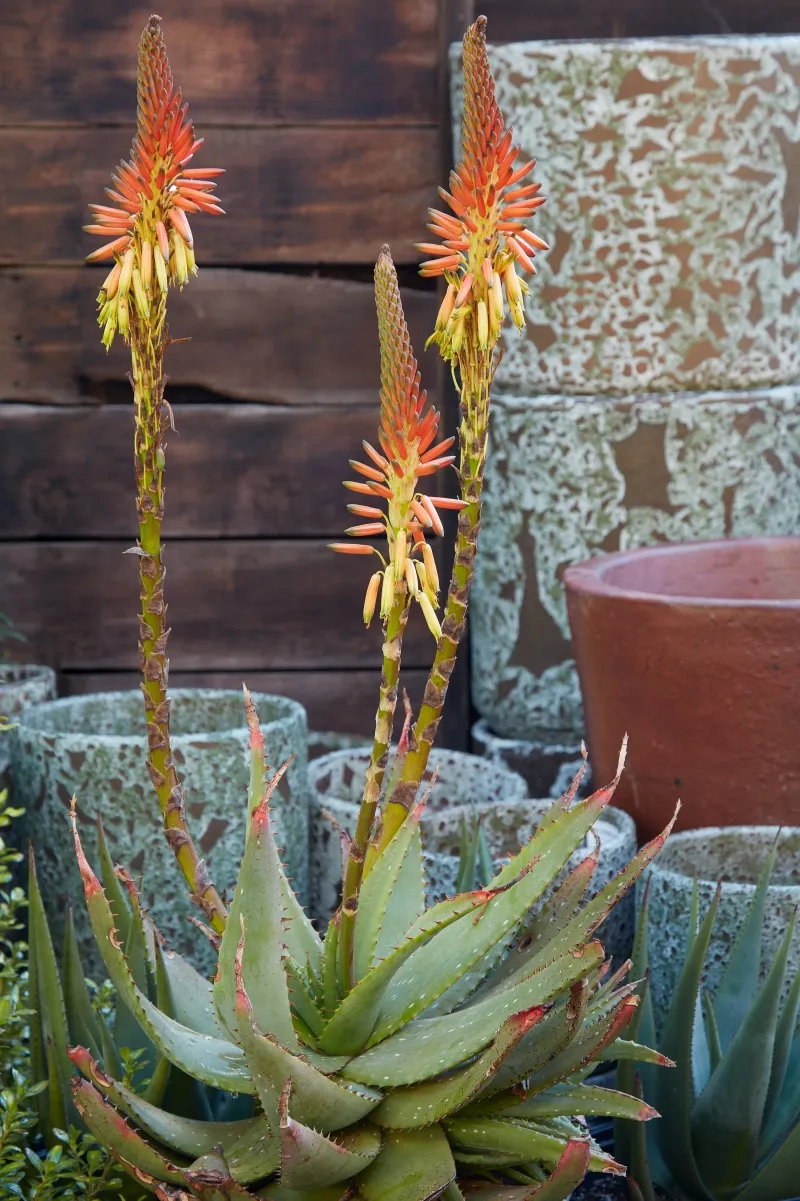
 Mature size | 2–3ft tall 1–3ft wide |
|---|---|
 Exposure | Part Shade – Full Sun |
 Hardy to | 22°F |
 Sunset zones | 12–16, 18–24 |
 Water needs | Low Aloes thrive on neglect, making them one of the easiest garden plants for California. They are drought-tolerant, and most will not need additional water once established in your garden. Most aloes will be plump with many bright vibrant blue or green leaves during their growth season. It's natural for these same plants to show stress during their dry season, often turning shades of red, orange or brown, giving added seasonal interest to the succulent garden. During this time the leaves will curl in on themselves, and often shrivel up and shed from the base. If you prefer a lush look, watering once dry will keep them plump. Avoid overhead watering in the crown; when water collects there, it may lead to crown rot. |
 Tolerates | Drought, Deer, Gophers, Heat, Pots, Rooftops, Neglect, Wind |
 Plant traits | Armed, Flowering, Humming Birds, Rock Garden, Rosette, Sculptural, Solitary, Succulent |
 Drainage | In Ground: Cactus Mix, In Pots: Cactus Mix, Tolerates Sandy Soil |
 Fertilizing | All Purpose 1/2 Strength, Low Needs |
 Origin | Namibia |
Growing Notes
This aloe will retain the dried lower leaves to create an armed 'beard' or 'skirt' that helps defend the plant from predation. If you prefer, this beard may be removed by briskly rubbing off the old leaves. This is an aesthetic consideration that won't affect the plant either way. Leaving the dead lower leaves from the beginning can create a picturesque natural look.
Once the flower stalks are completely bloomed out and dry, they will come out with a light tug, or can be pruned off low in the crown.
Special Interest
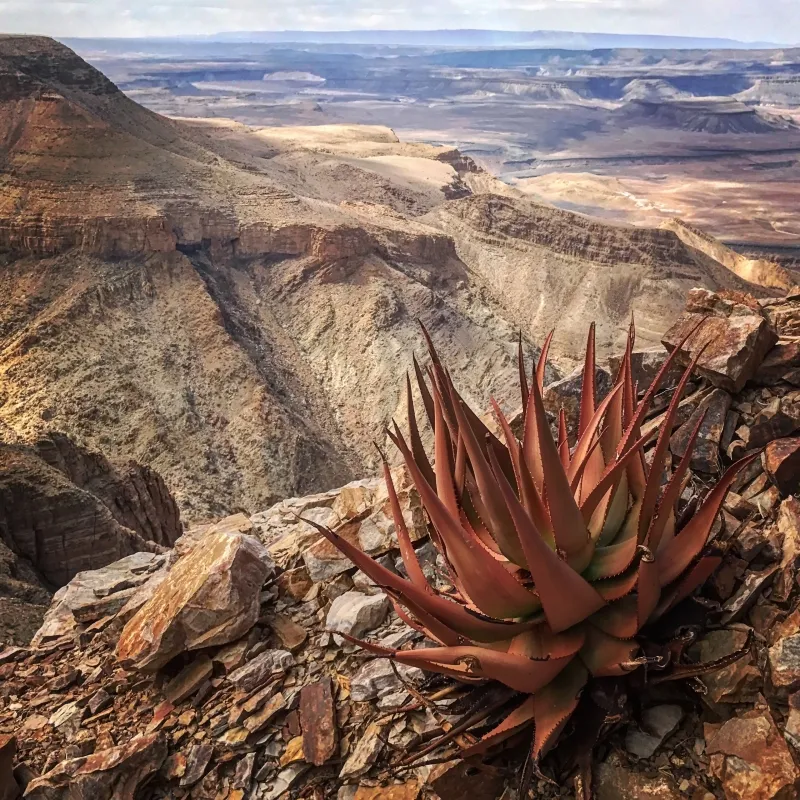
Grows in the Fish River Canyon, the largest canyon in Africa that is often called the 'Grand Canyon of Africa'.
Hummingbirds love aloes, many of which are pollinated by birds in their native habitat.
This aloe is easily propagated from stem cuttings. Just let them dry for a week and then plant in well-drained soil.
Stories featuring this plant
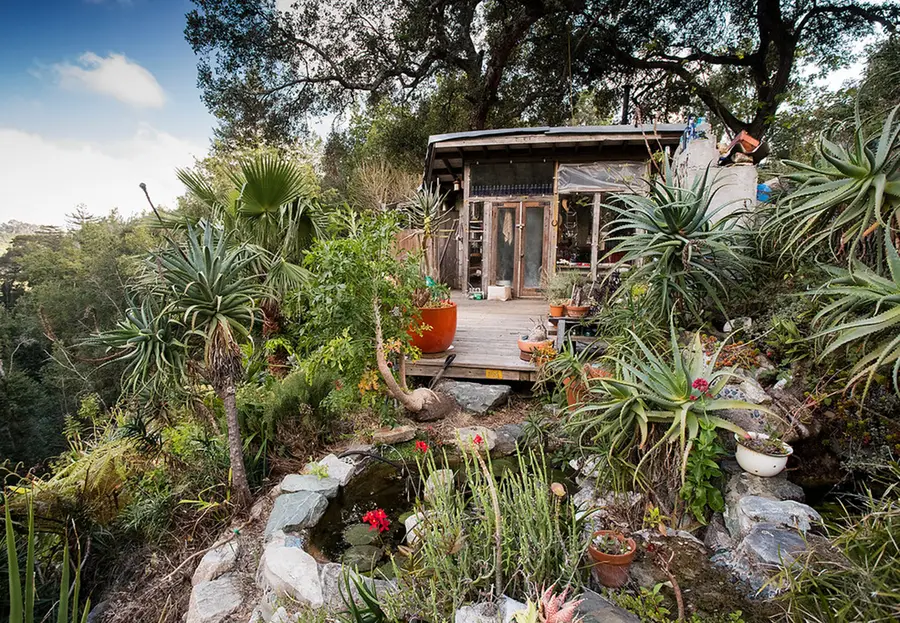 Garden storyGrow Aloes in California : An Aloe Manifesto by Tyson CurtisMy name is Tyson, and I’ve traveled the world in search of rare and elusive aloes and literally worshipped at their feet. This is my manifesto on why aloes are misunderstood, which I believe begins with the ubiquitousness of Aloe vera. Let’s shatter the preconception that all aloes somehow fall into this single category and come to truly appreciate the versatility of the genus Aloe.
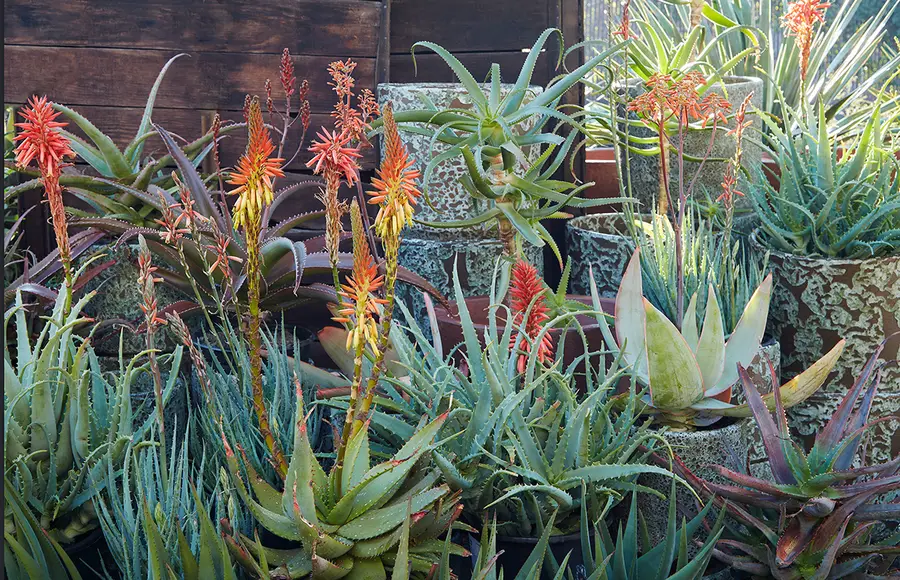 Garden storyAloes Are Magic! 8 Reasons We're ObsessedSpring is here (at last!) and we know you're dying to get into your garden, so how about indulging our latest plant obsession: The magical, multi-talented ALOE. Here are eight reasons you should be obsessed with aloes, too.
More Info
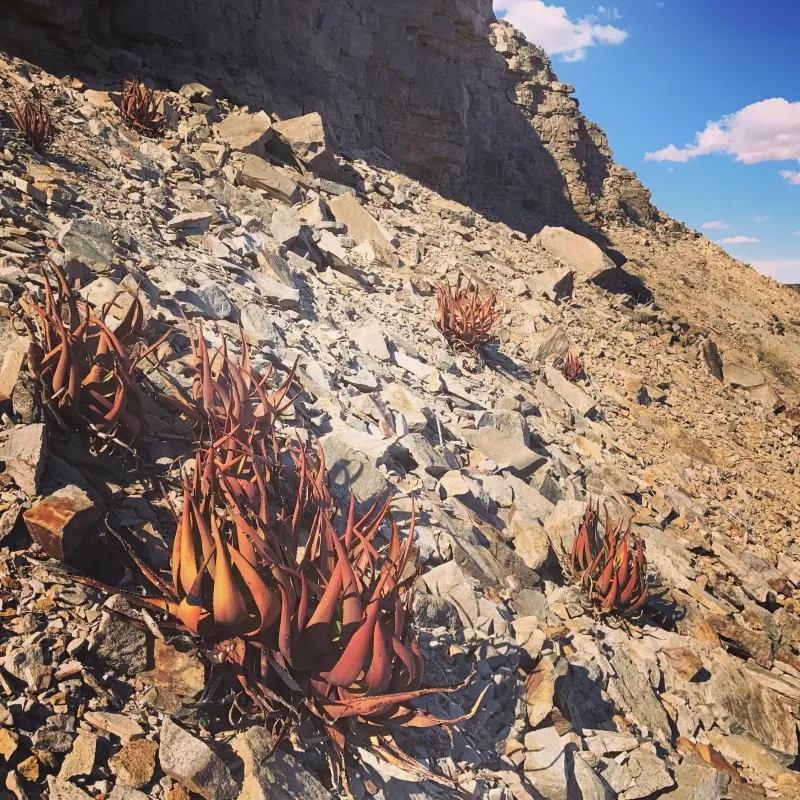
The amazing photos of this plant in habitat were taken by our staff member Tyson Curtis on his visit to the Fish River Canyon in Namibia. It shows the wonderful red drought stress this plant displays in full summer sun and also how it appreciates sharp drainage.
Links
What we've learned from growing this plant ourselves and in our customers' gardens. We always love to hear more. Tell us
© 2020–2026 Grubb and Nadler. All rights reserved.