
Aloe ‘Hercules’
Tree Aloe
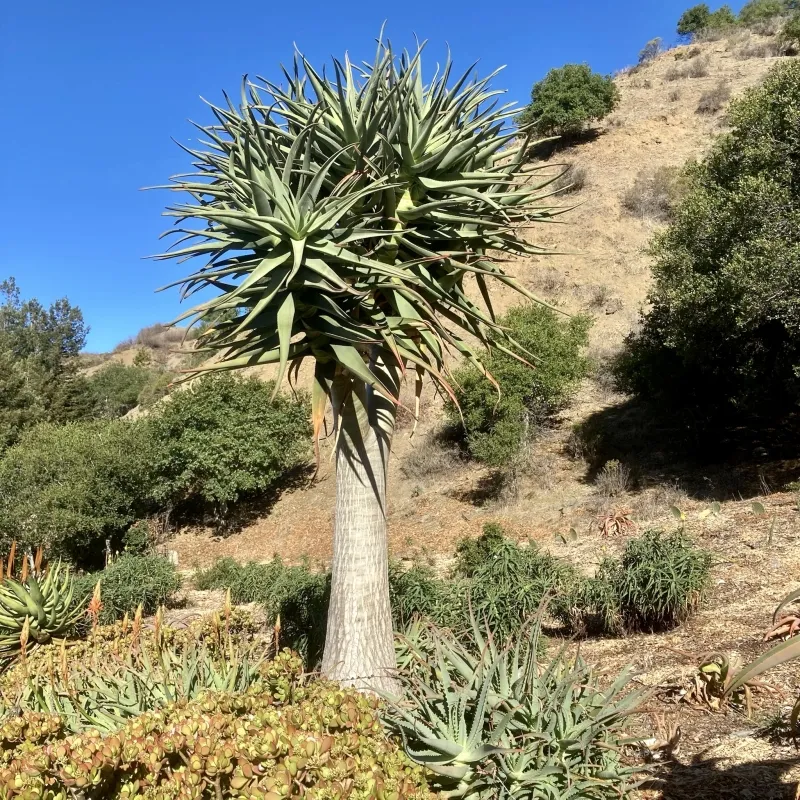
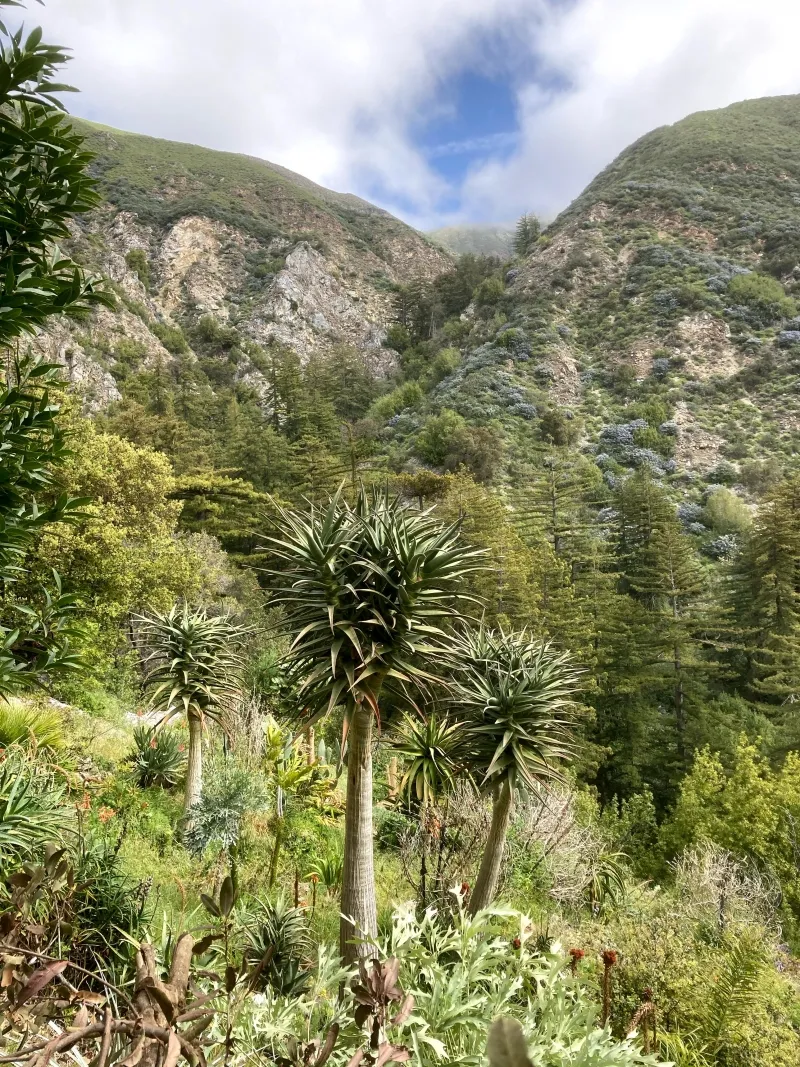
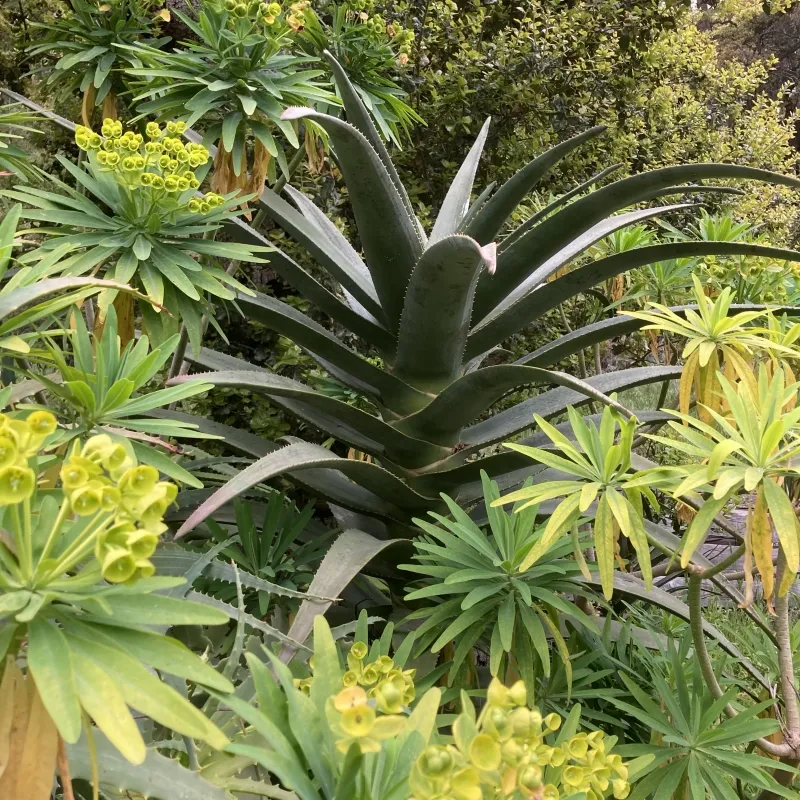
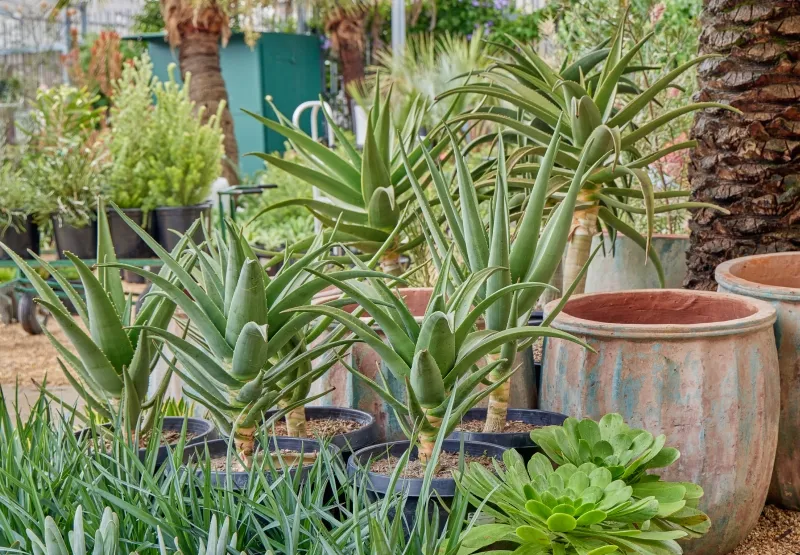
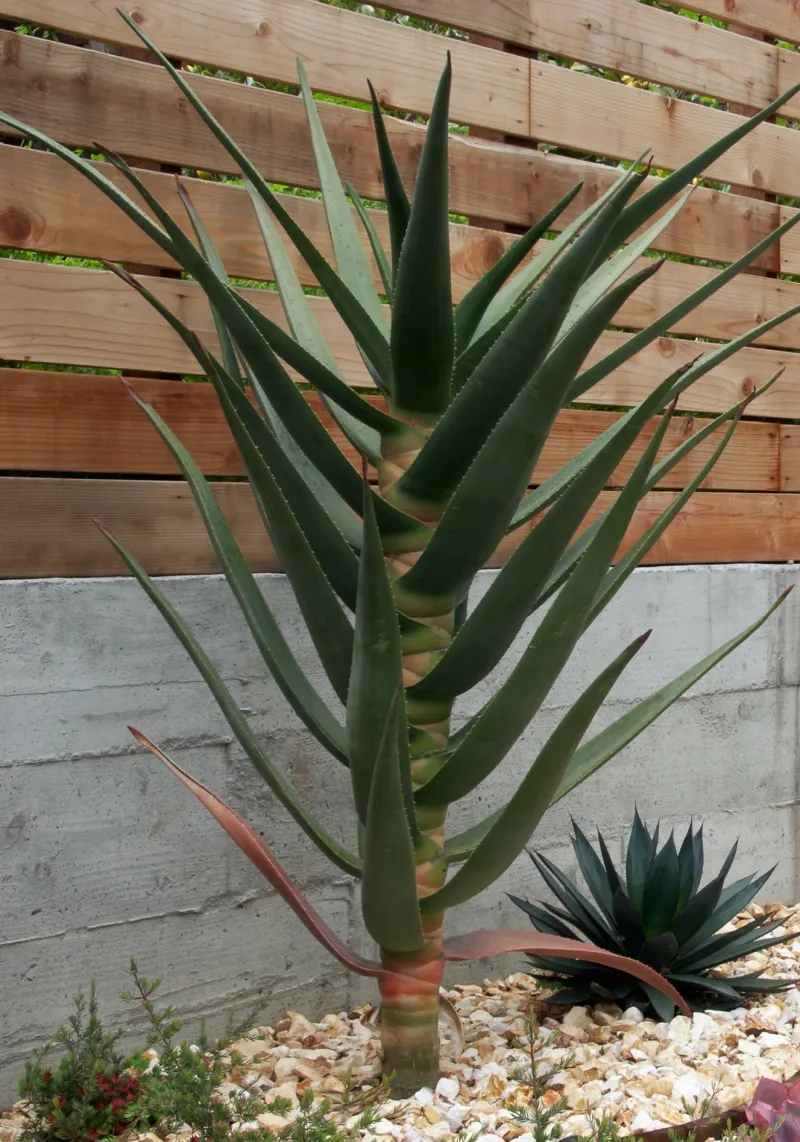
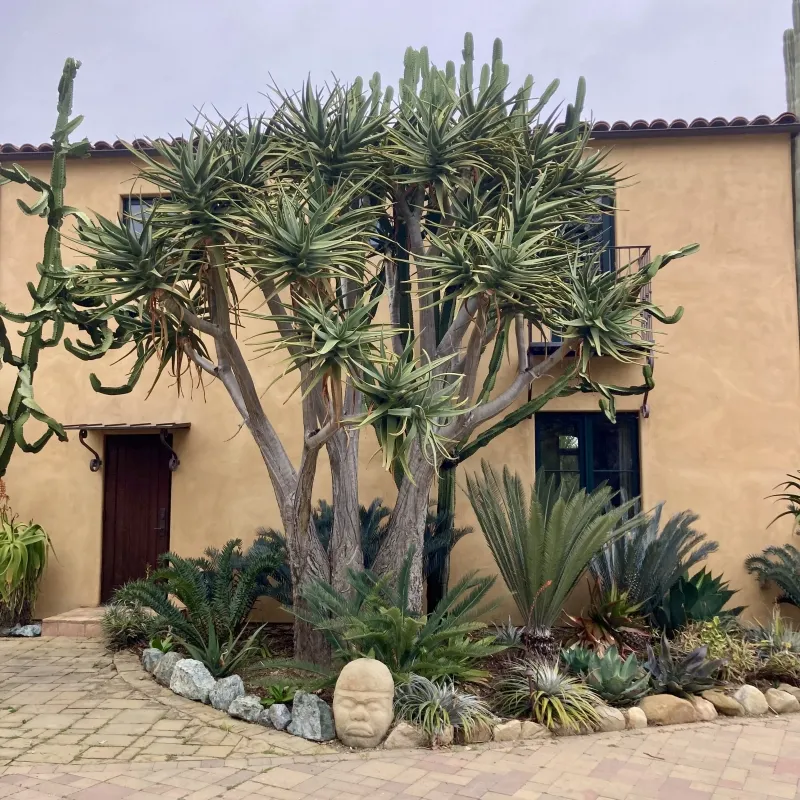
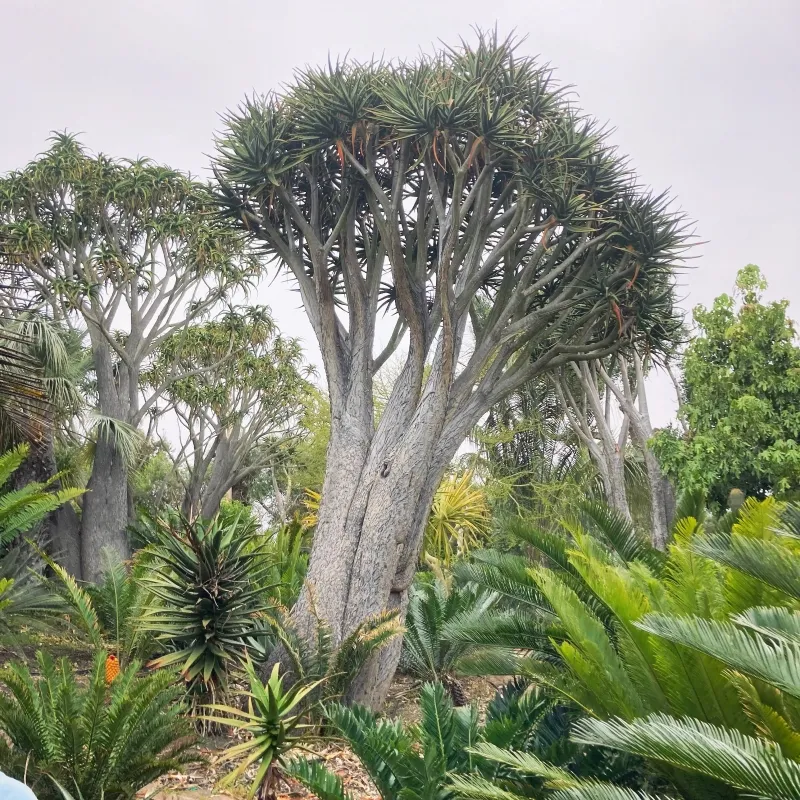
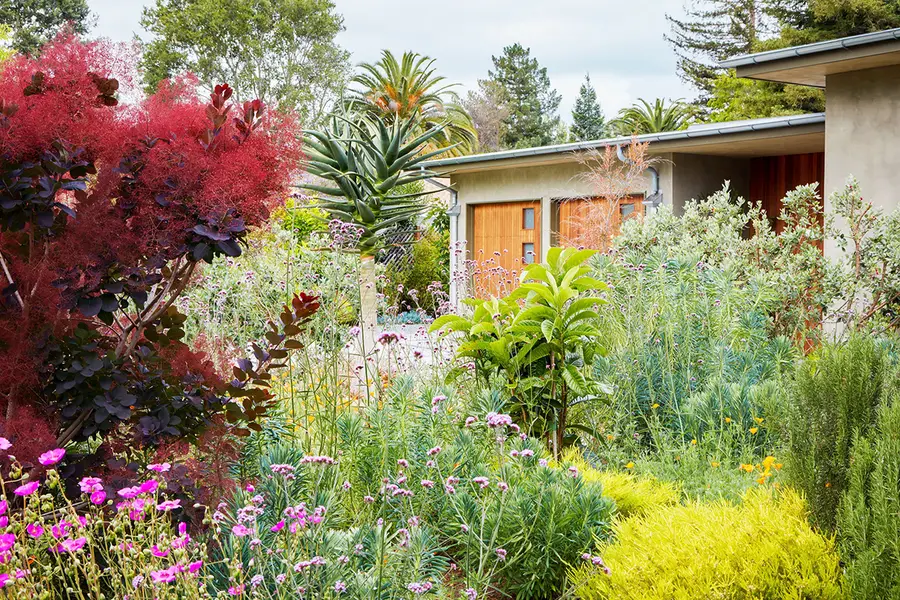
Hybrid aloe becomes chunky branched tree that will be the centerpiece of any garden. Attractive trunk texture with age. Salmon summer flower clusters. Vigorous and very fast growing.
 Height | 20–30ft |
|---|---|
 Width | 15–20ft |
 Tolerates | Drought, Heat, Wind |
 Water needs | Lowest |
Aloes thrive on neglect, making them one of the easiest garden plants for California. They are drought-tolerant, and this one will not need additional water once established in your garden. Hercules also tends to show very little summer stress, even when quite dry. | |
 Hardy to | 22°F |
 Exposure | Part Shade – Full Sun |
 Plant traits | Flowering, Humming Birds, Sculptural, Solitary, Succulent, Tree, Trunking |
 Indoor / outdoor | Outdoor |
 Drainage | In Ground: Cactus Mix, In Pots: Cactus Mix, Tolerates Sandy Soil |
 Fertilizing | All Purpose 1/2 Strength, Low Needs |
 Origin | Hybrid, South Africa |
 Sunset zones | 13–24 |
Growing Notes
Extremely fast growing, putting on a foot or more of growth under ideal conditions. Lower leaves shed cleanly, exposing a smooth trunk that develops attractive vertical scales with age.
Occasionally gets aphids in the crown, especially if it's overwatered or over fertilized; treatment with an insecticidal soap is usually sufficient in dressing them.
Pruning Aloe Hercules will expose the punky inner structure and wounds are slow to heal.
Difficult, but not impossible to root. Let a cutting sit for three weeks to a month in a bright but indirect sun area. Plant in pure pumice or other drainage and water every two weeks until the cutting is well rooted. Then plant in cactus mix.
Special Interest
Aloe dichotoma x Aloe barbarae
Hummingbirds love aloes, many of which are pollinated by birds in their native habitat.
Stories featuring this plant
More Info
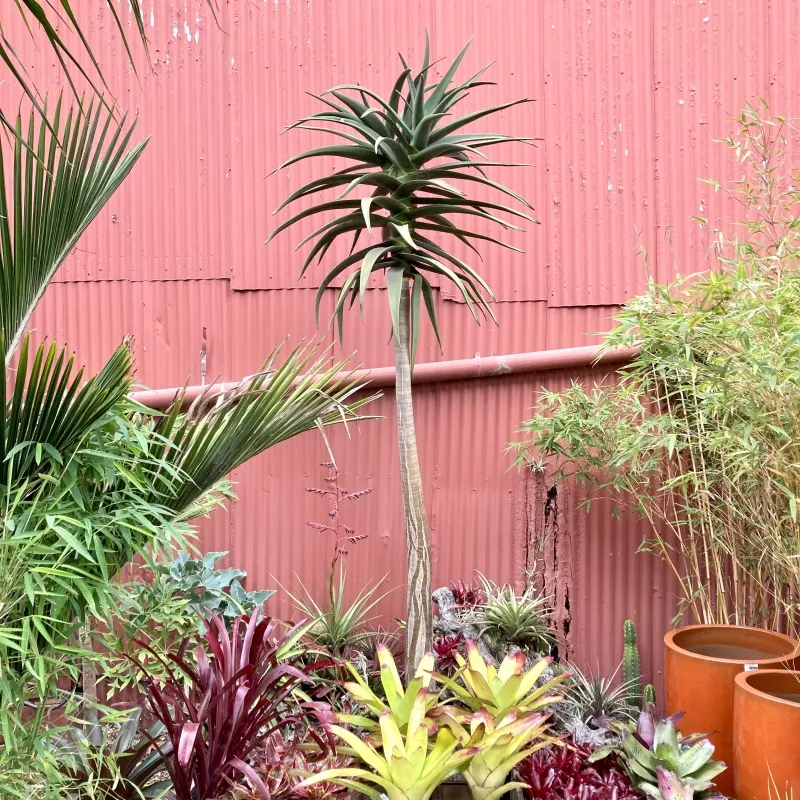
Come see the lovely Hercules we have growing at our SF store (pictured here against the red wall) next time you are in town!
Links
Which store do you shop at?
The above information reflects the observations of Grubb and Nadler and our extended plant community. We always consider input from fellow horticulturists and welcome feedback from those with additional information on the culture of this plant.
© 2020–2026 Grubb and Nadler. All rights reserved.