
Aloe plicatilis
fan aloe
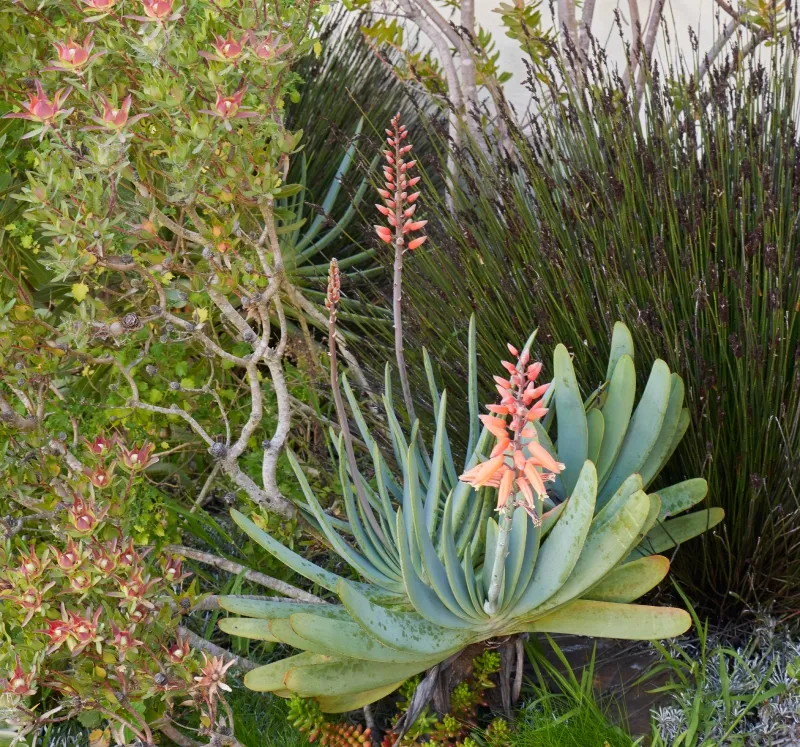
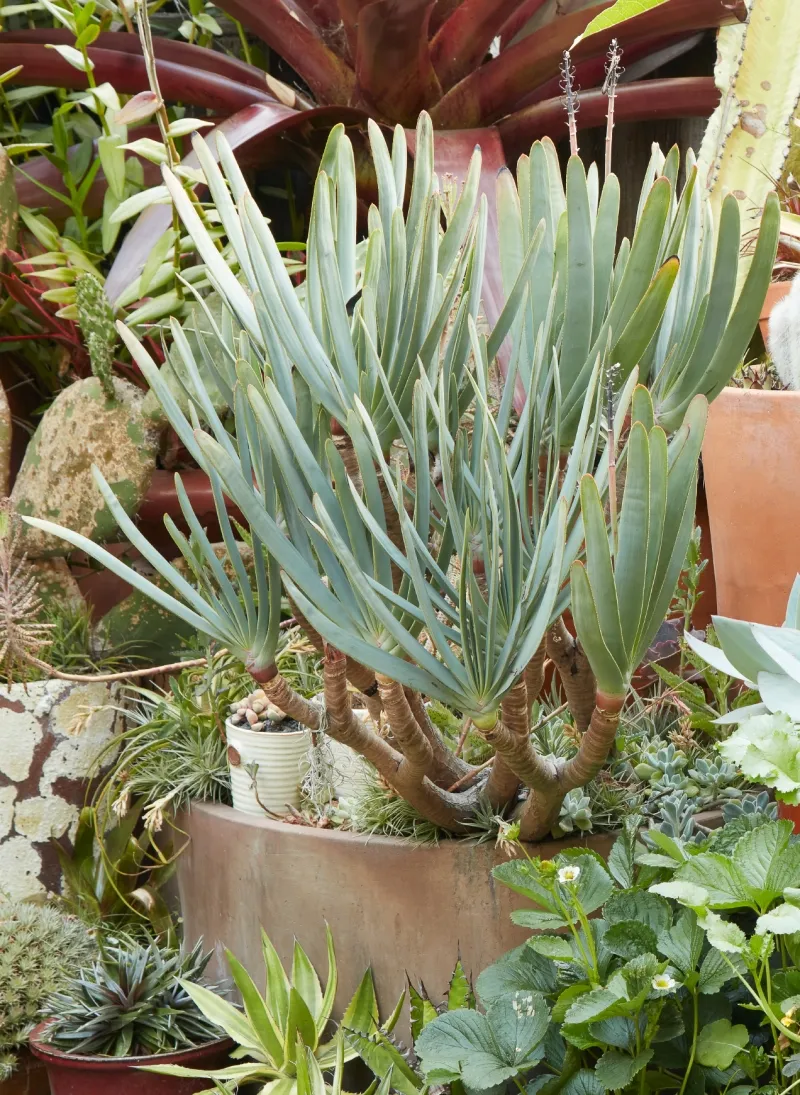
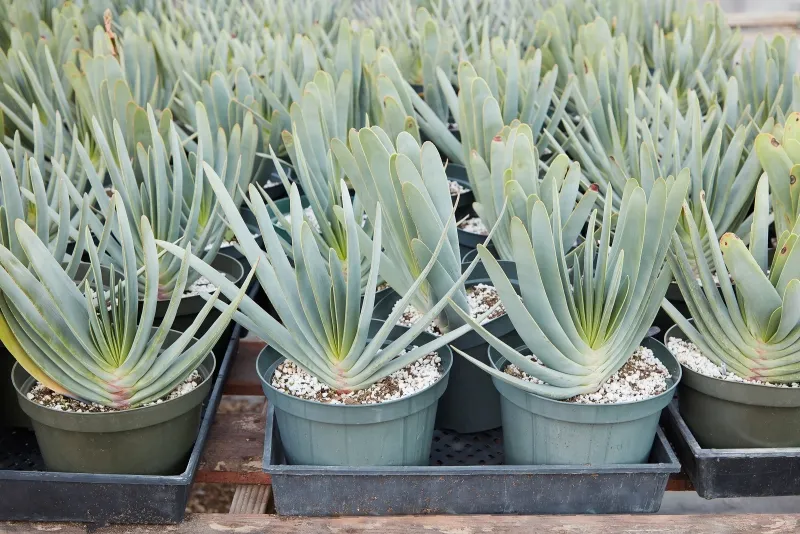
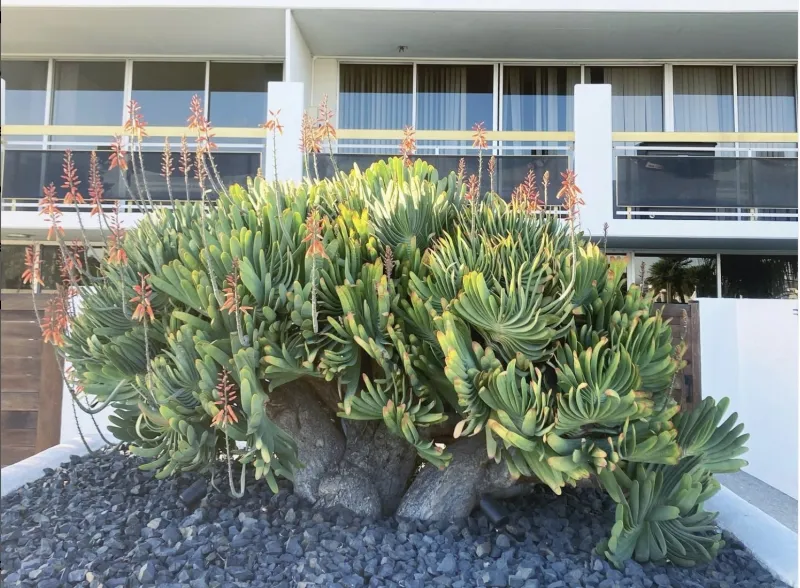
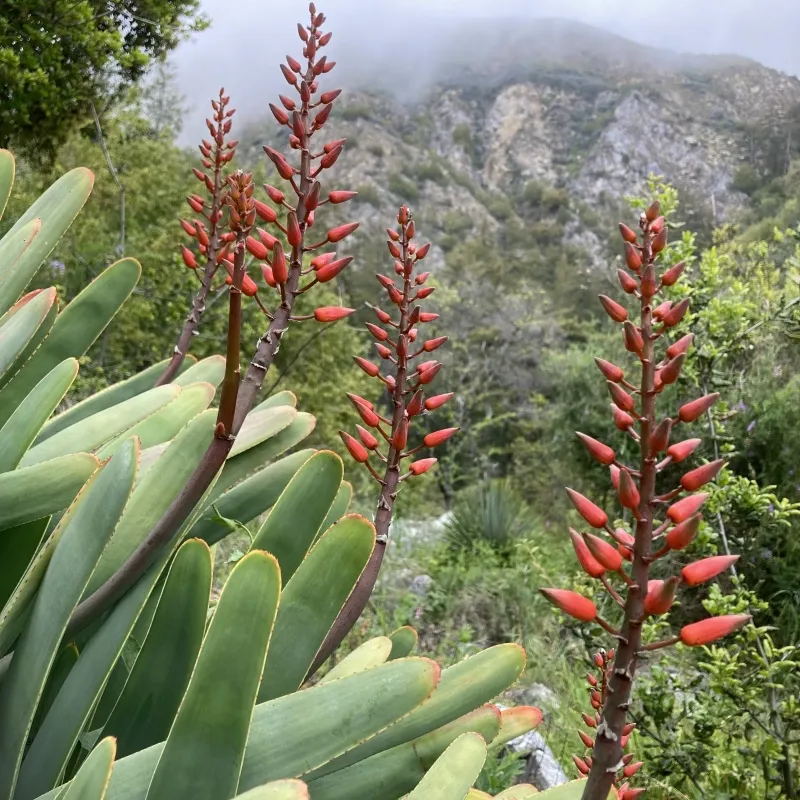
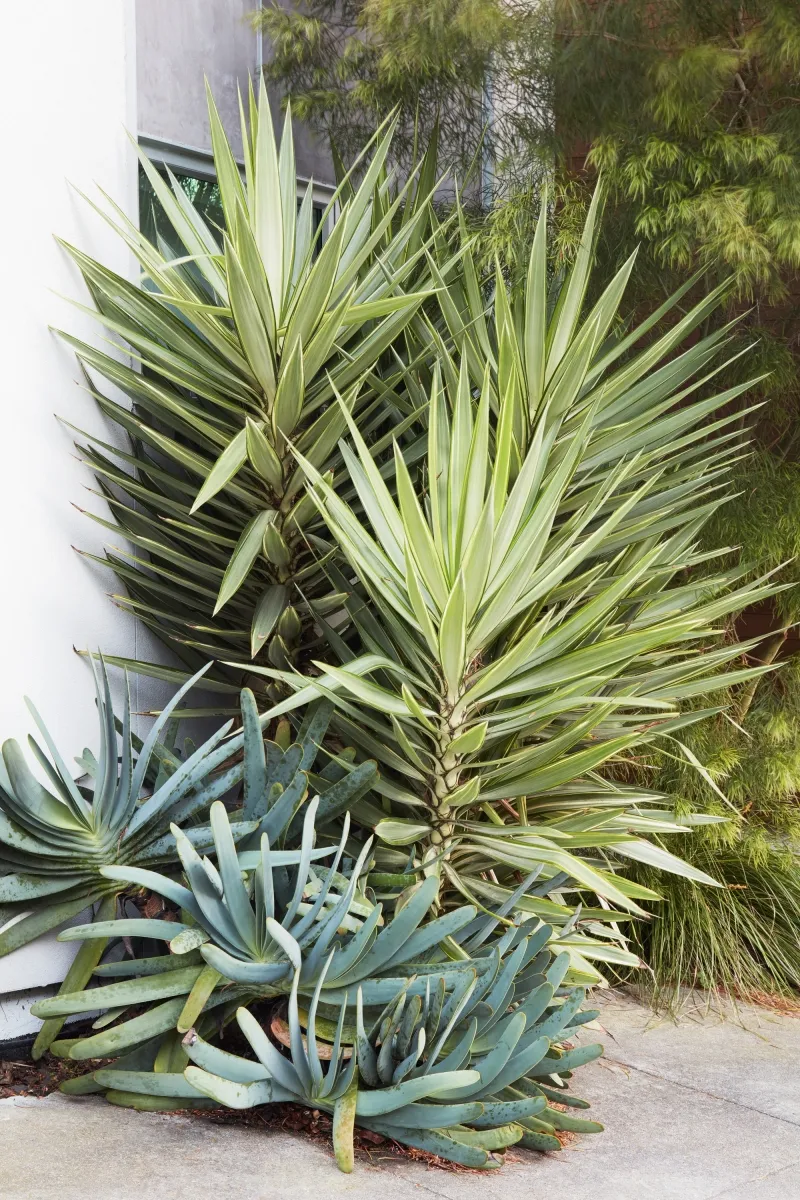
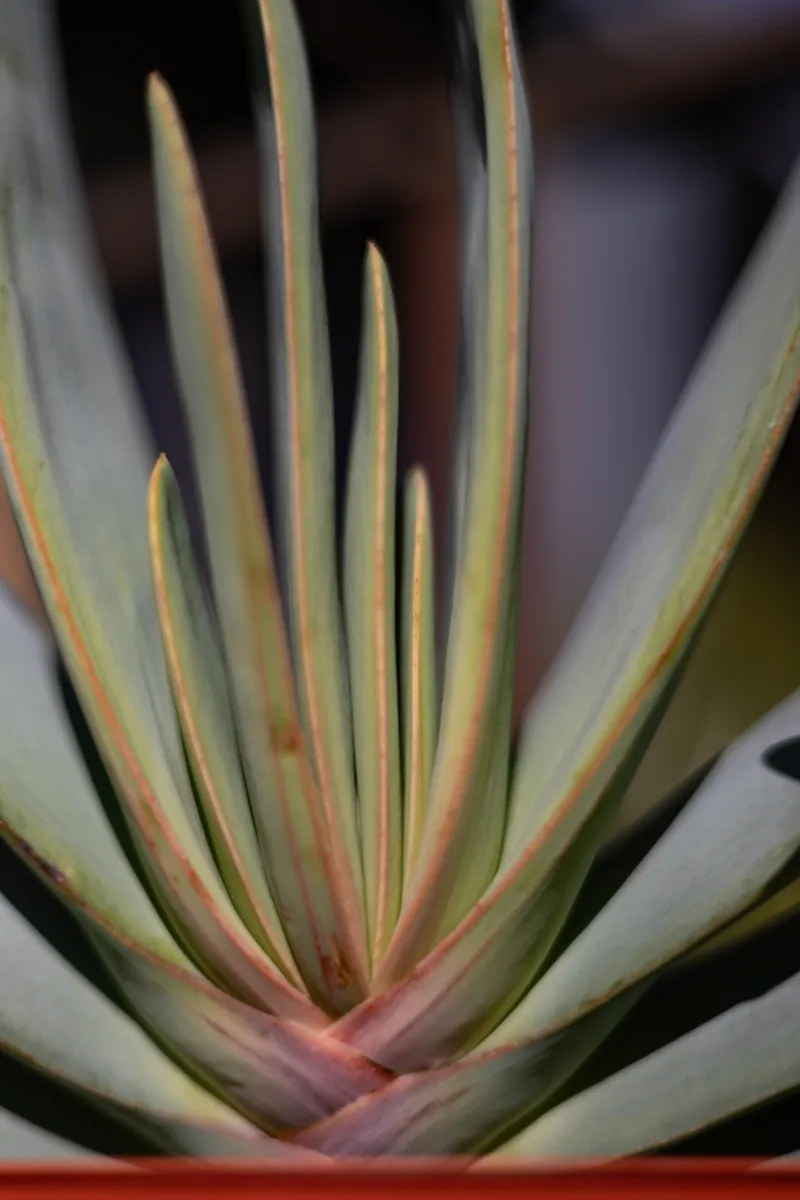
Fan aloe. Branching shrub with unusual flat succulent leaves and showy winter blooms. A living sculpture and focal point in any garden.
 Synonyms | Kumara plicatilis |
|---|---|
 Height | 2–5ft |
 Width | 3–6ft |
 Tolerates | Coast, Cool Summers, Drought, Gophers, Pots, Rooftops, Wind |
 Water needs | Low |
Aloes thrive on neglect, making them one of the easiest garden plants for California. They are drought-tolerant, and this one will not need additional water once established in the coastal garden. The fan aloe sheds lower leaves with excessive drought leaving a sparse crown. A fan aloe that is not shedding its leaves is likely overwatered, and risking root rot. Black crispy tips of the leaves can be a sign of over OR under watering so be sure to check the soil if the leaves are getting crispy, though this plant is forgiving of overwatering if drainage is sharp. | |
 Hardy to | 25°F |
 Exposure | Part Sun – Full Sun |
 Plant traits | Flowering, Humming Birds, Sculptural, Shrub, Solitary, Succulent, Trunking |
 Indoor / outdoor | Outdoor |
 Drainage | In Ground: Cactus Mix, In Pots: Cactus Mix, Tolerates Sandy Soil |
 Fertilizing | All Purpose 1/2 Strength, Low Needs |
 Origin | SW South Africa |
 California native | No |
 Sunset zones | 16, 17, 21–24 |
Growing Notes
Once the flower stalks are completely bloomed out and dry, they will come out with a light tug, or can be pruned off low in the crown.
Lower leaves shed on their own, leaving a clean smooth trunk, that will become thick and textured over time. If lower black leaves are clinging to the trunk they are easily rubbed off.
Pruning Aloe plicatilis will expose the punky inner structure and wounds are slow to heal.
Difficult, but not impossible to root. Let a cutting sit for three weeks to a month in a bright but indirect sun area. Plant in pure pumice or other drainage and water every two weeks until the cutting is well rooted. Then plant in cactus mix. Older thick cuttings tend to fail more often than the fresh smooth branches.
Excellent choice for big pots where they thrive long term.
Special Interest
Naturally grows into an impressive bonsai like plant over time.
Stories featuring this plant
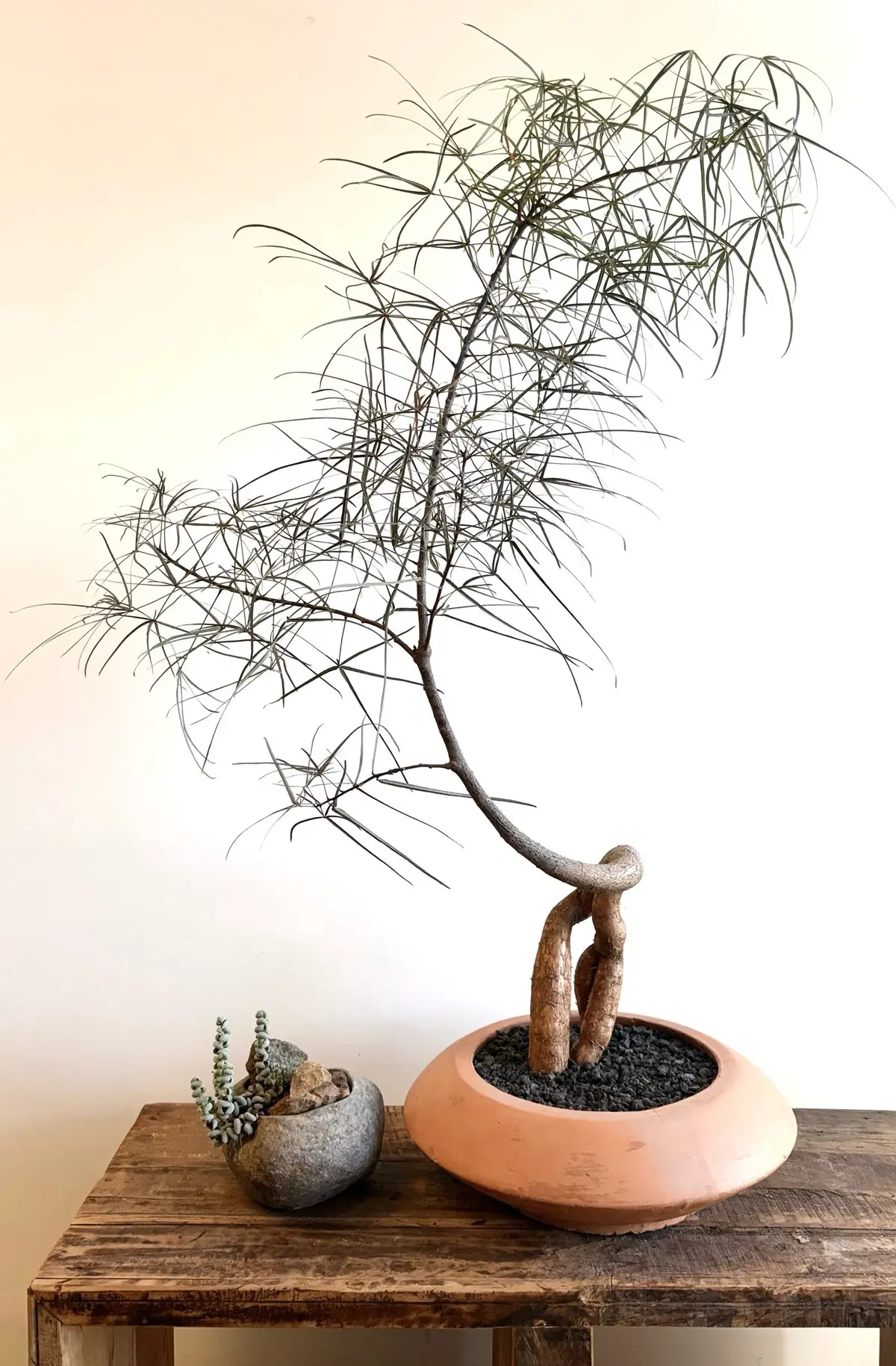 Garden storyExotic Choices for Your Bright Dry Indoor GardenOur nurseries are packed with rare treasures for your bright, low-water indoor garden. Grown on our own farms down in the Rainbow Valley, these special plants are hard to find in nurseries, and we're so excited to send them home with you!
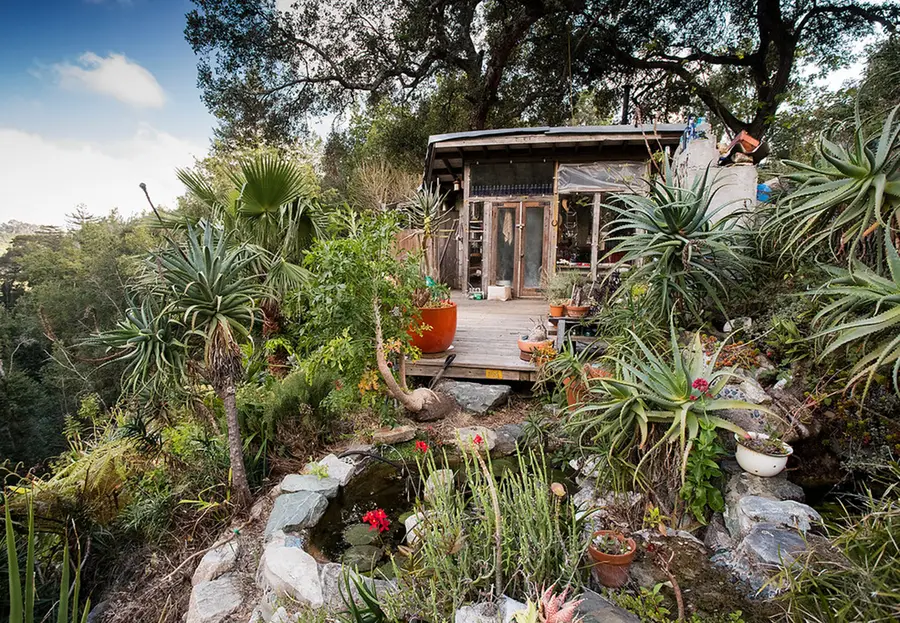 Garden storyGrow Aloes in California : An Aloe Manifesto by Tyson CurtisMy name is Tyson, and I’ve traveled the world in search of rare and elusive aloes and literally worshipped at their feet. This is my manifesto on why aloes are misunderstood, which I believe begins with the ubiquitousness of Aloe vera. Let’s shatter the preconception that all aloes somehow fall into this single category and come to truly appreciate the versatility of the genus Aloe.
Links
Which store do you shop at?
The above information reflects the observations of Grubb and Nadler and our extended plant community. We always consider input from fellow horticulturists and welcome feedback from those with additional information on the culture of this plant.
© 2020–2026 Grubb and Nadler. All rights reserved.