
Beaucarnea recurvata
ponytail palm
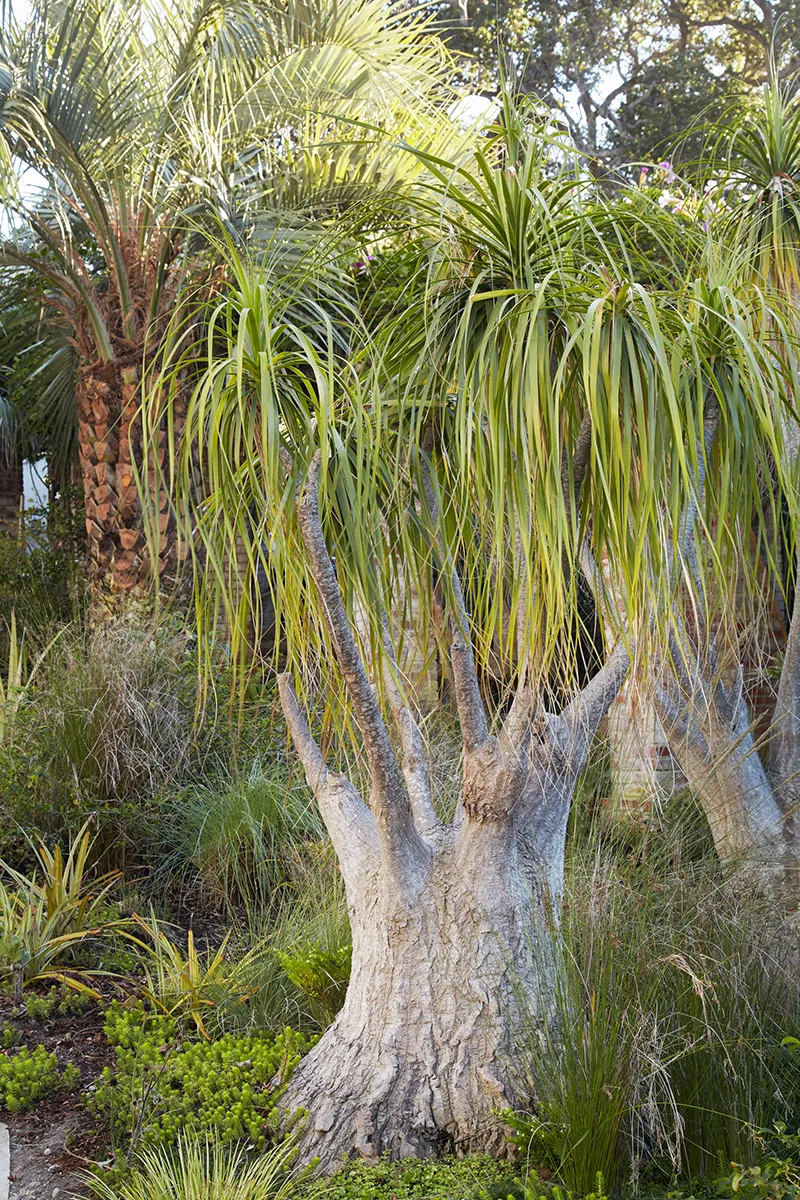
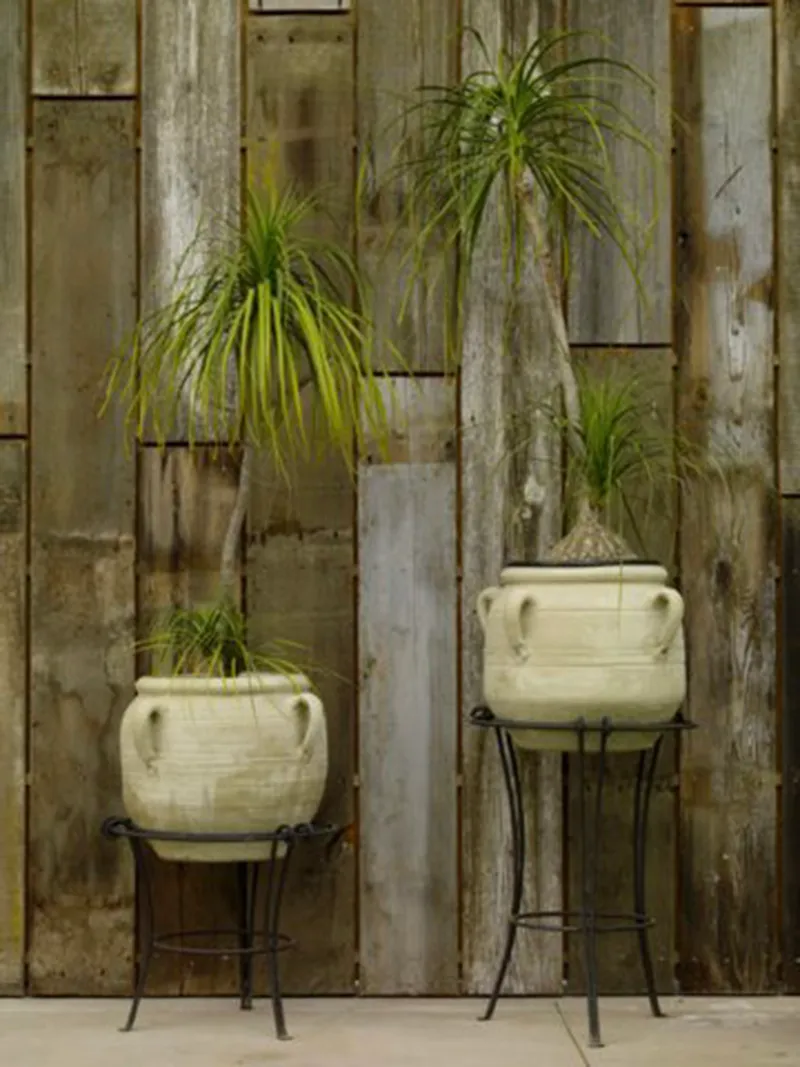
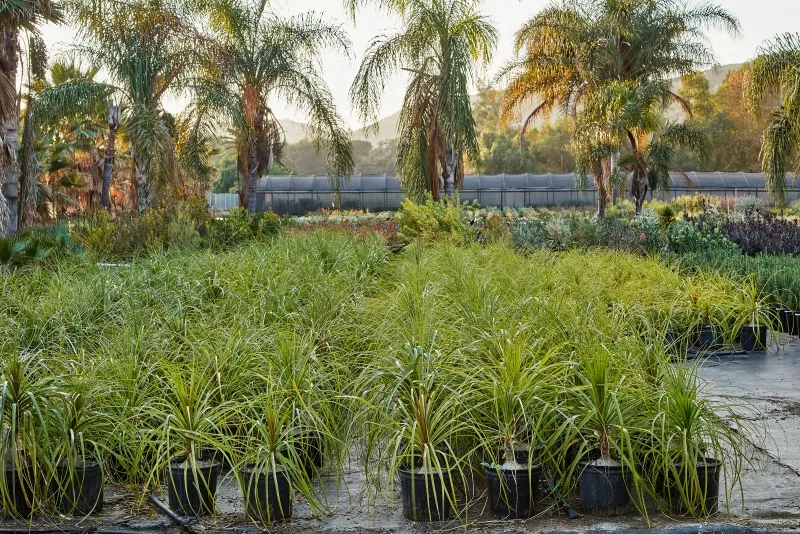
Ponytail palm. Bulbous caudex (trunk) topped with thin branches and grassy leaves. Great in containers, too. Quite slow in fog belt.

 Altura Altura | 12–20 pies |
|---|---|
 Ancho Ancho | 6–10 pies |
 Tolera Tolera | Sequía |
 Riego Riego | Bajo |
Water this plant infrequently, when the top two inches or so of soil feel dry. Usually this will mean every week or two in dry weather. If you establish this pattern over several years, then you can cut back to watering every four to six weeks in dry weather. Use a slow stream of water so that it doesn't run off; allow the water to trickle all the way down through the deepest layers of soil. This plant will look more lush if given water every two to four weeks during dry weather once established. In a pot slowly water the entire surface until water comes out of the bottom of your pot. If the crown of leaves gets smaller, and smaller, and smaller... you are probably under watering. | |
 Resiste hasta Resiste hasta | 30 °F |
 Exposición Exposición | Sombra total – Pleno sol |
 Características Características | Caudiciforme, Tipo pasto, Escultural, Árbol, Forma tronco |
 Interior / exterior Interior / exterior | Exterior |
 Drenaje Drenaje | En el suelo: mezcla para cactus, En maceta: mezcla para cactus, Tolera suelo arenoso |
 Fertilización Fertilización | Uso general, Necesita poco |
 Origen Origen | Este de México |
 Zonas Sunset Zonas Sunset | 13, 16–24 |
Notas de cultivo
When old lower leaves get tippy they can be tugged off to expose a smooth trunk.
If the branches of this plant are cut back hard it's about 50:50 wether or not they will regrow or not. When they do it's with many new heads. This is a way that growers get those fat, low, bushy specimens.
If planted on a tilt the trunk will grow upright, creating a bend in it.
Interés especial
This plant is not an actual palm, but the common name comes from its similar (is it really?) appearance.
Each plant is male or female, with males having a reddish pink flower and females having a creamy white flower. Flowers are exceedingly rare in cooler climates, but do occasion pop off when a heat spell comes through.
We have heard this is one of the trees growing where Dr. Seuss grew up, surely inspiring his whimsical plant characters.
Esta información refleja las observaciones de Grubb and Nadler y de nuestra comunidad de amantes de las plantas. Siempre tomamos en cuenta las aportaciones de otros horticultores y agradecemos los comentarios de quienes tengan más información sobre el cultivo de esta planta.
© 2020–2026 Grubb and Nadler. Todos los derechos reservados.