
Beschorneria albiflora
trunking beschorneria
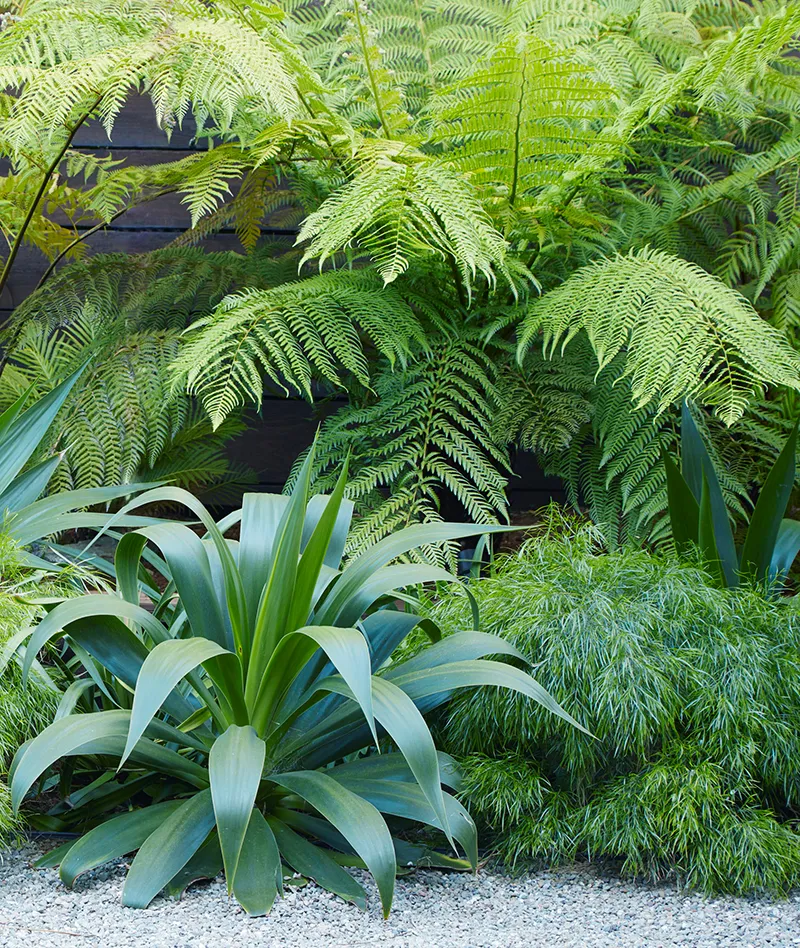
Soft, bright-green rosettes cast long showy pink flowerstalks annually when mature. Develops wandering trunks and offsets over time.
 Altura Altura | 1–5 pies |
|---|---|
 Ancho Ancho | 3–6 pies |
 Tolera Tolera | Neblina, Macetas, Viento |
 Riego Riego | Bajo – Moderado |
Beschornerias are drought-tolerant, but they'll need additional summer irrigation to thrive, especially if placed in a sunny spot. | |
 Resiste hasta Resiste hasta | 15 °F |
 Exposición Exposición | Sombra parcial – Pleno sol |
 Características Características | Con flores, Colibríes, Suculenta, Forma tronco |
 Interior / exterior Interior / exterior | Exterior |
 Drenaje Drenaje | En el suelo: mezcla para cactus, En maceta: mezcla para cactus, Tolera suelo arenoso |
 Fertilización Fertilización | Uso general |
 Origen Origen | México |
 Zonas Sunset Zonas Sunset | 8, 9, 14–24 |
Notas de cultivo
Beschornerias, with their lovely unarmed leaves, are a wonderful soft element in a tropical or cloud forest garden.
Beschornerias can grow in some shade, but will need sharp drainage. They don't like wet soil and roots during dark winters. Alternatively, if you are in a hot inland garden, the plant will appreciate some shade.
Suckers are easily removed and rooted, often growing roots before they are even taken off.
Trunks look best when older leaves are removed, though they tend to persist.
Interés especial
Beschornerias bloom in early summer with tall, colorful red-to-pink branched flower spikes composed of many dangling flowers that are much sought after by hummingbirds. Pink flowers are sometimes tinted green or yellow, adding interest. Once the flower spike has dried up it can be removed, encouraging branching or pups on pupping varieties.
Be sure to give it additional food and water after blooming to help it recover.
Esta información refleja las observaciones de Grubb and Nadler y de nuestra comunidad de amantes de las plantas. Siempre tomamos en cuenta las aportaciones de otros horticultores y agradecemos los comentarios de quienes tengan más información sobre el cultivo de esta planta.
© 2020–2026 Grubb and Nadler. Todos los derechos reservados.