
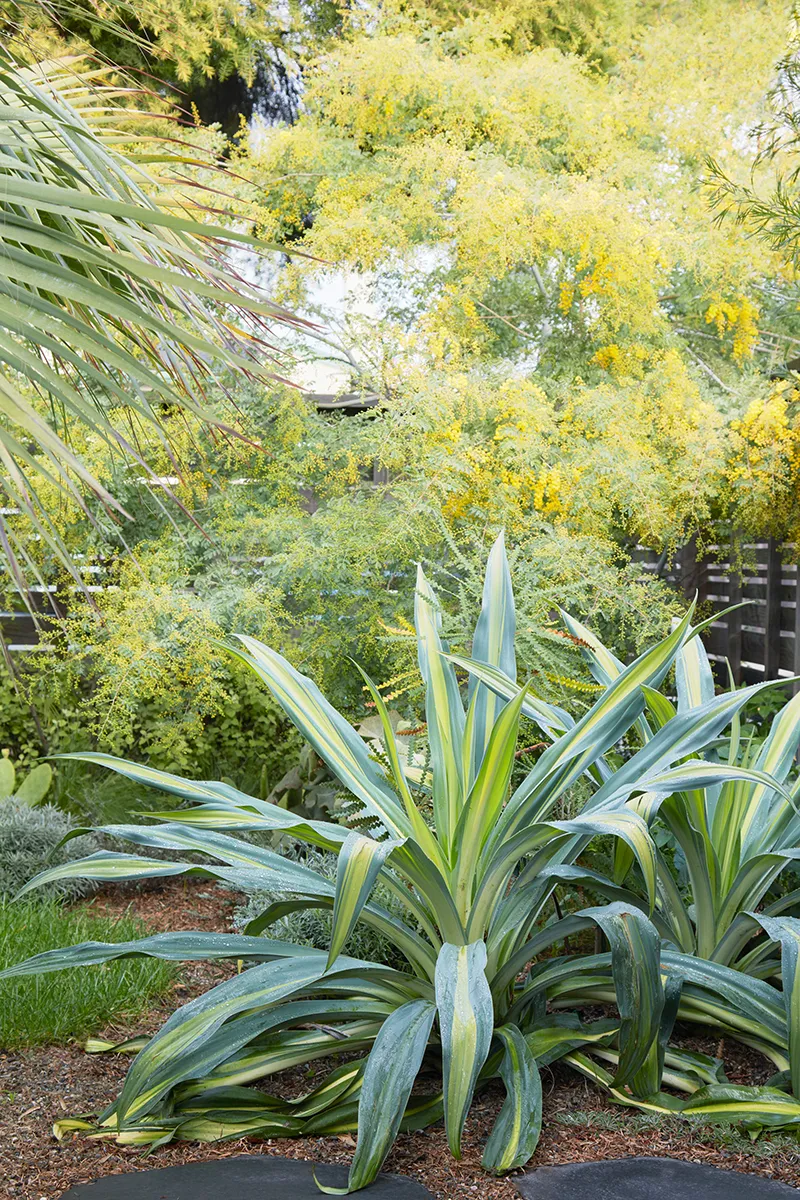
Beschorneria yuccoides ‘Flamingo Glow’
Mexican lily
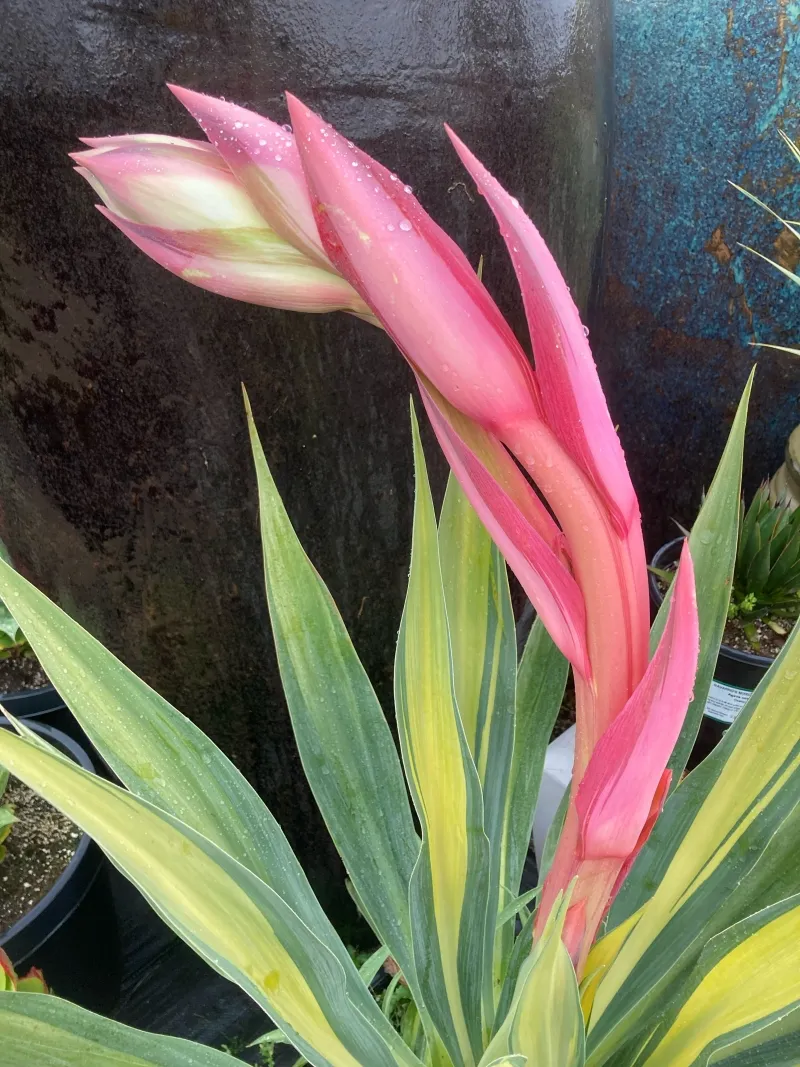
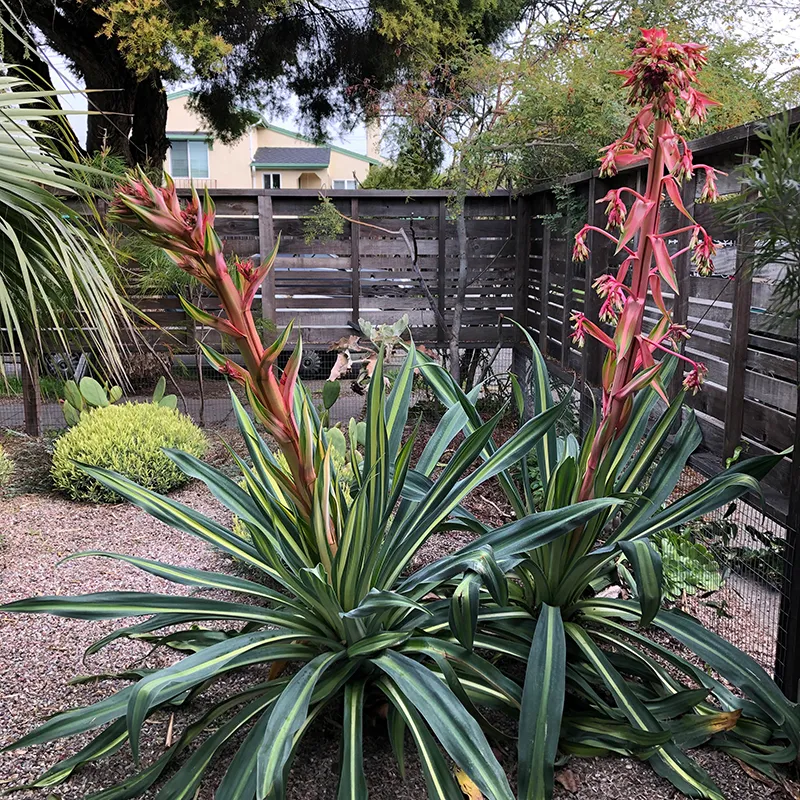
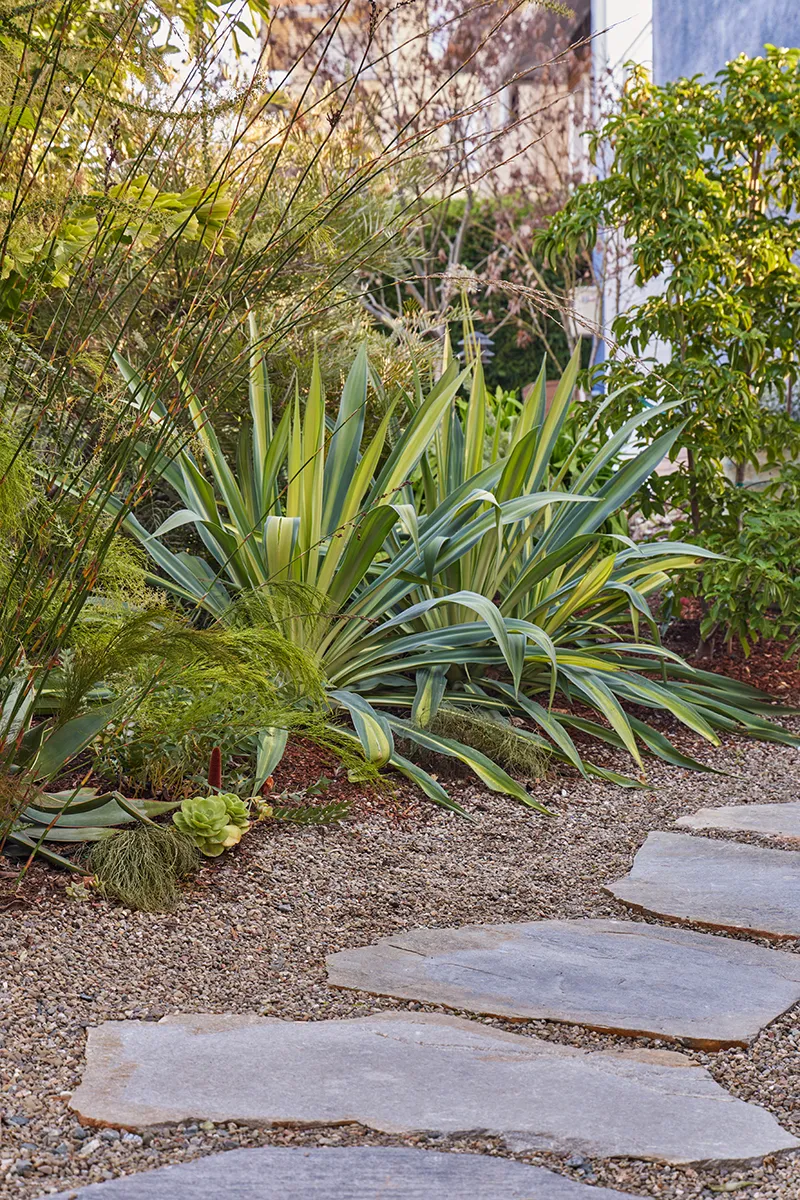
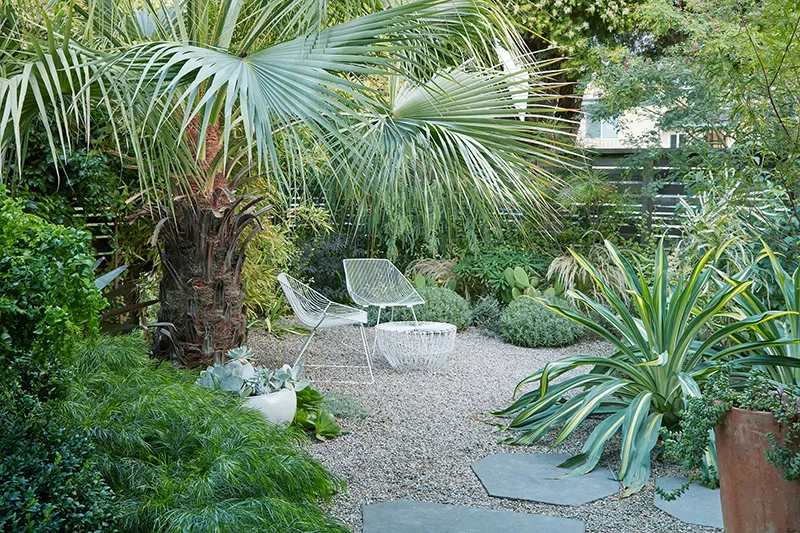
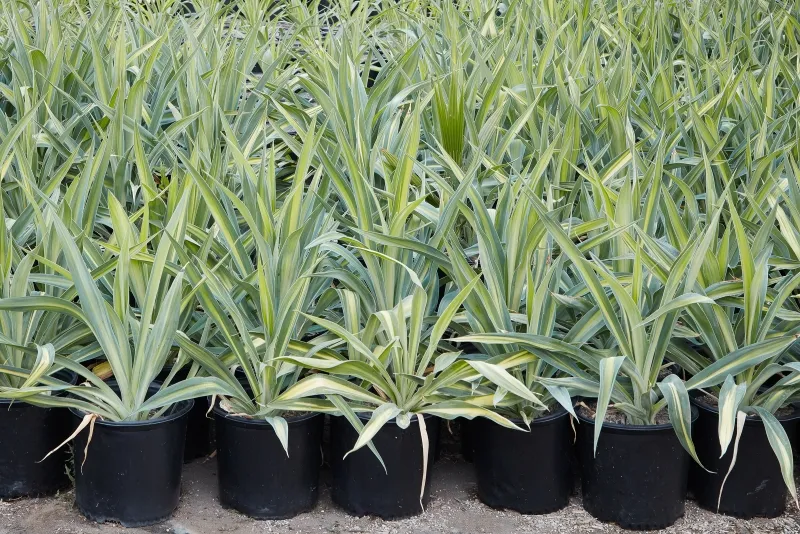
Showy variegated soft succulent rosette produces flowerstalk with raspberry stems and pendant jade flowers. Versatile, gentle. Nice in pots.
Seen in New for 2027! Rosalie from Fermob. →
 Height | 4–6 |
|---|---|
 Width | 4–6ft |
 Tolerates | Cold, Drought, Deer, Heat, Pots, Wind |
 Water needs | Low – Moderate |
Beschornerias are drought-tolerant, but they'll need additional summer irrigation to thrive, especially if placed in a sunny spot. | |
 Hardy to | 12°F |
 Exposure | Part Shade – Full Sun |
 Plant traits | Flowering, Humming Birds, Rosette, Suckering |
 Indoor / outdoor | Outdoor |
 Drainage | In Ground: Cactus Mix, In Pots: Cactus Mix, Tolerates Sandy Soil |
 Fertilizing | All Purpose |
 Origin | Mexico |
 California native | No |
 Sunset zones | 6–9, 14–24 |
Growing Notes
Suckers to make a tight clump. If removing old lower leaves be sure to use a sharp serrated tool as the leaves are surprisingly fibrous.
Variegation is more prominent in more sun.
Beschornerias, with their lovely unarmed leaves, are a wonderful soft element in a tropical or cloud forest garden.
Beschornerias can grow in some shade, but will need sharp drainage. They don't like wet soil and roots during dark winters. Alternatively, if you are in a hot inland garden, the plant will appreciate some shade.
Blooms even in a medium sized pot, but the flowers spikes will be much smaller than plants grown in the ground.
Special Interest
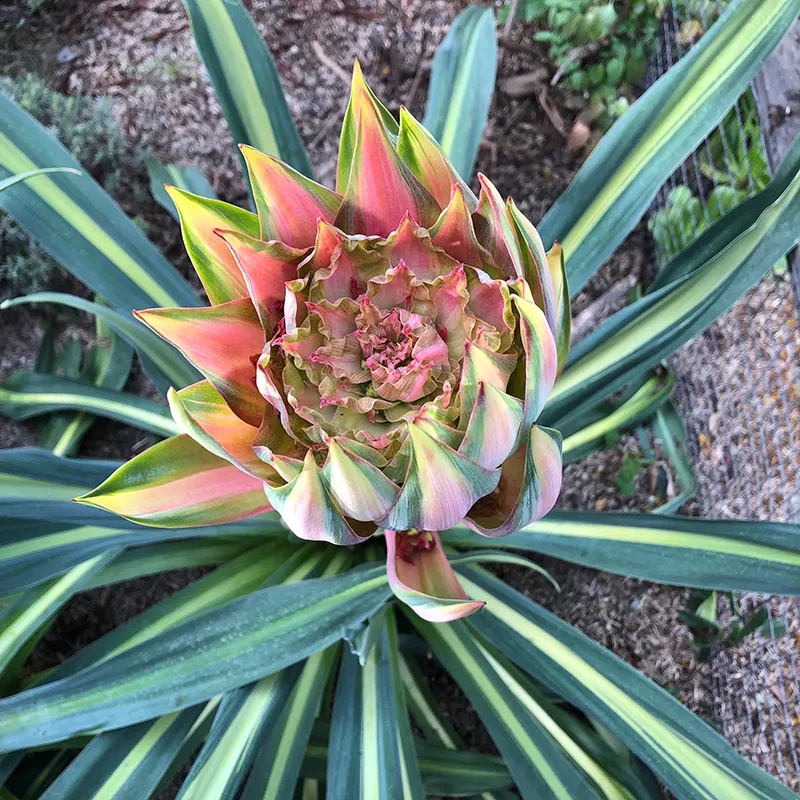
Beschornerias bloom in early summer with tall, colorful red-to-pink branched flower spikes composed of many dangling flowers that are much sought after by hummingbirds. Pink flowers are sometimes tinted green or yellow, adding interest. Once the flower spike has dried up it can be removed, encouraging pups.
Be sure to give it additional food and water after blooming to help it recover.
Stories featuring this plant
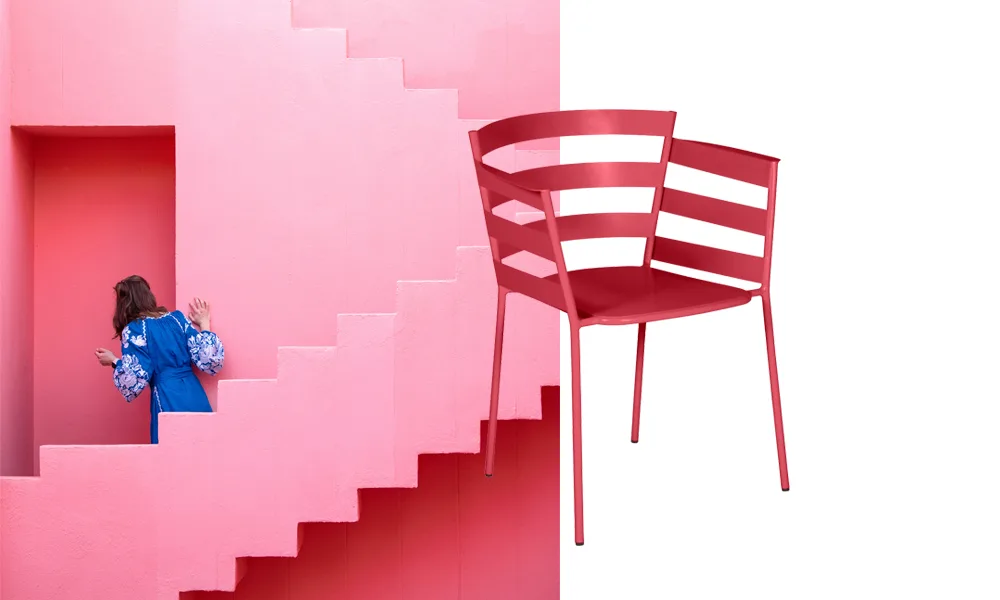 Garden storyNew for 2027! Rosalie from Fermob.Last year we asked Fermob to bring back a pink, and they did! Meet Rosalie, Fermob’s new color for 2027: a clear, bold pink with no blue or orange undertones.
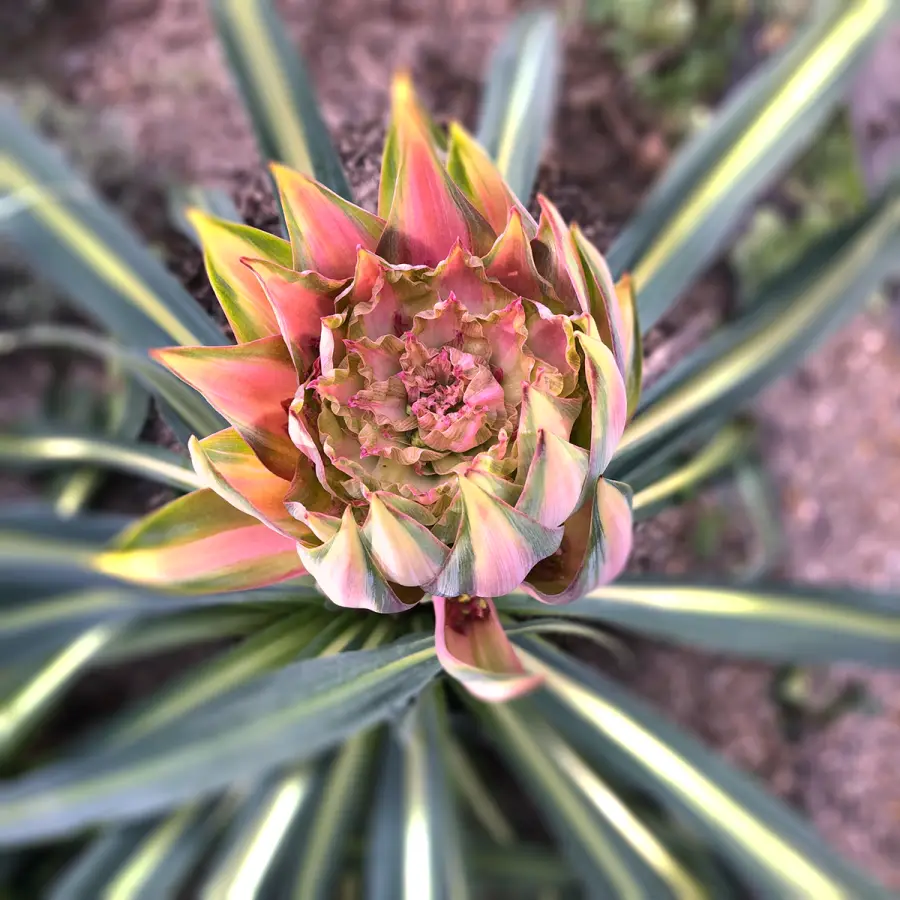 Garden storyBeschorneria ‘Flamingo Glow,’ A True ShowstopperOne of our favorite plants for low-water gardens, Beschorneria yuccoides 'Flamingo Glow' truly delivers on so many levels, with soft, delicate leaves, pretty variegated color, and of course that wildly exotic bloom.
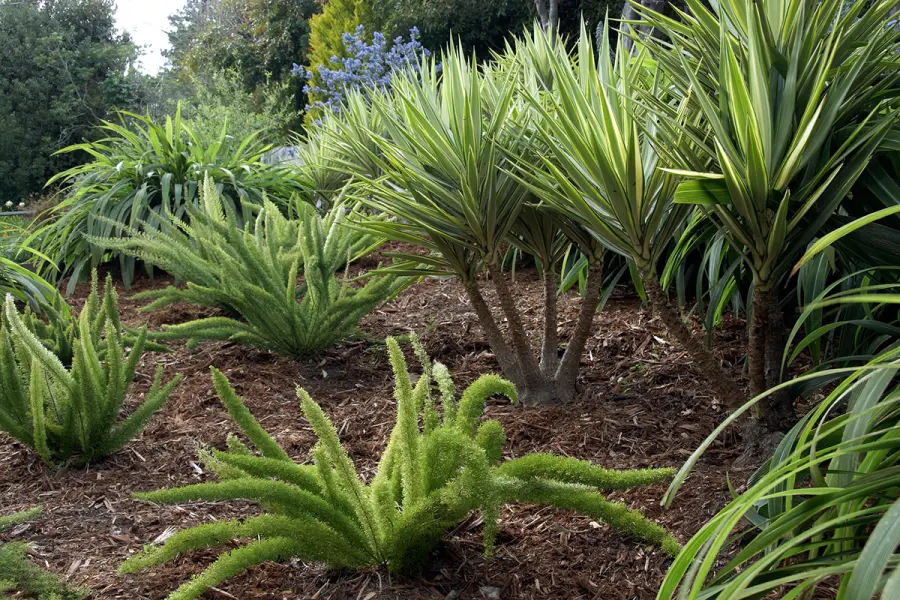 Garden storyEverything Looks Like a Yucca!Many beautiful yucca plants will thrive in coastal California, and we often have several varieties in stock—along with quite a few yucca lookalikes!—at our San Francisco and Marina del Rey nurseries. Read on to learn more about these tough and lovely plants.
In stock today in Los Angeles
| 7 gallon | 5 available | $129 |
The above information reflects the observations of Grubb and Nadler and our extended plant community. We always consider input from fellow horticulturists and welcome feedback from those with additional information on the culture of this plant.
© 2020–2026 Grubb and Nadler. All rights reserved.