
Cordyline stricta
slender palm lily
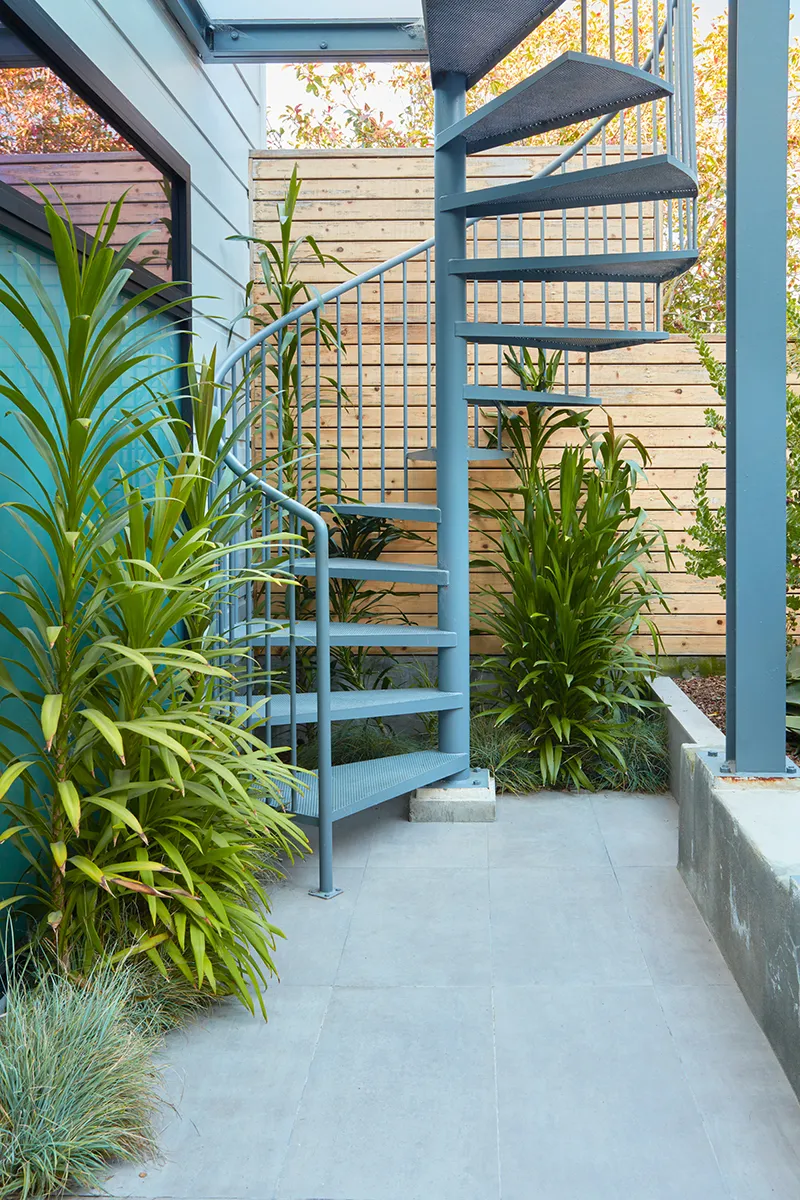
Growing it outdoors
Slender palm lily. Thin, upright, sparsely branched stems topped with grassy leaves. Carefree small-scale bamboo-like shrub. Violet flowerstalks.
 Height | 5–15ft |
|---|---|
 Width | 4–8ft |
 Tolerates | Coast, Cool Summers, Fog, Pots |
 Water needs | Low – Moderate |
Cordylines are surprisingly drought-tolerant once established, though they will look their best with deep watering every week or two. Having good drainage is important with cordylines, which will also makes them quite tolerant of overwatering. | |
 Hardy to | 24°F |
 Exposure | Full Shade – Full Sun |
 Plant traits | Grassy, Screen, Suckering, Tropical, Trunking |
 Drainage | In Ground: Cactus Mix, In Pots: Cactus Mix, Tolerates Sandy Soil |
 Fertilizing | All Purpose |
 Origin | E Australia |
 California native | No |
 Sunset zones | 14–17, 19–24, H1, H2 |
Growing Notes
Cordylines are versatile in the garden. These upright cordylines have a clean vertical form, but also respond well to a hard pruning back (even all the way to the ground) and will send new growth out wherever they are cut back. By cutting multiple canes at different levels you can get a nice staggered effect and maximize screening.
Cordyline stricta also suckers from the base, creating a bamboo-like clump over time.
Once the older lower leaves dry up they can be pulled cleanly away, exposing a textured trunk. As long as a few feet of leaves are left at the top, lower green leaves can be pruned away to accentuate the 'palm' look of this plant.
Cordylines are an excellent choice for a pot, where they are low-maintenance plants for the long term.
In particularly windy conditions cordylines may develop brown frayed tips.
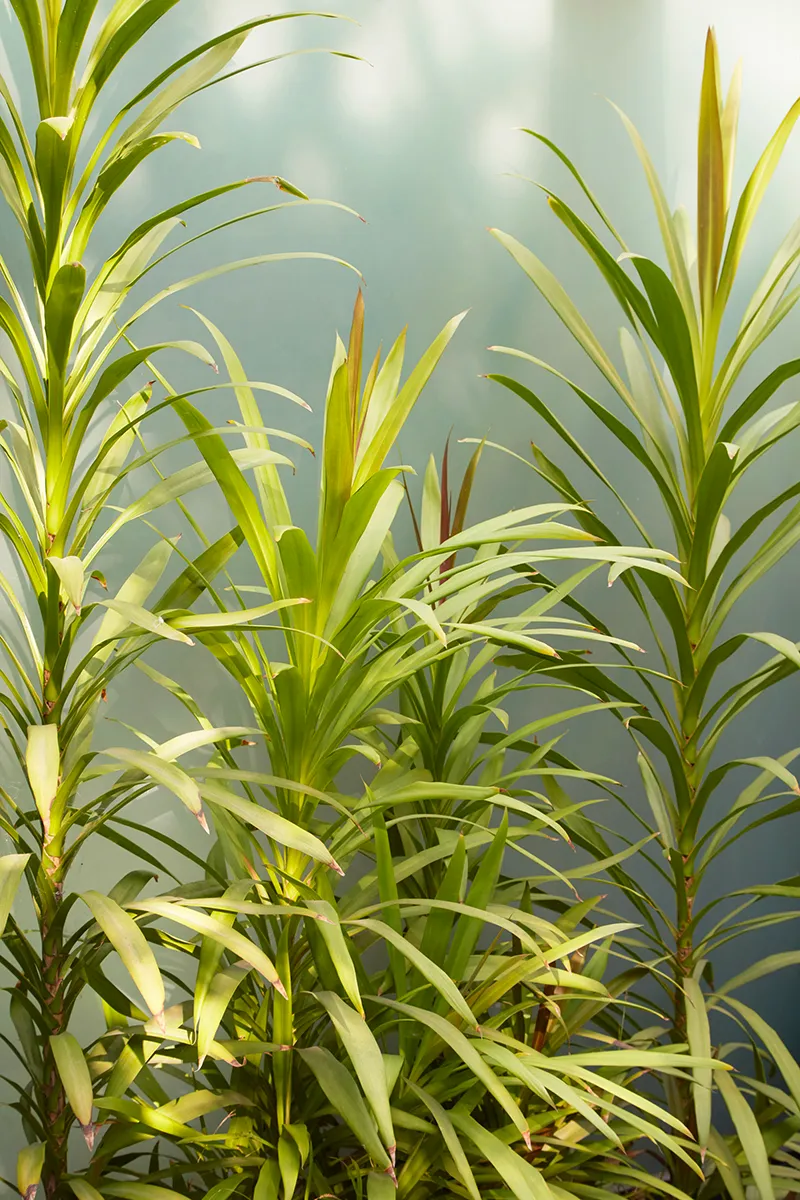
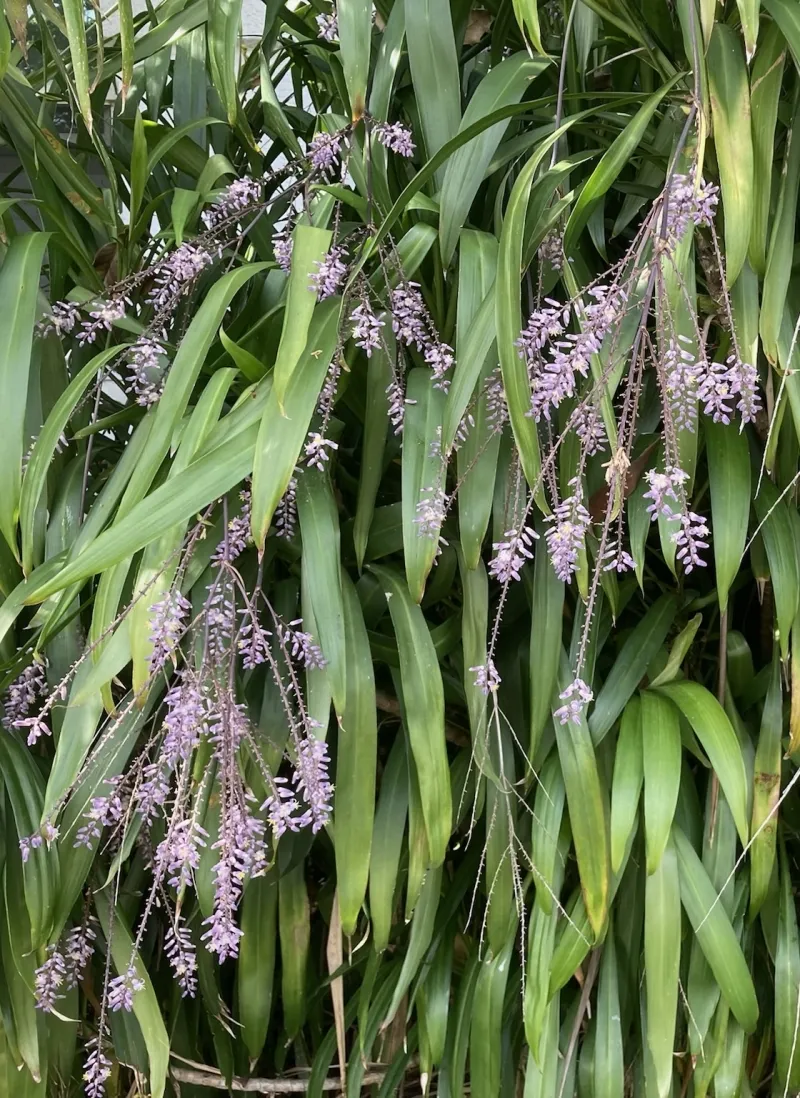
Growing it indoors
| Height | 1–8ft |
|---|---|
| Width | 1–3ft |
| Water needs | When soil surface is dry. |
This plant wants water when the top of the soil is dry, but you can still feel moisture just below the surface. This plant will often fall into a once-a-week watering cycle, but remember that your watering should be based on the moisture left in the soil, which will depend partly on the moisture in the room and the weather outside. The soil surface layer goes a bit deeper for larger pots; for example, a plant in a 14-inch diameter pot should dry out a couple of inches deep before you water it, while a plant in a 4-inch pot will only want to dry out in the top half inch or so of soil. This is a summer grower and will be tolerant of more water during that time. It will be tolerant of underwatering during the winter. | |
| Exposure | Bright Indirect – Partial Direct |
| Plant traits | Grassy, Screen, Suckering, Tropical, Trunking |
| Drainage | In Pots: Cactus Mix |
| Fertilizing | All Purpose |
| Origin | E Australia |
Growing Notes
These upright cordylines respond well to a hard pruning, even down to a short stump, and send new growth out wherever they're cut. Once the older lower leaves dry, they pull cleanly away, revealing a textured trunk.
Give it as much light as you can without burning it. In a south or west window, watch the leaves facing the sun for burn, and move it farther into the room if you see it.
Which store do you shop at?
Special Interest
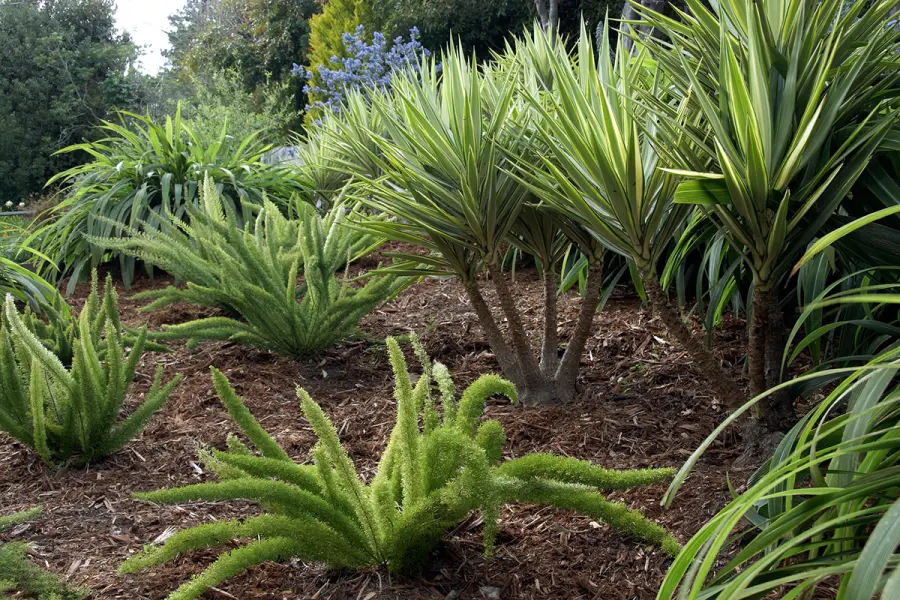
Cordyline stricta makes a great screen.
Stories featuring this plant
The above information reflects the observations of Grubb and Nadler and our extended plant community. We always consider input from fellow horticulturists and welcome feedback from those with additional information on the culture of this plant.
© 2020–2026 Grubb and Nadler. All rights reserved.