
Dasylirion longissimum
Mexican grass tree
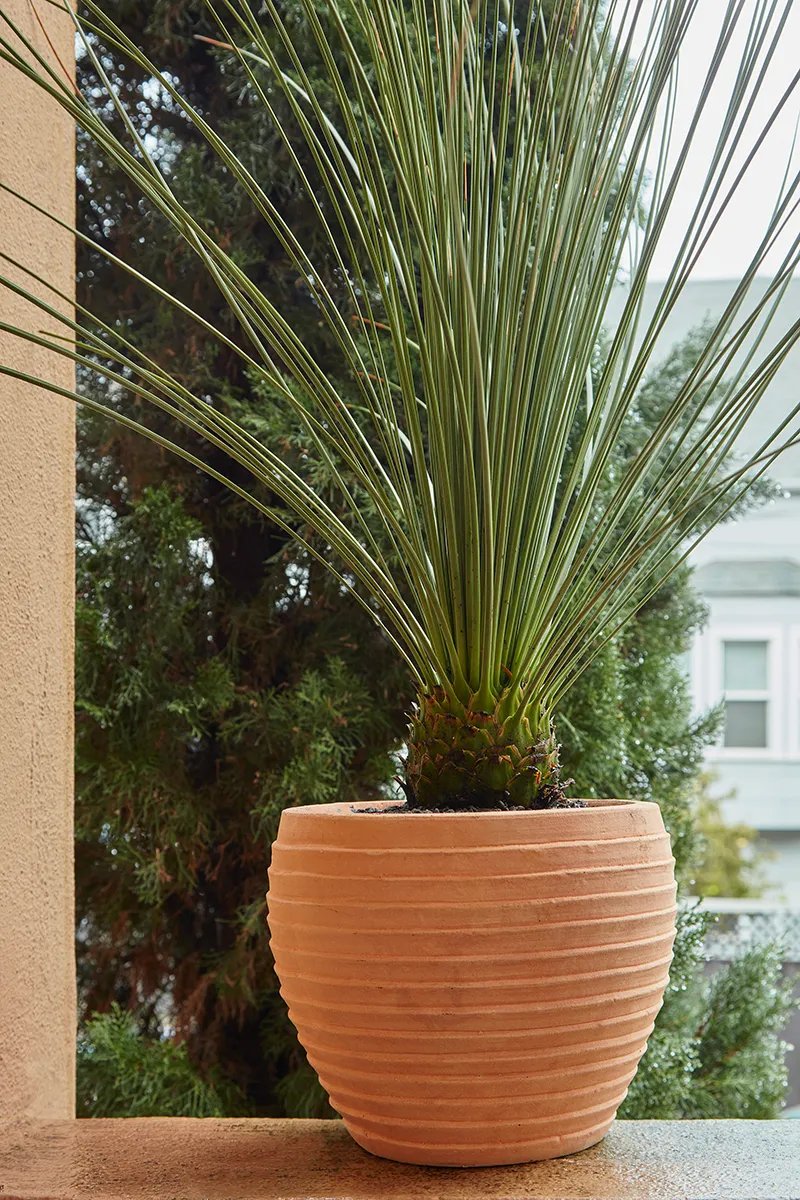
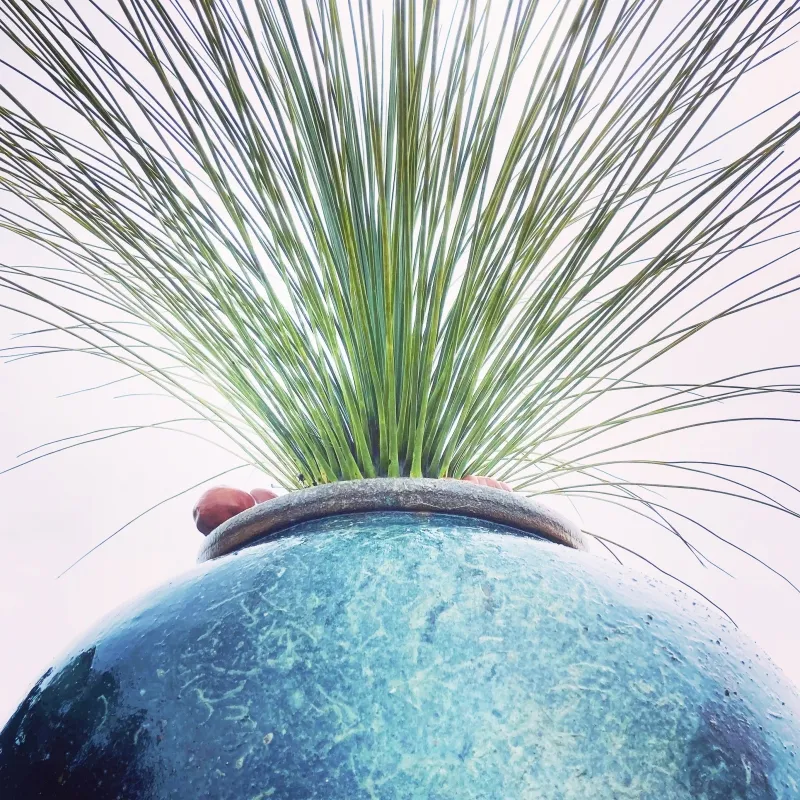
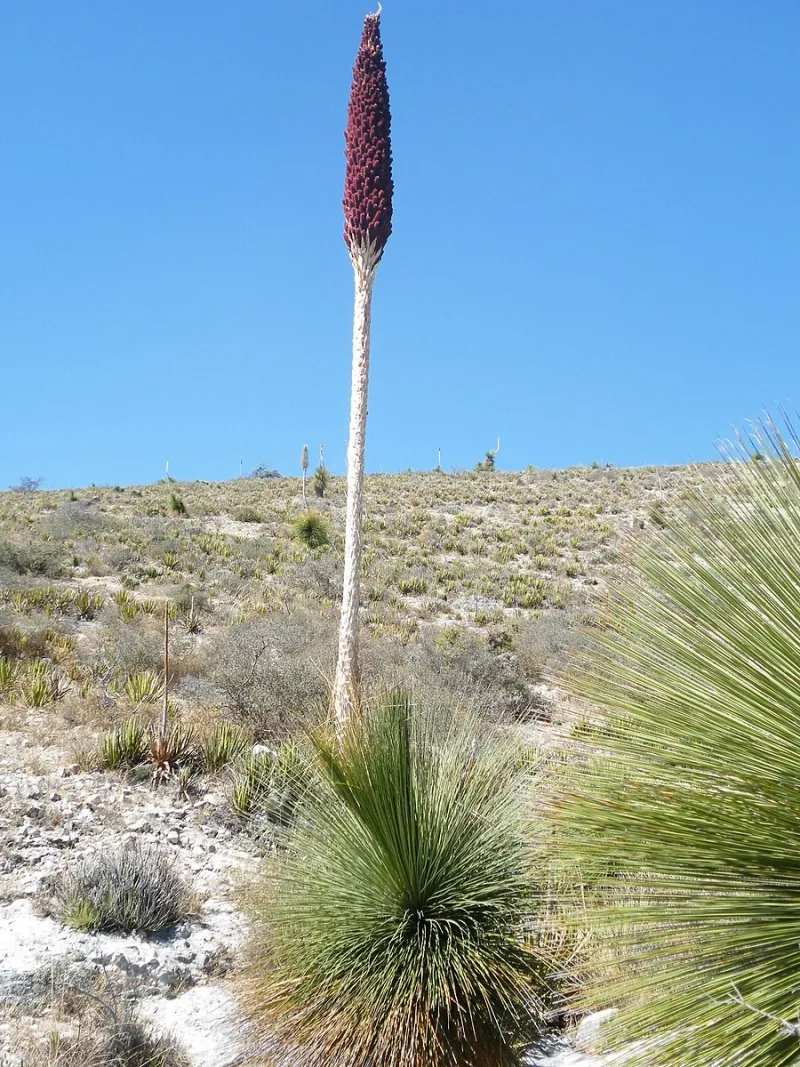
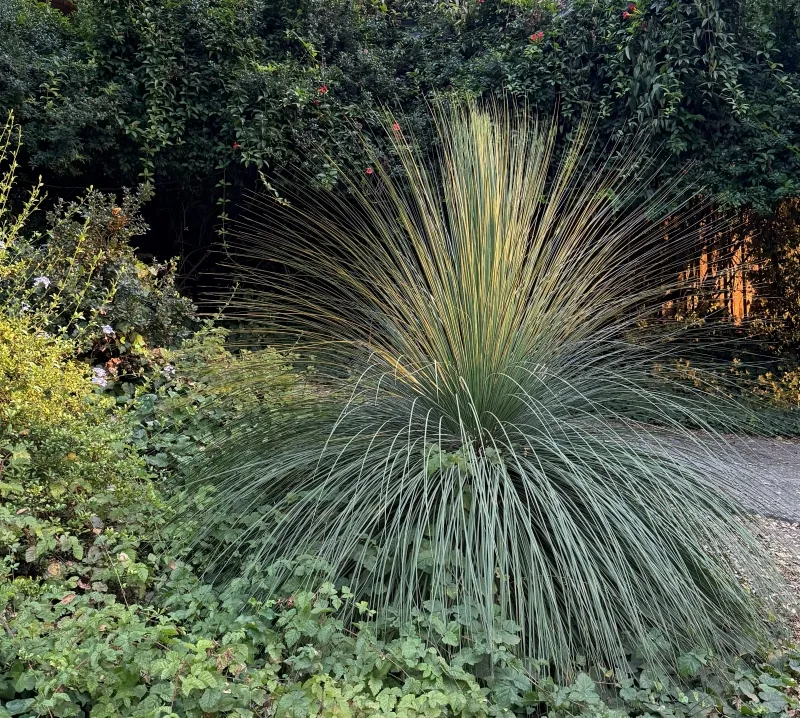
Mexican grass tree. Space-age wiry orb atop a stout trunk with age. Produces tall flower spikes. Nice in containers, too.
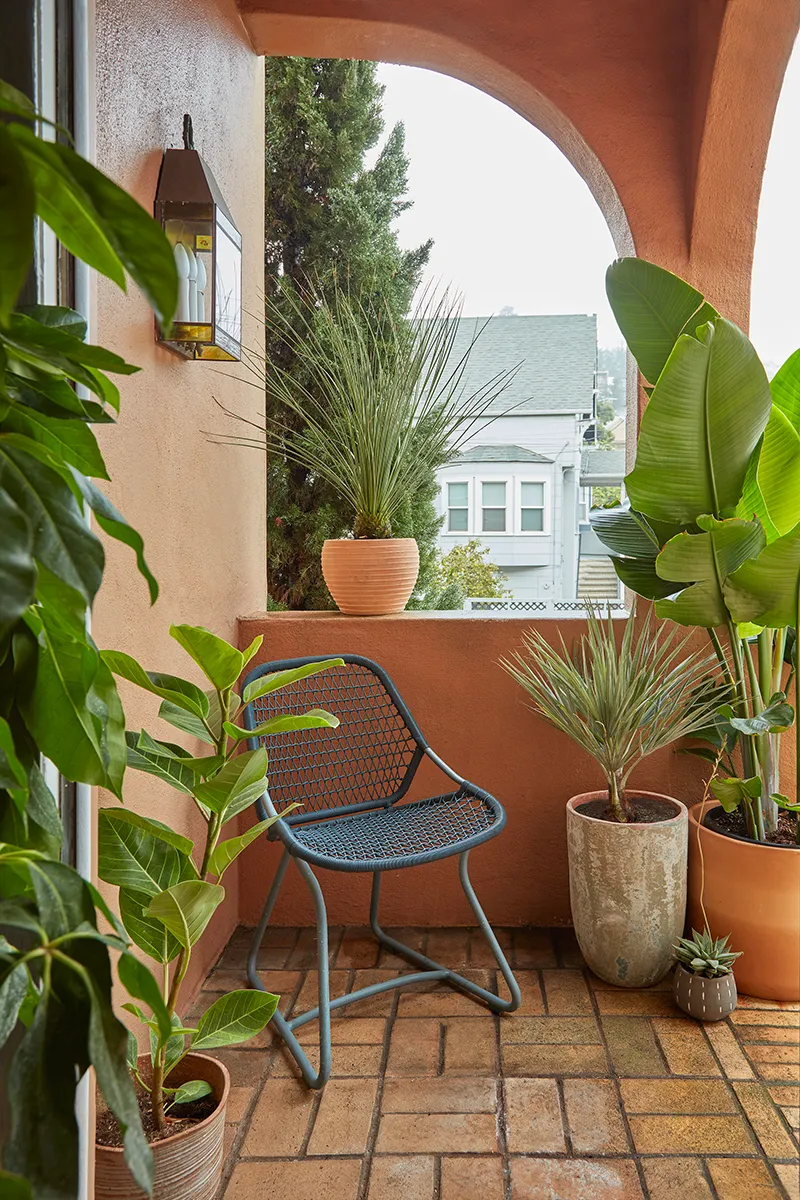
Seen in Everything Looks Like a Yucca! →
 Height | 2–10ft |
|---|---|
 Width | 6–10ft |
 Tolerates | Drought, Heat, Pots, Rooftops, Neglect, Wind |
 Water needs | Low |
Dasylirions are unusual plants from North American deserts. They are exceptionally drought tolerant, especially once established. They will love a sunny hot spot, but they'll want summer water every week or two for the first few years to get established, since summer is when they receive rainfall in nature. Yellowing of leaves is a sign of overwatering or not enough drainage. Generally dasylirions remain solitary, though they do sometimes split from the top and grow into multi-trunked forms with great age. | |
 Hardy to | 15°F |
 Exposure | Part Shade – Full Sun |
 Plant traits | Flowering, Sculptural, Trunking |
 Indoor / outdoor | Outdoor |
 Drainage | In Ground: Cactus Mix, In Pots: Cactus Mix, Tolerates Sandy Soil |
 Fertilizing | All Purpose |
 Origin | NE Mexico |
 California native | No |
 Sunset zones | 8, 9, 11–23 |
Growing Notes
Dasylirions create a head of many long, thin leaves in an orb shape over a stout trunk that varies in height by species. You can either let these leaves age and turn into a beard as they would in nature, or prune off the oldest leaves as they age and get replaced by new ones from the crown. Pruning the lower leaves will expose the trunk, giving the plant a clean textured look over time. This can also make it easier to weed around the base of your plant, especially with the spinier dasylirion species.
To create a fountain-like appearance, prune lower leaves higher up, until the lowest leaves are at an upward angle. This will also narrow the spread of your dasylirion.
Adding to the uniqueness of these plants, a centimeter or less of the leaf tips will naturally brown and even become tufted over time.
Special Interest
The stiff leaves of this plant are mesmerizing when viewed in a light breeze.
Stories featuring this plant
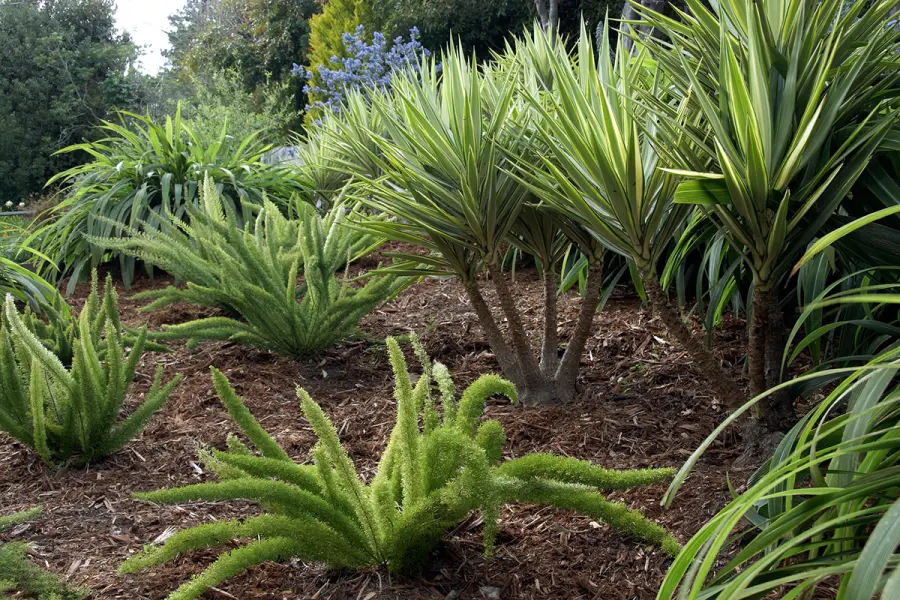 Garden storyEverything Looks Like a Yucca!Many beautiful yucca plants will thrive in coastal California, and we often have several varieties in stock—along with quite a few yucca lookalikes!—at our San Francisco and Marina del Rey nurseries. Read on to learn more about these tough and lovely plants.
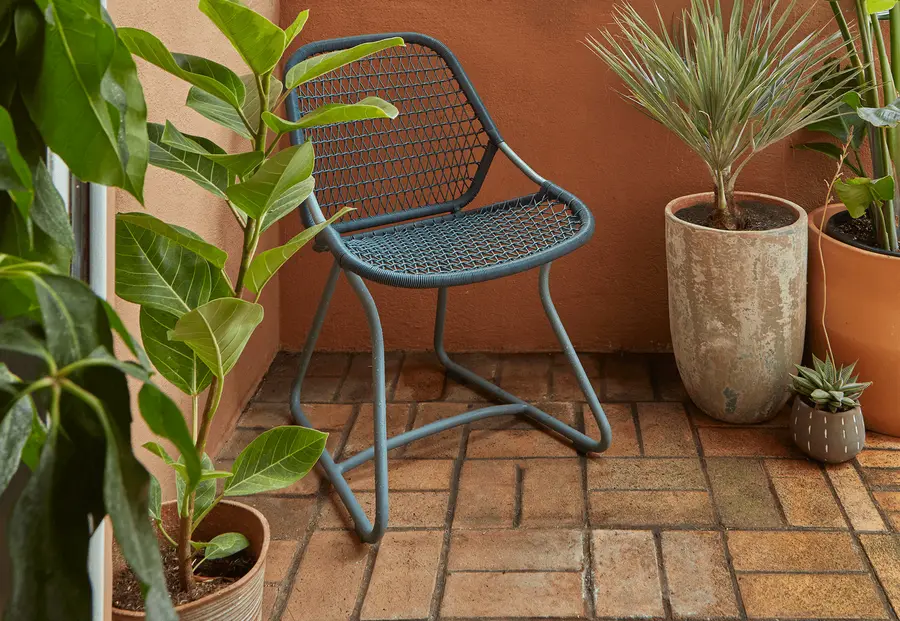 Garden storySmall Garden Inspiration: Sweet San Francisco Front PorchLots of us are working with limited outdoor space, but even the tiniest square of air can become a garden, like this lovely little SF stoop.
Links
Which store do you shop at?
The above information reflects the observations of Grubb and Nadler and our extended plant community. We always consider input from fellow horticulturists and welcome feedback from those with additional information on the culture of this plant.
© 2020–2026 Grubb and Nadler. All rights reserved.