
Dracaena marginata
Madagascar dragon tree
Growing it outdoors
Although it grows very happily outdoors, a plant that has lived indoors may sunburn at first if it's moved straight into the sun. It will recover.
 Synonyms | Dracaena reflexa var. angustifolia |
|---|---|
 Height | 4–15ft |
 Width | 2–12ft |
 Tolerates | Drought, Heat, Pots |
 Water needs | Low – Moderate |
Drought tolerant, but it will want additional summer water at least every couple of weeks once established. They prefer well-drained soil, but they're less picky than some of the other dracaenas like D. draco. | |
 Hardy to | 30°F |
 Exposure | Part Sun – Full Sun |
 Plant traits | Sculptural, Shrub, Tropical |
 Drainage | In Ground: Cactus Mix, In Pots: Cactus Mix, Tolerates Sandy Soil |
 Fertilizing | All Purpose 1/2 Strength |
 Origin | Western Indian Ocean |
 California native | No |
 Sunset zones | 13, 16, 17, 21–24, H1, H2 |
Growing Notes
Plants in warmer areas can tolerate more shade than those in cooler, coastal zones. In the low desert, position in bright shade or in an eastern exposure where it gets shaded by 10am.
This tropical plant is surprisingly successful in mild Bay Area gardens if it can be protected from excessive winter wet under eaves and in sharply drained soil.
Growing it indoors
Madagascar dragon tree a sculptural focal point for a pot or sunny, well-drained bed. Sinuous, open branching like a small Joshua tree. Perfect in a pot.
| Synonyms | Dracaena reflexa var. angustifolia |
|---|---|
| Height | 1–8ft |
| Width | 1–4ft |
| Water needs | When soil surface is dry. |
This plant wants water when the top of the soil is dry, but you can still feel moisture one to three inches below the surface. This plant will often fall into a once-a-week watering cycle, but remember that your watering should be based on the moisture left in the soil, which will depend partly on the moisture in the room and the weather outside. The soil surface goes a bit deeper for larger pots; for example, a plant in a 14-inch diameter pot should dry out a couple of inches deep before you water it, while a plant in a 4-inch pot will only want to dry out in the top inch or so of soil. Lower leaves will hang limp if your plant gets too dry. However, excess water can lead to root rot. If in doubt, err on the side of dryness. | |
| Exposure | Moderate Indirect – Partial Direct |
| Plant traits | Sculptural, Shrub, Tropical |
| Drainage | In Pots: Cactus Mix |
| Fertilizing | All Purpose 1/2 Strength |
| Origin | Western Indian Ocean |
Growing Notes
If growing outdoors, plant in late spring or summer and choose a well-drained, sunny spot, especially in coastal Central California and the Bay Area. It can also thrive under an overhang with less sun. The enemy of this plant in California gardens is cold, wet soil.
In the low desert, choose a location that's shaded in the midday and afternoon. It's adapted to more humid heat than the desert can offer; shade there helps keep it happy—as does sufficient irrigation.
Which store do you shop at?
Special Interest
Some branches will develop in eccentric, sinuous patterns.
Rarely flowers.
Stories featuring this plant
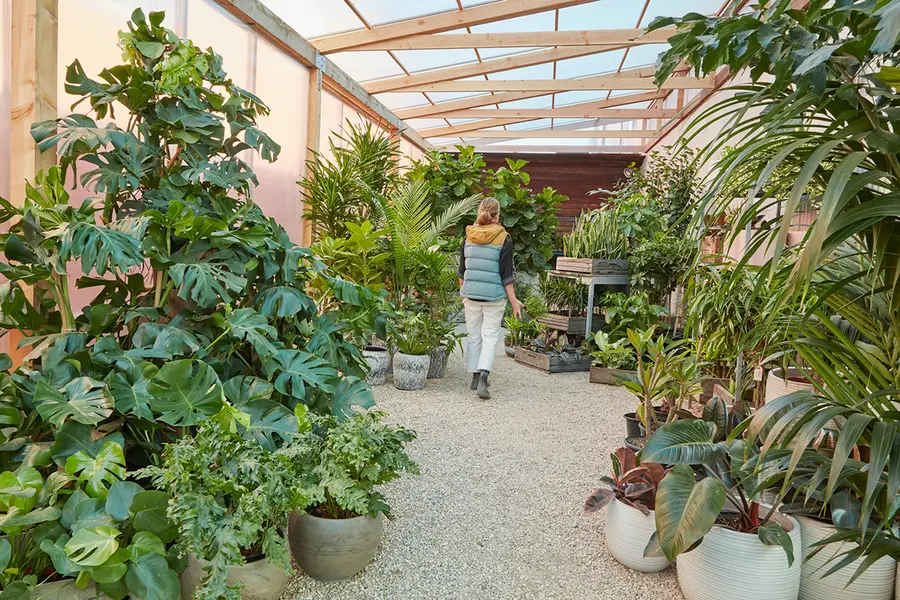 Garden storyHouseplant Care: Light, Water, and SoilHere at FGG, the question we hear most often from customers is “How often do I water my houseplant?” It sounds like a simple question, but the answer is actually pretty complicated.
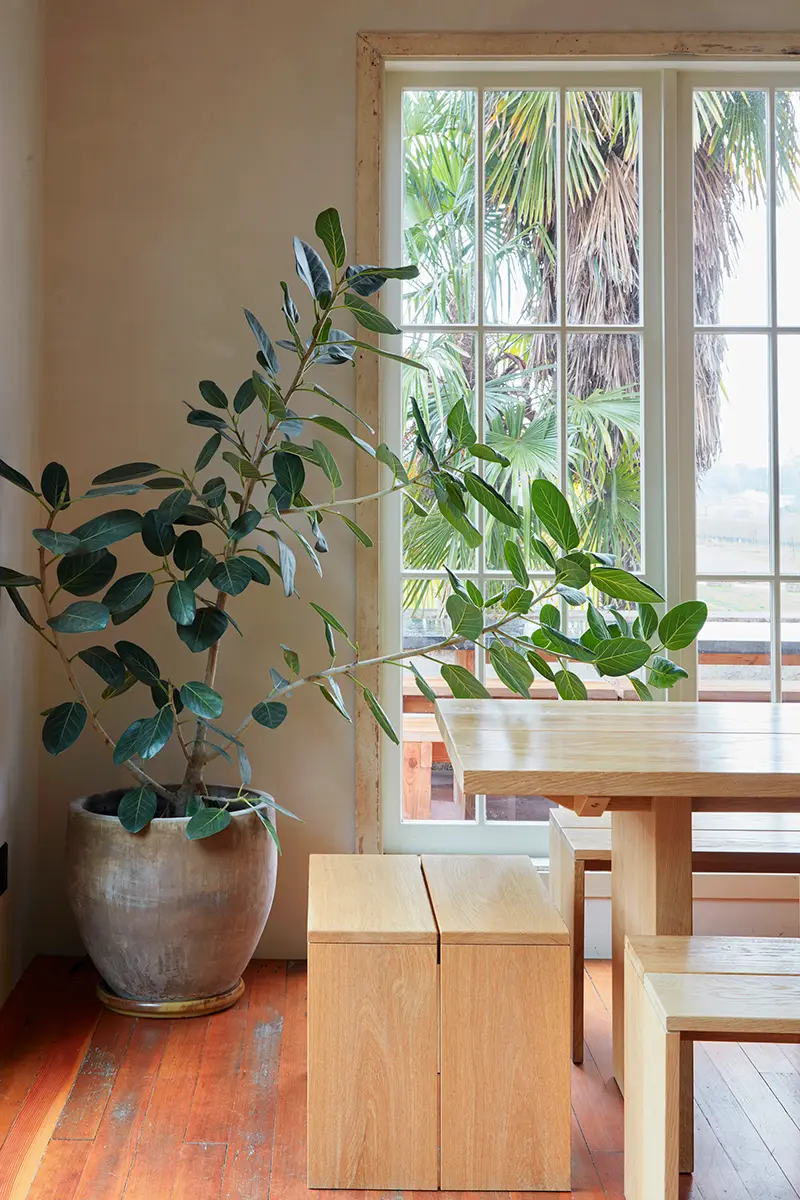 Garden storyFavorite Houseplants for Direct SunHere’s a pro tip: Almost all indoor plants will happily grow in bright indirect light, but only some are okay with sitting in a sunny window. feeling the direct warm sun on their leaves. We’ve got some beautiful houseplant suggestions for spots in your home with bright direct sun.
More Info
Better known as a houseplant.
Many variegated types and color forms have been selected.
Links
The above information reflects the observations of Grubb and Nadler and our extended plant community. We always consider input from fellow horticulturists and welcome feedback from those with additional information on the culture of this plant.
© 2020–2026 Grubb and Nadler. All rights reserved.