
Dudleya brittonii
giant chalk dudleya
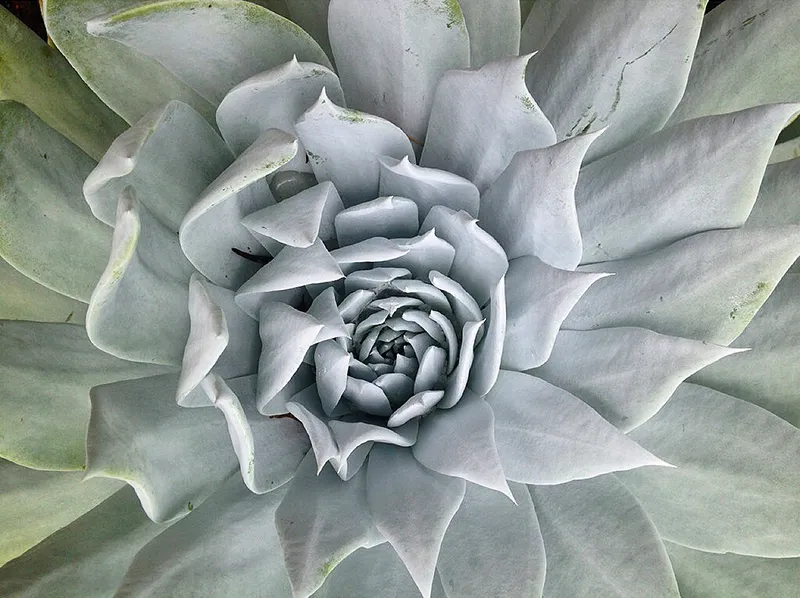
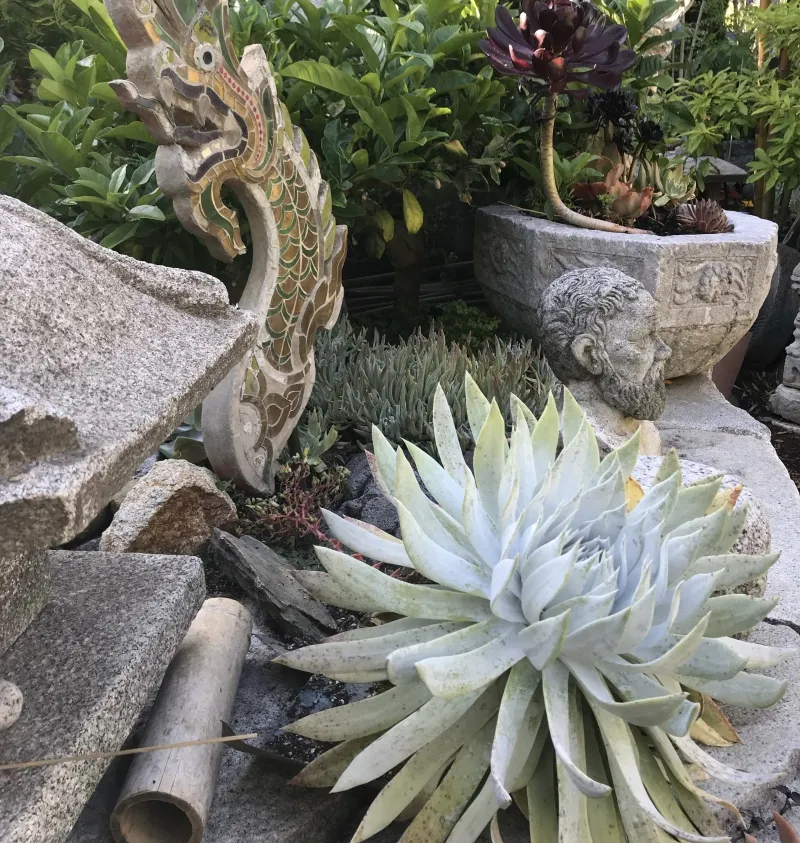
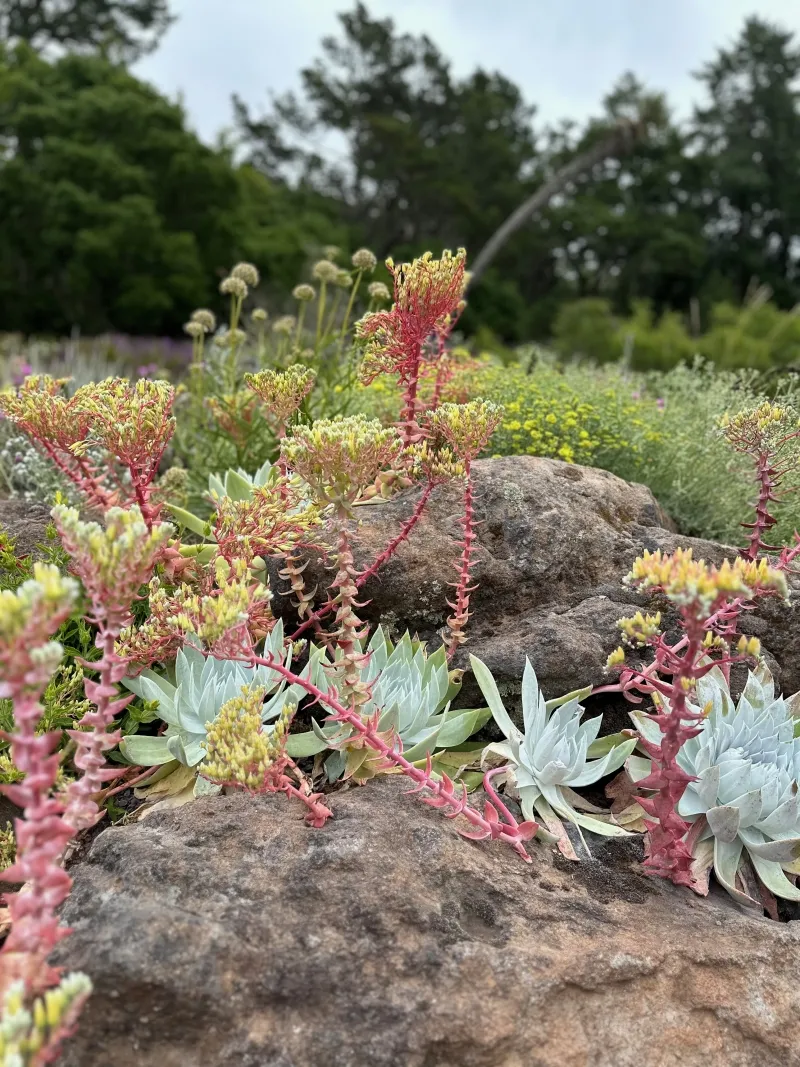
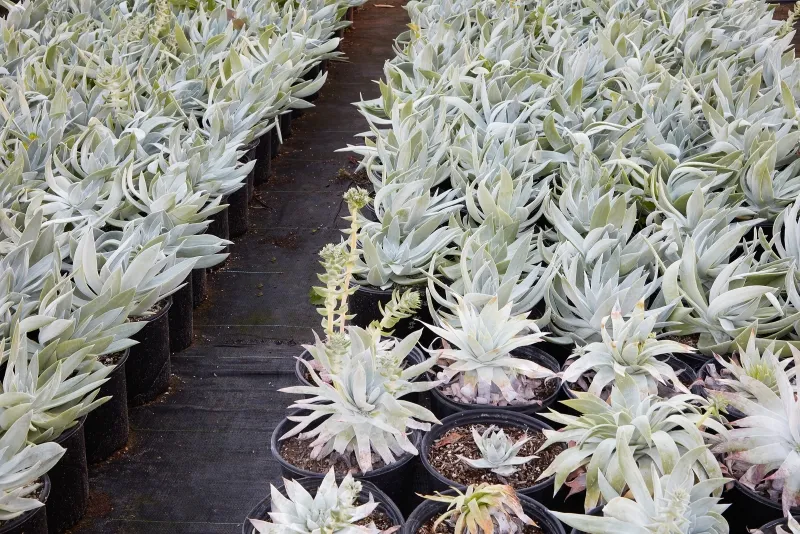
This chalky white dudleya grows on rocky hillsides near Tijuana and Ensenada. Prefers minimal summer water. Pale yellow flowers on tall spikey looking stems. Nice in pots.
 Mature size | 6–18in tall 12–20in wide |
|---|---|
 Exposure | Part Sun – Full Sun |
 Hardy to | 15°F |
 Sunset zones | 14–24 |
 Water needs | Lowest Dudleya thrive best in areas that aren't too far from the coast. They appreciate winter rains and fog drip during the summer, but often respond poorly to heavy summer watering. At a minimum, be sure dudleya are bone dry before watering during summer. Waiting for the lower leaves to shrivel will help ensure you aren't overwatering. If you choose to withhold summer water entirely, your dudleya may look withered or 'dead' by August, with only a few inner leaves still succulent, but then will plump up quickly with rain (or irrigation) in the fall. They grow in rocky outcrops, so good drainage is essential, especially if you plan on watering during summer to keep the plant from looking too stressed. |
 Tolerates | Drought, Salt, Wind |
 Plant traits | Flowering, Rock Garden, Rosette, Solitary, Succulent |
 Drainage | In Ground: Cactus Mix, In Pots: Cactus Mix, Requires Perfect Drainage |
 Fertilizing | All Purpose, Low Needs |
 California native | Yes |
Growing Notes
Dudleya are from our Mediterranean climate, making them very carefree on the coast of California. Though they can be planted year round, planting during the fall coincides nicely with the plant's active growing season.
On the coast they love full sun, but if they are grown inland, give them some afternoon shade.
Upright shoots of dangling candy corn flowers are usually present in the spring. They come in warm colors from yellow to red and pink. Prune off older dead flower spikes once they are dry and brittle.
Dudleya leaves are even more delicate than other succulents, so be sure they are handled gingerly and placed away from high traffic areas.
Extremely salt tolerant.
Will grow in dry shade along the coast, as long as summer water is completely withheld.
With time develops a beard of crusty dried leaves at the base, which can be removed to expose a short trunk.
Special Interest
Goes with the all white moon viewing garden, or the high contrast garden, where it pops amongst dark colors.
On dewy mornings check the center of this Dudleya's rosette. You may find mercurial orbs of dew encapsulated in powdery residue. This is an adaptation that allows Dudleya brittonii to collect tiny bit of precipitation in a dry, coastal climate.
Which store do you shop at?
What we've learned from growing this plant ourselves and in our customers' gardens. We always love to hear more. Tell us
© 2020–2026 Grubb and Nadler. All rights reserved.