
Euphorbia resinifera
resin spurge
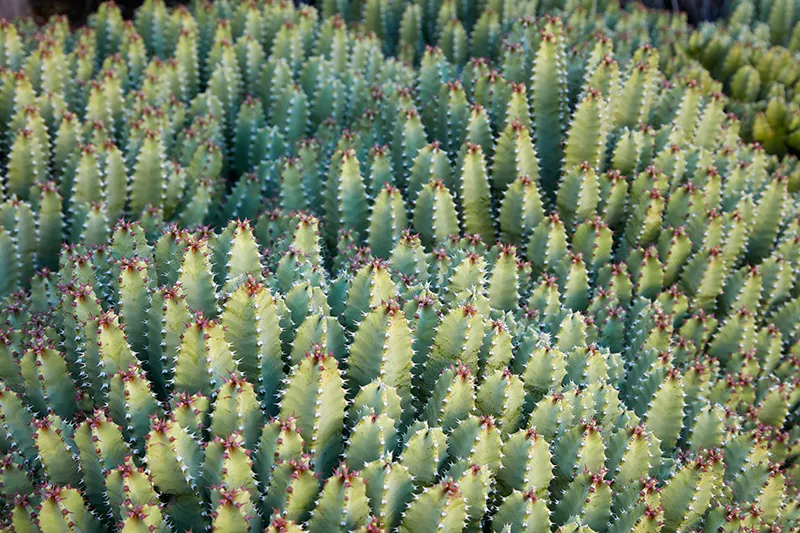
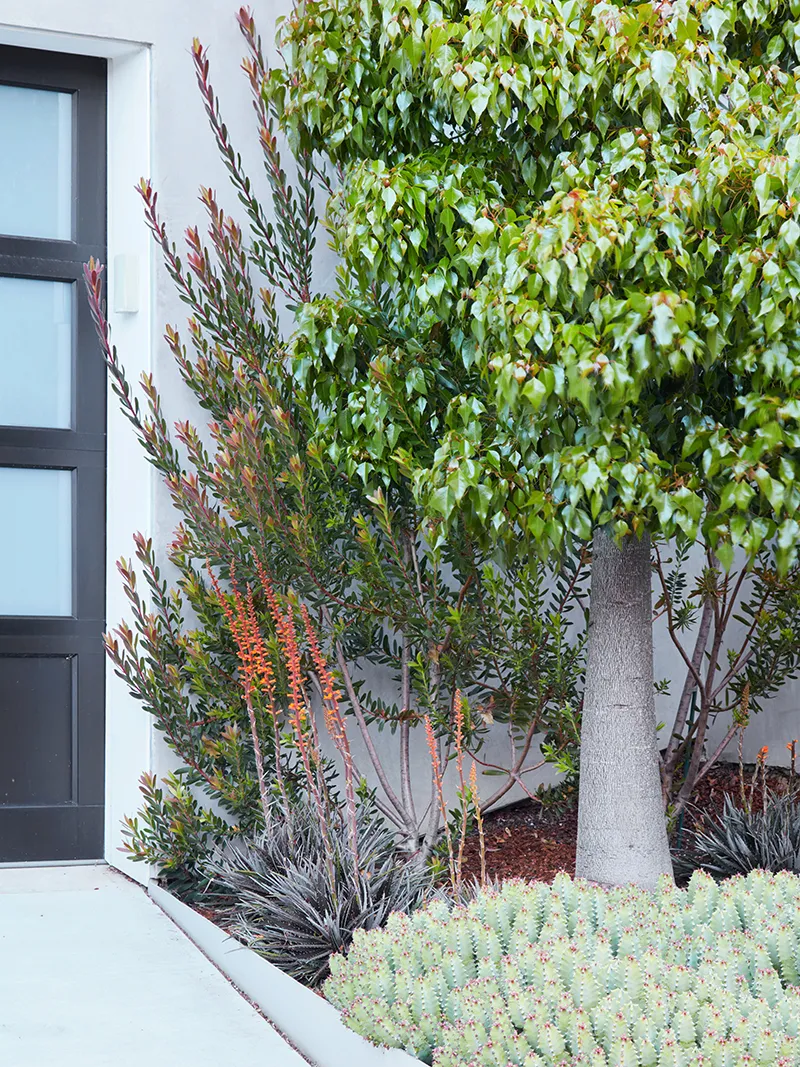
Clumping, cactus-like growth produces broad, blue-green mounds. Spring chartreuse flowers contrast with dark thorns. Moroccan plant is well adapted to California.
Seen in How to Grow Euphorbia as Houseplants →
 Height | 1–2ft |
|---|---|
 Width | 3–6ft |
 Tolerates | Cold, Drought, Deer, Gophers, Heat, Pots, Rooftops, Neglect, Wind |
 Water needs | Lowest |
This euphorbia is from Moroccan desert and as such likes to go totally bone dry between waterings, making it very low-maintenance. This Euphorbia comes from a Mediterranean area with winter rainfall and is actively growing during that time, when it is forgiving of overwatering errors. During summer dormancy it should be kept extra dry and will be intolerant of overwatering unless the drainage is very sharp. Remember that if kept in a small pot your plant will want more frequent watering. | |
 Hardy to | 20°F |
 Exposure | Part Shade – Full Sun |
 Plant traits | Armed, Mounding, Rock Garden, Sculptural, Succulent, Suckering, Toxic Sap |
 Indoor / outdoor | Outdoor |
 Drainage | In Ground: Cactus Mix, In Pots: Cactus Mix, Tolerates Sandy Soil |
 Fertilizing | All Purpose |
 Origin | Morocco |
 California native | No |
 Sunset zones | 8, 9, 13–23 |
Growing Notes
If grown in a pot let the plant grow to the edges of the pot and then repot it. Be careful of growing in shallow pots long term, as the succulent roots can plug the hole stopping drainage. You can check the bottom of the pot in the fall to make sure roots aren't coming out of the pot, and repot at that time if they are.
Take care when pruning, as euphorbias have toxic sap that can cause a skin rash or damage to the eyes (make sure to rinse repeatedly with water if sap gets on your skin or in your eyes).
Very hard to grow from cuttings.
Special Interest
Excellent home defense plant, that will make an impenetrable mass when planted every two to three feet.
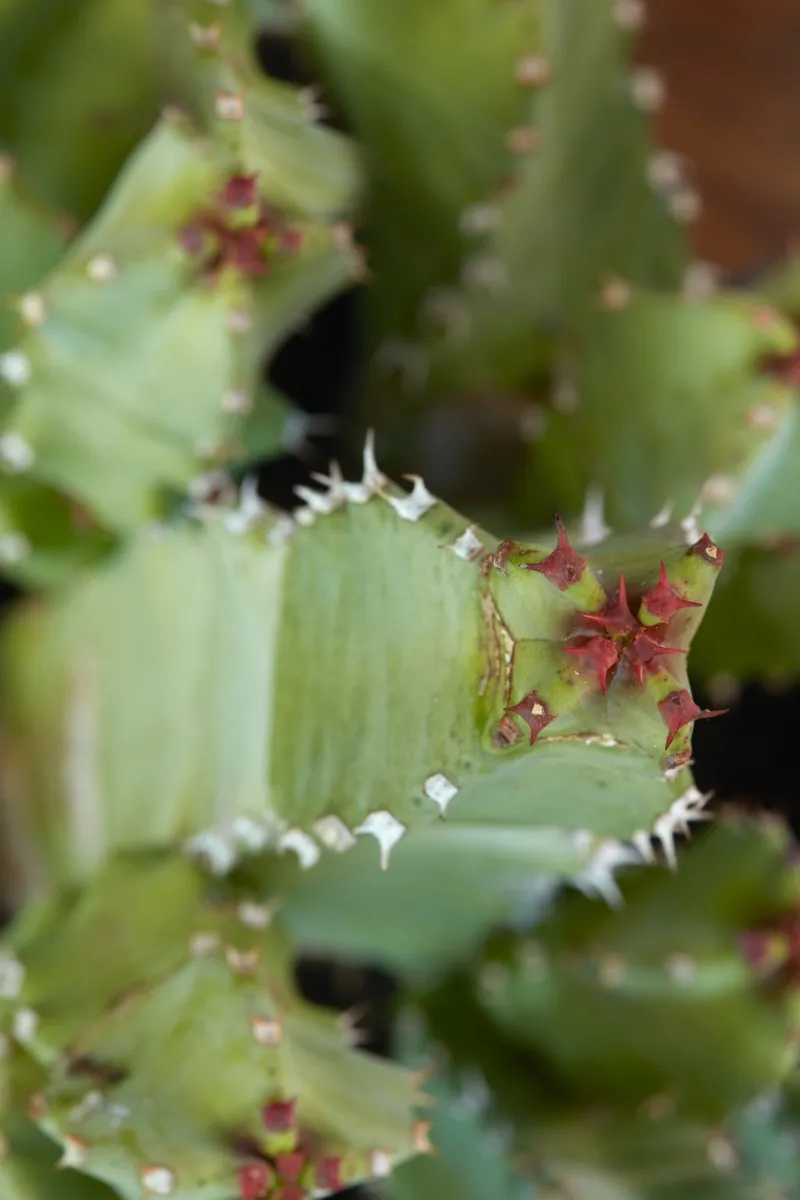
These plants are often confused with columnar cactus because, through convergent evolution, they have adapted into a similar form. However, euphorbias are not closely related to cactus. In fact they're more closely related to the holiday poinsettia. Some notable differences are euphorbia's latex sap, insignificant flowers, tiny little leaves when in growth, and thorns instead of spines to protect themselves.
Stories featuring this plant
More Info
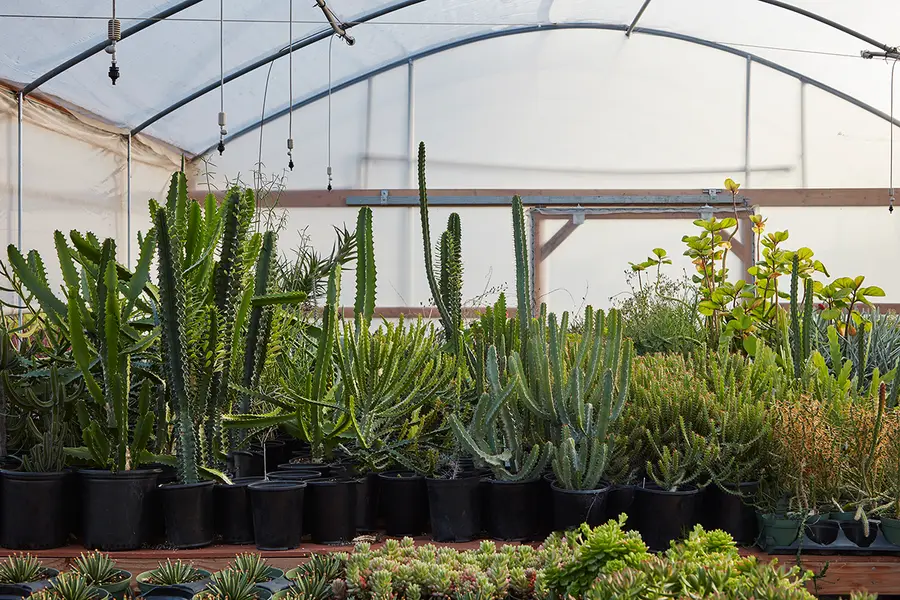
This euphorbia also makes a good houseplant and transitions easily to a warm sunny room.
Which store do you shop at?
The above information reflects the observations of Grubb and Nadler and our extended plant community. We always consider input from fellow horticulturists and welcome feedback from those with additional information on the culture of this plant.
© 2020–2026 Grubb and Nadler. All rights reserved.