
Euphorbia tirucalli ‘Sticks on Fire’
flaming pencil plant
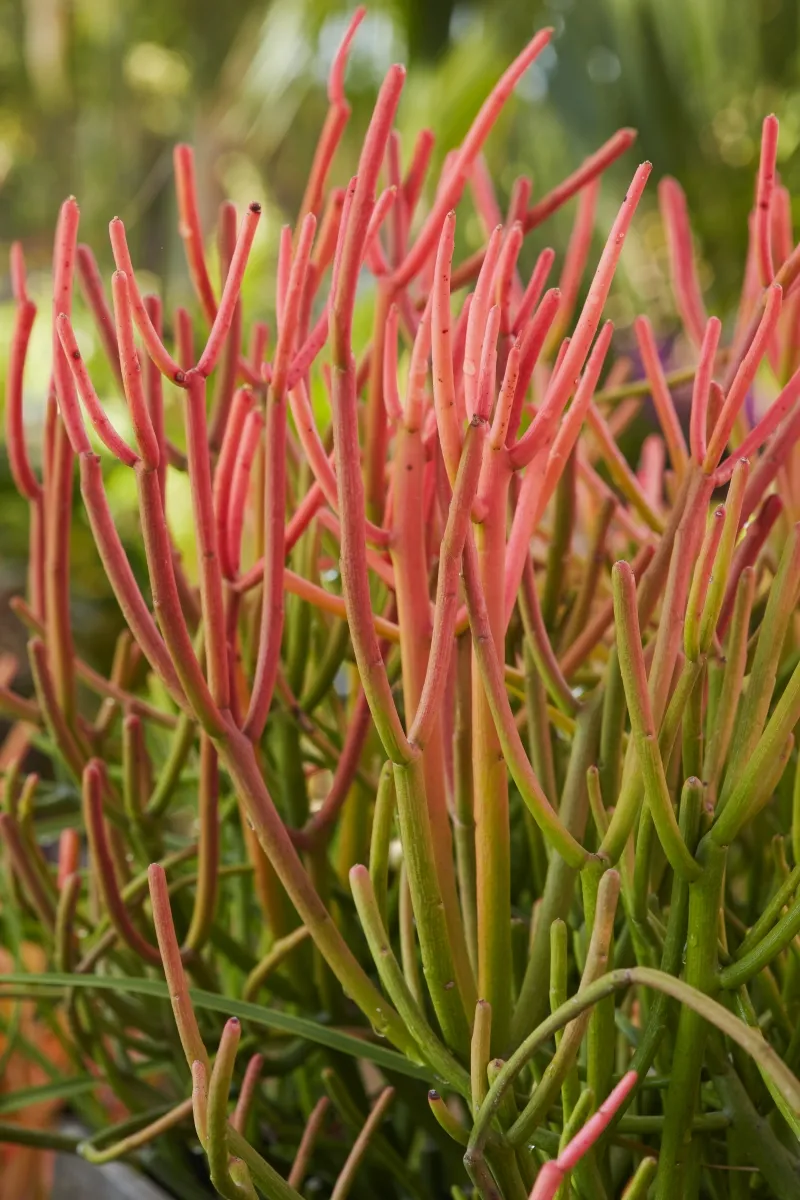
Color intensifies in winter on this shrubby euphorbia. Treelike form with time, great in containers.
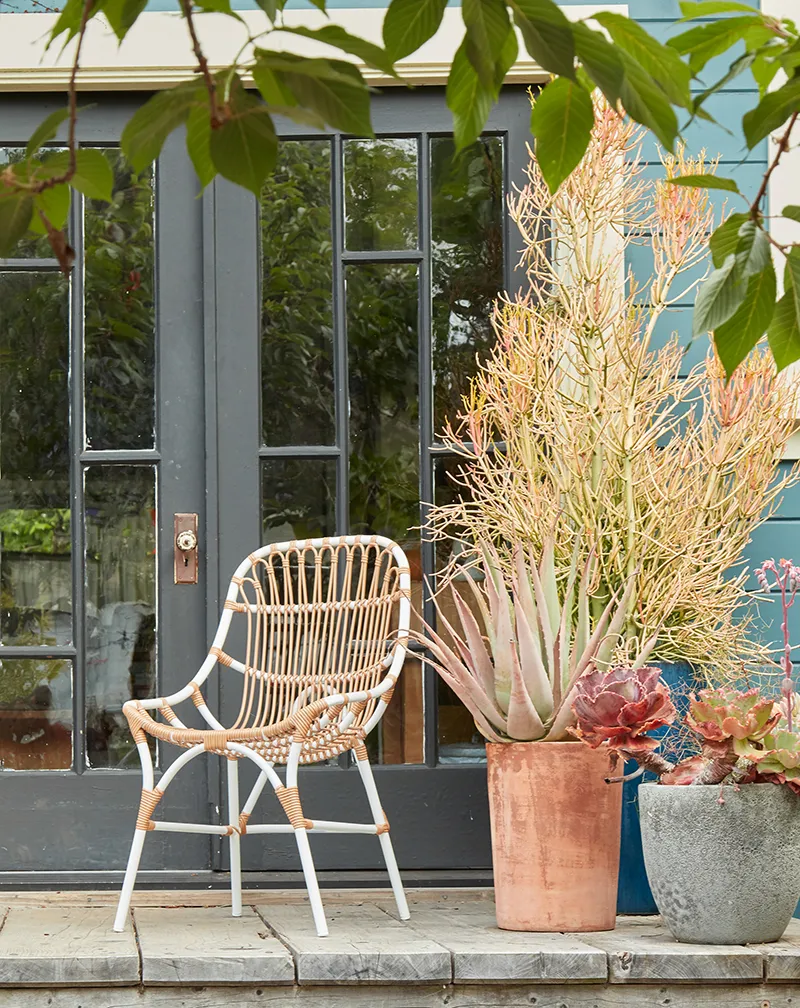
Seen in How to Grow Euphorbia as Houseplants →
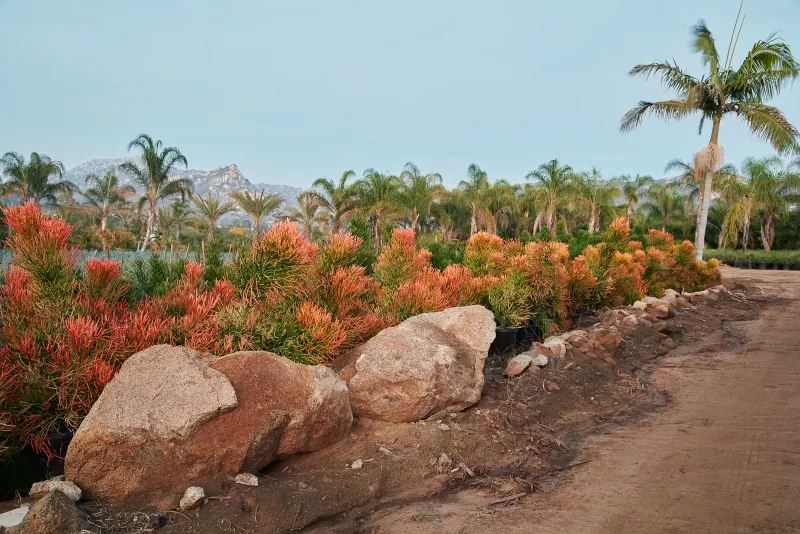
 Height | 6–12ft |
|---|---|
 Width | 3–6ft |
 Tolerates | Drought, Deer, Gophers, Heat, Pots, Rooftops, Salt, Wind |
 Water needs | Low |
This plant will need to be protected from getting both cold and wet. Do not add additional water during periods of winter rain. During winter it should be kept extra dry and will be intolerant of overwatering. In the San Francisco Bay Area, protect this plant from getting too much water by putting it in a small pot. When the plant it actively growing, it will like water. If you see your euphorbia begin to shrivel or lose firmness, your plant is likely totally dry and should be watered. For good healthy growth, your plant doesn't want to sit around totally dried out during its growing season. Once it is dry, water it. | |
 Hardy to | 30°F |
 Exposure | Part Sun – Full Sun |
 Plant traits | Rock Garden, Solitary, Succulent, Toxic Sap, Trunking |
 Indoor / outdoor | Outdoor |
 Drainage | In Ground: Cactus Mix, In Pots: Cactus Mix, Requires Perfect Drainage, Tolerates Sandy Soil |
 Fertilizing | All Purpose |
 Origin | Madagascar |
 California native | No |
 Sunset zones | 13, 17, 21–24 |
Growing Notes
Shrubby when young, with great age this plant is treelike.
Gophers and deer avoid this plant due to the toxic latex sap. It also irritates people, so avoid it and wash off skin quickly if exposed. Take extra precaution to keep the sap out of your eyes.
Prune lower branches to create a more treelike form, but avoid sap.
You may find your euphorbia develops hard brown scabs that eventually cover the cactus, especially on older growth. This is called corking, and is the natural process of the cactus 'branch' becoming a cactus 'stump' and getting bark, just like trees do. Corking is totally natural and adds to the beauty of your plant over time.
This plant tolerates a light frost, but tends to get blackened stems that will die back and need to be pruned off. Place in a protected microclimate if frost is expected.
Special Interest
Reliably a good indoor plant as well, and this plant easily transitions from outdoors into a warm sunny room inside. This is a great choice for a very hot indoor spot and will tolerate direct indoor sunlight.
Stories featuring this plant
Which store do you shop at?
The above information reflects the observations of Grubb and Nadler and our extended plant community. We always consider input from fellow horticulturists and welcome feedback from those with additional information on the culture of this plant.
© 2020–2026 Grubb and Nadler. All rights reserved.