
Euphorbia xanti
Baja spurge
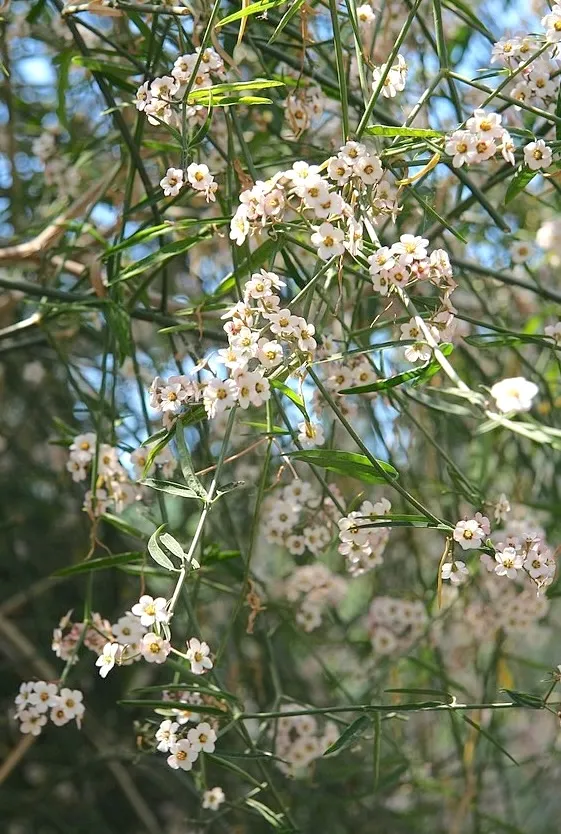
Airy succulent shrub billows with white-to-pink fragrant flowers; long bloom season. Spreads via underground rhizomes; release in the garden for a soft backdrop or contain in pots.
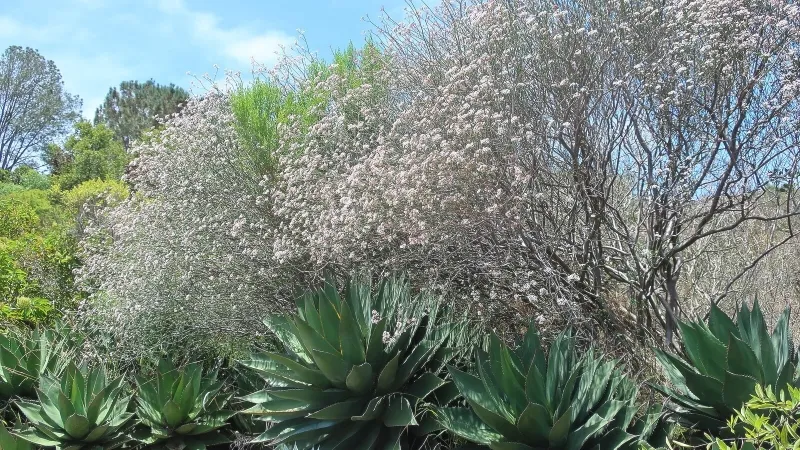
 Altura Altura | 3–6 pies |
|---|---|
 Ancho Ancho | 4–8 pies |
 Tolera Tolera | Costa, Sequía, Venados, Tuzas, Calor, Macetas, Azoteas, Descuido, Sal, Viento |
 Riego Riego | Bajo |
While this plant is very tough, and typically survives fine without water once established, it will look more lush given summer water a couple times a month. Withholding water will slow the spread of this plant, and as such can be one means of containing it. | |
 Resiste hasta Resiste hasta | 27 °F |
 Exposición Exposición | Pleno sol |
 Características Características | Caducifolia, Con flores, Flor fragante, Barrera visual, Arbusto, Extendida, Suculenta, Produce hijuelos, Savia tóxica |
 Interior / exterior Interior / exterior | Exterior |
 Drenaje Drenaje | En el suelo: mezcla para cactus, En maceta: mezcla para cactus, Tolera suelo arenoso |
 Fertilización Fertilización | Necesita poco |
 Origen Origen | Baja California, México |
 Nativa de California Nativa de California | No |
 Zonas Sunset Zonas Sunset | 16, 17, 19–24, H2 |
Notas de cultivo
Fast growing and quick to spread in the garden. Be sure to give it room to establish a good sized colony as containing its growth is compounded by the toxic sap which you should avoid (use gloves and safety glasses when pruning). Wash off skin quickly if exposed. The upside is that gophers and deer avoid Baja spurge for the same reason. This plant will also self sow in the garden, so be on the lookout for seedlings and weed them out if they land in an undesirable spot.
Baja spurge is deciduous, but unlike most plants that lose their leaves in the winter (to protect from cold weather) this plant estivates, losing its leaves during the summer when drought or high heat come on. This protects the plants water reserves in its desert home and is one of the reasons it is particularly drought tolerant.
Flowers can bloom nearly continuously under ideal conditions pushing out in winter and lasting through summer.
Enlaces
Esta información refleja las observaciones de Grubb and Nadler y de nuestra comunidad de amantes de las plantas. Siempre tomamos en cuenta las aportaciones de otros horticultores y agradecemos los comentarios de quienes tengan más información sobre el cultivo de esta planta.
© 2020–2026 Grubb and Nadler. Todos los derechos reservados.