
Fatsia japonica
Japanese aralia
Sparsely branching evergreen shrub for shade, containers, houseplant. Takes sun near coast. Bright green sparkle deepens to green in deep shade. Tropical look for cold gardens.
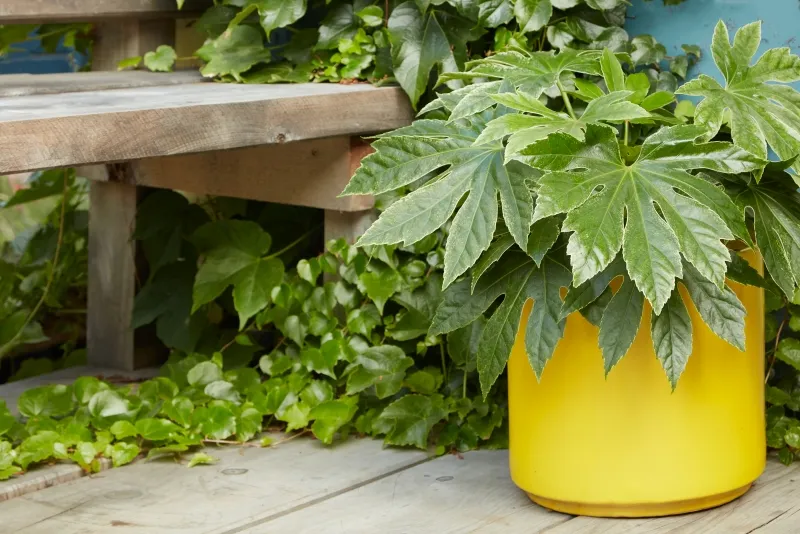
Seen in Flora Grubb’s New Home Garden →
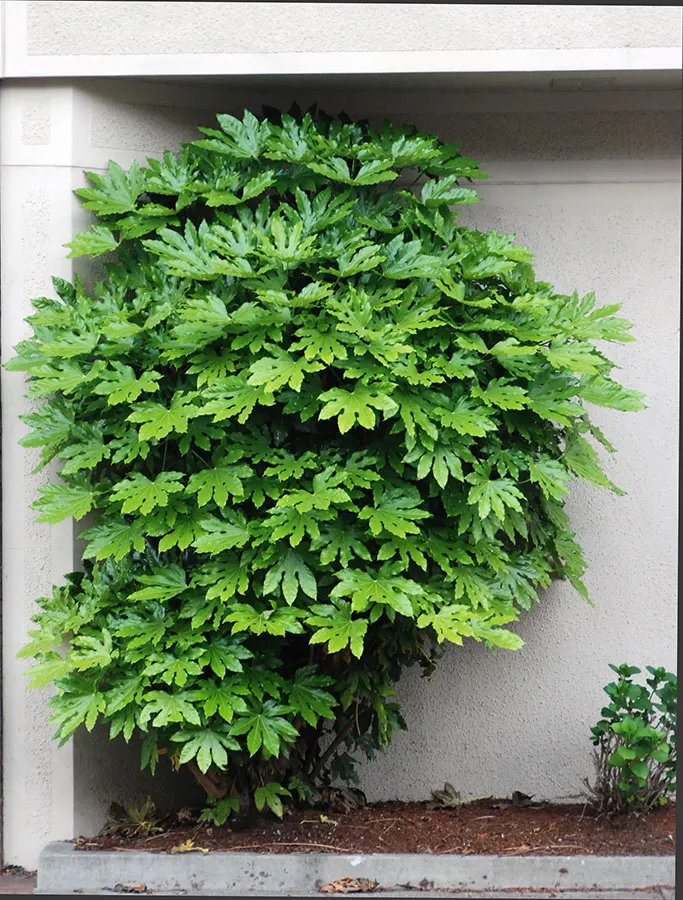
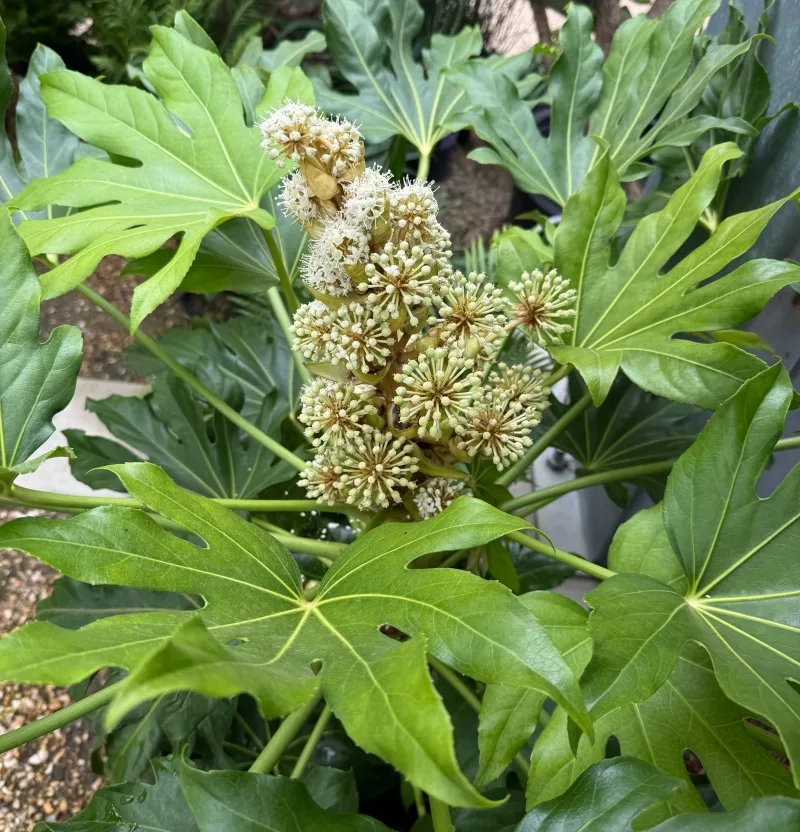
 Height | 3–10ft |
|---|---|
 Width | 2–6ft |
 Tolerates | Cold, Cool Summers, Fog, Pots |
 Water needs | Moderate |
Water this plant regularly, when the top inch or so of soil feels dry. If you establish this pattern over several years, then you can cut back to watering every week or two in dry weather. Use drippers, emitters, or a slow stream of water so that it doesn't run off; allow the water to trickle all the way down through the deepest layers of soil. In a pot slowly water the entire surface until water comes out of the bottom of your pot. | |
 Hardy to | 0°F |
 Exposure | Full Shade – Part Sun |
 Plant traits | Foliage Feature, Shrub, Solitary, Trunking |
 Indoor / outdoor | Outdoor |
 Drainage | In Ground: Planting Mix, In Pots: Potting Soil, Tolerates Heavy Soil, Tolerates Sandy Soil |
 Fertilizing | All Purpose |
 Origin | Japan |
 California native | No |
 Sunset zones | 4–9, 14–24, H2 |
Growing Notes
For a more open look thin out lower leaves, which are often held for a long time before cleaning falling off naturally over time. Prune them back to the trunk and let where they are attached to the trunk shed naturally over time.
Pruning berries before they fall can save time when doing your garden maintenance.
Stories featuring this plant
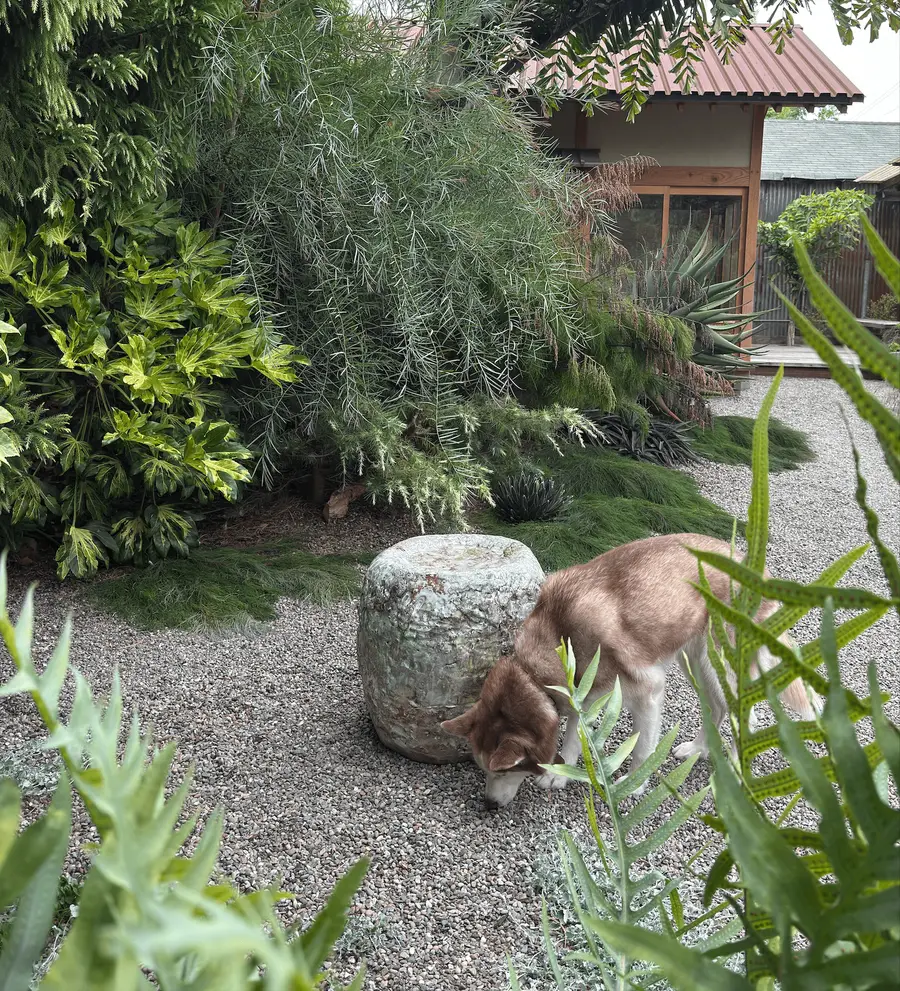 Garden storyFlora Grubb’s New Home GardenAbout twelve years ago, Flora Grubb, co-owner and co-founder of Flora Grubb Gardens, moved and began working on a new garden. No garden is ever finished, but Flora decided this garden is ready to share with you.
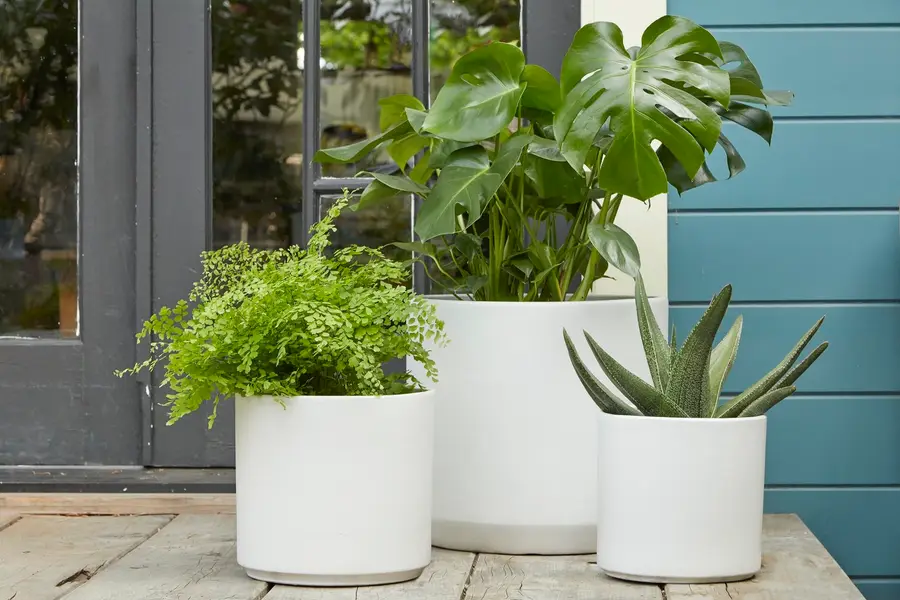 Garden storyCylinder Ceramic Pots and PlantersFlora Grubb Gardens offers a wide selection of cylinder ceramic pots and planters in various sizes and colors. We love these planters for their versatility and classic modern design. From bright yellows, soft pinks, to classic black and white, our cylinder pots and planters are a mainstay for any outdoor garden or indoor space.
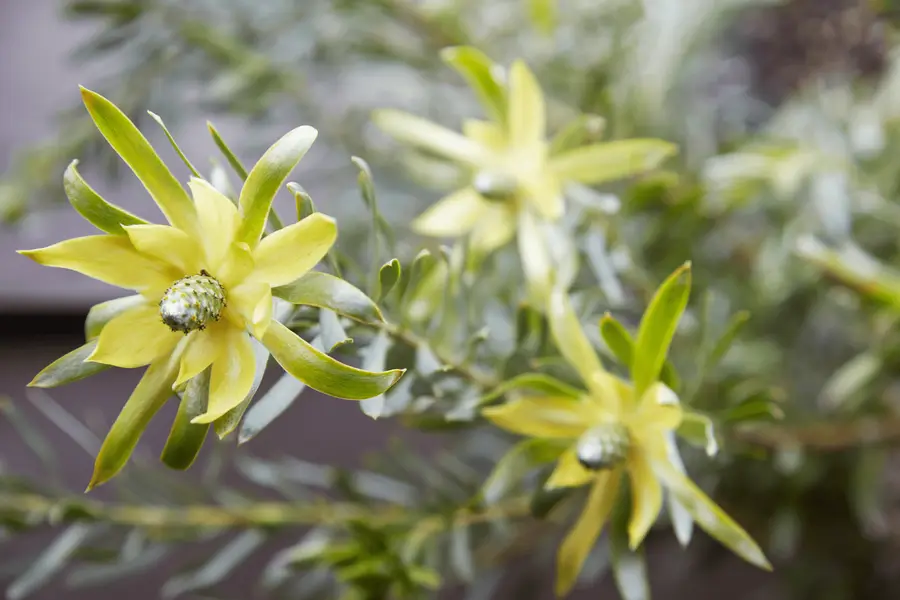 Garden storyBring it inside! Low-Maintenance Cutting Garden PlantsMany of us at Flora Grubb Gardens love to cut from our gardens to bring nature inside. This is the time of year when we celebrate mothers, so why not give Mom, or another nurturer in your life, a plant that will deliver bouquets in every season?
More Info
This plant was grown for an outdoor environment, so we do not recommend moving it inside. In general we do not recommend moving plants raised for an outdoor environment indoors.
This plant would make a good houseplant if it had been grown in a controlled greenhouse with houseplant soil. This 'greenhousing' ensures that plants who come home with you are well acclimated to indoor life, and also that they don't have any pests. It is common for outdoor plants to have other passengers as well, such as earthworms or centipides that don't necessarily hurt the plant, but aren't welcome indoors.
If you consider yourself an expert gardener, you can of course attempt to transition this plant indoors. In that case you'll want to strip all the soil from the rootball, wash the roots clean and then spray the entire plant (leaves, undersides of the leaves, all the cracks and roots) with a mix of one tablespoon of rubbing alcohol in a cup of water. Repot the plant in the appropriate sterile soil/pot and take extra care as it transitions to the indoors, especially looking for pests and treating at the first sign of problems. Always consider the risk that any bugs could also affect other houseplants you have nearby.
For some plants, we sell two versions: outdoor-grown and greenhouse-grown. If you're looking to grow this plant indoors, feel free to ask our staff if we have a greenhouse-grown version in stock!
Which store do you shop at?
The above information reflects the observations of Grubb and Nadler and our extended plant community. We always consider input from fellow horticulturists and welcome feedback from those with additional information on the culture of this plant.
© 2020–2026 Grubb and Nadler. All rights reserved.