
Graptopetalum paraguayense
ghost plant
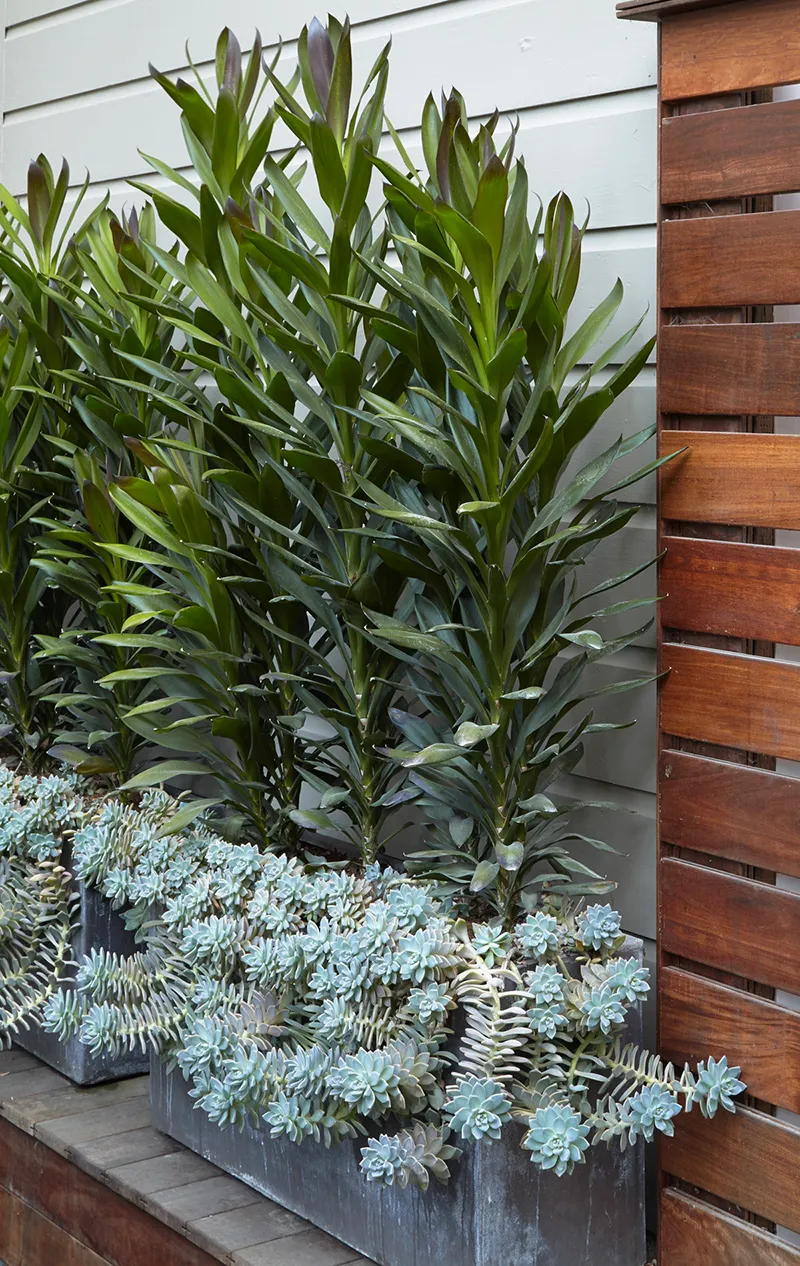
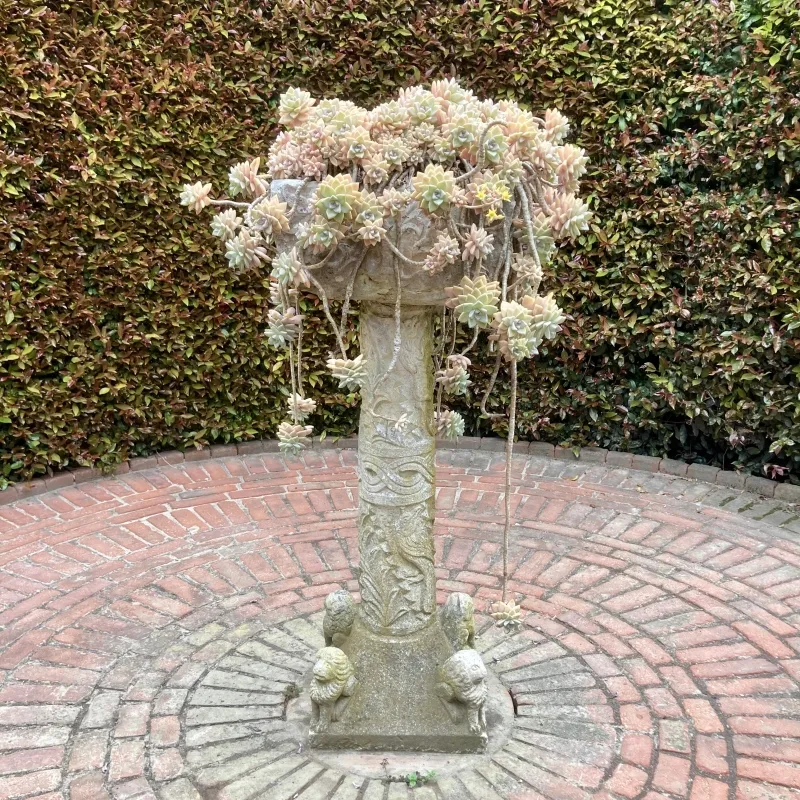
Blue-white succulent offsets and scrambles into a small groundcover. Peachy color with sun. Can spill over pots for hanging effects over time.
 Altura Altura | 6–12 pulg. |
|---|---|
 Ancho Ancho | 2–3 pies |
 Tolera Tolera | Frío, Sequía, Calor, Macetas |
 Riego Riego | Bajo |
This succulent likes to be fully saturated and then go totally dry before the next watering; you risk rotting the roots if you water while there is significant moisture in the soil. Keep an eye on the leaves, if they begin to shrivel the plant is ready for water. If the plant is in a small pot it will be heavy when well watered and lighter when it's ready for a drink. Remember your watering schedule will depend on the size of the pot (smaller pots needing more frequent watering) and environmental factors such as the season, weather, humidity and exposure. Don't leave succulents in standing water, such as a saucer, for more than a day. | |
 Resiste hasta Resiste hasta | 20 °F |
 Exposición Exposición | Sombra parcial – Pleno sol |
 Características Características | Extendida, Suculenta, Produce hijuelos |
 Interior / exterior Interior / exterior | Exterior |
 Drenaje Drenaje | En el suelo: mezcla para cactus, En maceta: mezcla para cactus, Tolera suelo arenoso |
 Fertilización Fertilización | Uso general, Necesita poco |
 Origen Origen | Noreste de México |
 Nativa de California Nativa de California | No |
 Zonas Sunset Zonas Sunset | 9, 12–24 |
Notas de cultivo
If the roots rot out this plant is easy to save. Cut the stem and prune back to healthy green tissue, then let the cutting sit for a week in a cool dry shady place. Next plant the cutting in a fast draining mix and return it to normal wet-to-dry watering. You can also propagate healthy plants in this way, and the bottom will send out new leaves from the base where it was pruned.
This plant is easily cultivated from single leafs. Just snap off a leaf and place it on consistently damp but not soggy potting soil. Once it's rooted transfer it to cactus mix and begin a wet-to-dry watering schedule.
Interés especial
The genus graptopetalum originates from greek. Graptos meaning 'written' and petalon meaning 'petal'. This refers to the unusual markings on flowers common to this genus.
Enlaces
Esta información refleja las observaciones de Grubb and Nadler y de nuestra comunidad de amantes de las plantas. Siempre tomamos en cuenta las aportaciones de otros horticultores y agradecemos los comentarios de quienes tengan más información sobre el cultivo de esta planta.
© 2020–2026 Grubb and Nadler. Todos los derechos reservados.