
Haworthia cooperi
Soft jewel-like succulent has glowing translucent leaf windows. Porcelain white flowers on tall spikes. Clustering and great in pots.
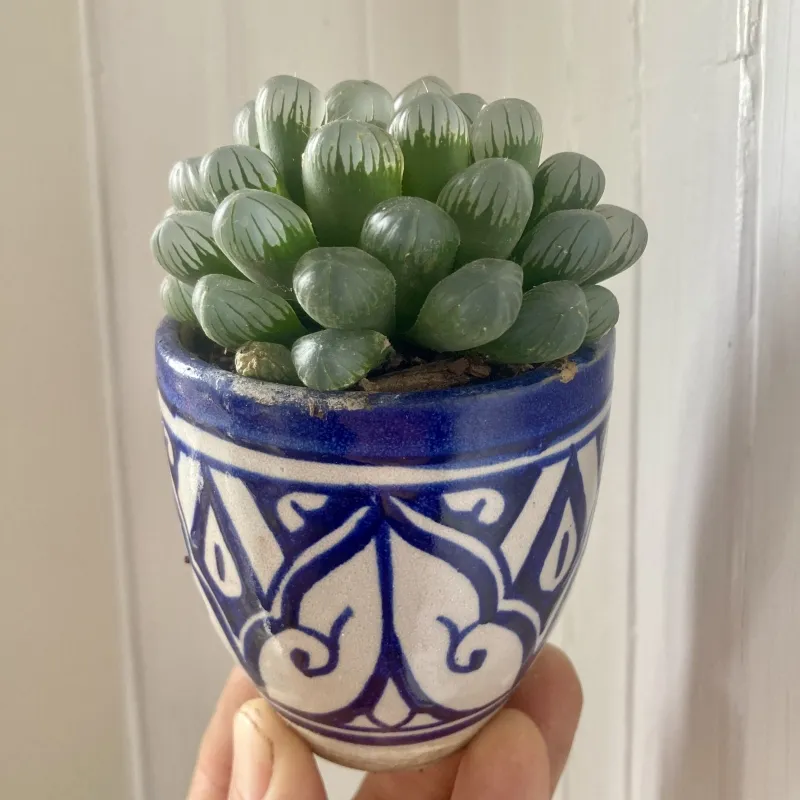
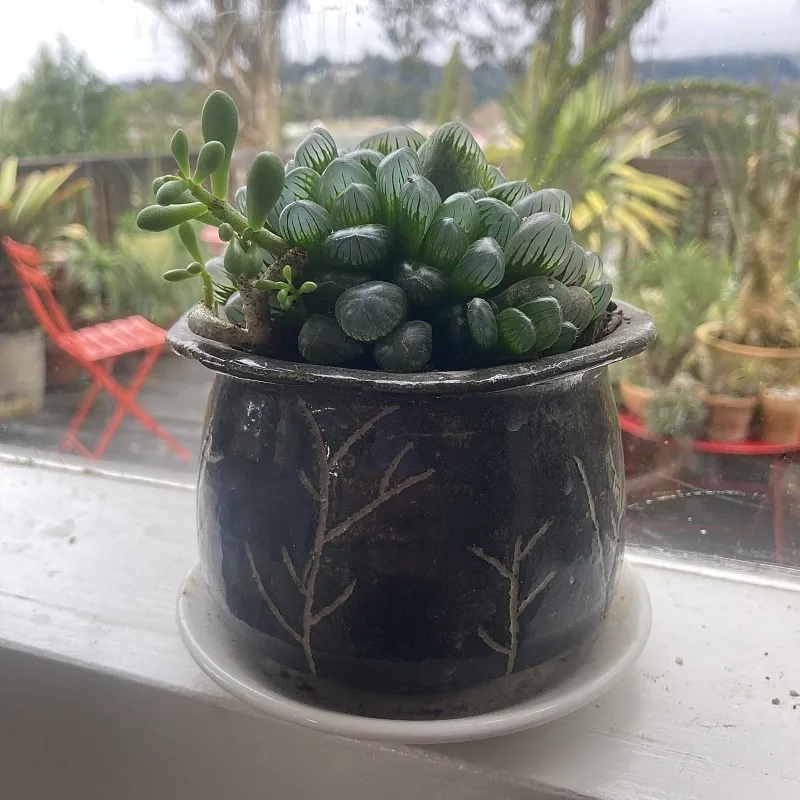
 Mature size | 5–7in tall 5–7in wide |
|---|---|
 Exposure | Full Shade – Part Sun |
 Hardy to | 26°F |
 Sunset zones | 13, 15–17, 19–24 |
 Water needs | Low Haworthias are some of the most drought-tolerant succulents, especially in some shade, where they perform better than most other succulents. They will look more lush and vibrant with bi-weekly summer water, or more if they're planted in the sun or in smaller pots. If you see your leaves shriveling, or if the bottom leaves are drying up, your plant likely needs water. This one is fairly tolerant of overwatering errors. |
 Tolerates | Drought, Heat, Pots, Neglect, Wind |
 Plant traits | Rock Garden, Succulent, Suckering |
 Drainage | In Ground: Cactus Mix, In Pots: Cactus Mix, Tolerates Sandy Soil |
 Fertilizing | All Purpose, Low Needs |
 Origin | E South Africa |
Growing Notes
Pull off older flower spikes once they are completely dry.
Exceptional choice for pots, even very small ones.
This haworthia offsets from the base, creating a small colony over time. Once a pup is established with its own roots, they are easily divided and repotted.
One grower reports that if left in a tiny pot root bound for many years many leaves in the crown will suddenly appear to die off. Once the leaves shed easily the plant sends up new pups where the previous leaves were. A curios growth strategy we have not seen before.
Special Interest
Keep an eye out on your flowers as haworthia often set keikis—small pups dangling from the flower spike—that can be replanted once the flower spike begins to wane.
The 'windows' of this plant are a fascinating adaptation. In habitat the plant grows with the leaf mostly underground, and only its windows exposed right at soil level. This allows sunlight to penetrate the leaf which photosynthesizes from the inside! In this way the plant gets a large surface area to photosynthesize with, but only a very small surface area exposed to the elements. Many succulent windows will illuminate if you shine a light in them, or place them in a window where they can be backlit.
What we've learned from growing this plant ourselves and in our customers' gardens. We always love to hear more. Tell us
© 2020–2026 Grubb and Nadler. All rights reserved.