
Alocasia ‘Calidora’
elephant ear
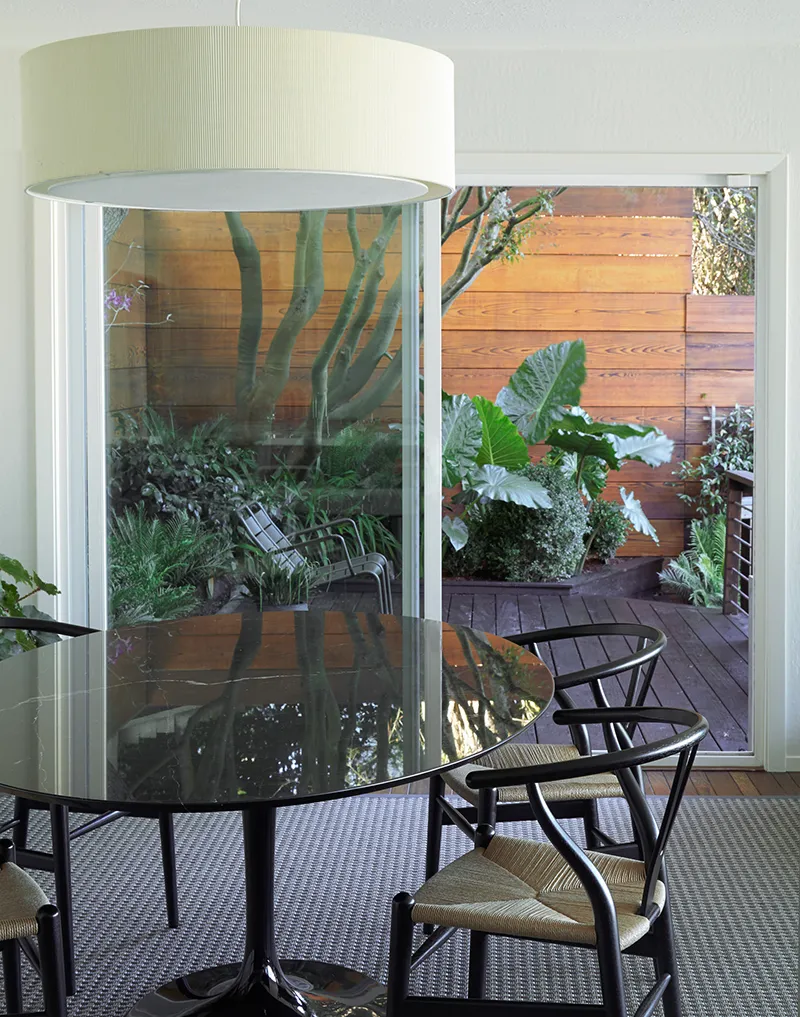
Funnel shaped elephant ear is evergreen in mild areas, grows back from frost but not hard freeze. Stout stem in time. Nice in pots or moist garden spots.
 Altura Altura | 3–9 pies |
|---|---|
 Ancho Ancho | 3–5 pies |
 Tolera Tolera | Calor, Suelo húmedo, Macetas |
 Riego Riego | Moderado – Alto |
Appreciates water, and can even grow in marginal pond areas or pots placed in a water feature. Also grows well with the top layer of soil drying out in the garden or a pot, but withholding water more will give you less leaves that are smaller and smaller. If it goes too dry the entire crown of leaves will slowly falter and disapear, but they often return with the addition of consistent water. Elephant ears express a fascinating plant trait called guttation. This is when excess water within the plant is pushed through pores at the ends (or sides) of the leaves, most frequently at night. This isn't a sign of distress, but may be problematic over hardwood floors and should be monitored. This will usually soon after watering. | |
 Resiste hasta Resiste hasta | 27 °F |
 Exposición Exposición | Luz indirecta moderada – Luz directa parcial |
 Características Características | Acuática, Forma matas, Follaje vistoso, Escultural, Tropical |
 Interior / exterior Interior / exterior | Interior |
 Drenaje Drenaje | En el suelo: mezcla para plantar, En maceta: tierra para macetas, Tolera suelo pesado |
 Fertilización Fertilización | Uso general |
 Origen Origen | Híbrido |
 Nativa de California Nativa de California | No |
 Zonas Sunset Zonas Sunset | 17, 22–24 |
Notas de cultivo
Cleanly sheds lower leaves over time, exposing a neatly textured grey trunk. Older leaves can be removed to keep a more upright form, or if they receive physical damage.
Protect from wind, or high traffic areas as leaves are particularly sensitive to unsightly damage.
If you choose to grow this plant in a water feature be sure to add extra drainage, planting in equal parts cactus mix and pumice.
Interés especial
Each leaf can be six feet long and three feet wide on exceptional specimens.
Esta información refleja las observaciones de Grubb and Nadler y de nuestra comunidad de amantes de las plantas. Siempre tomamos en cuenta las aportaciones de otros horticultores y agradecemos los comentarios de quienes tengan más información sobre el cultivo de esta planta.
© 2020–2026 Grubb and Nadler. Todos los derechos reservados.