
Kalanchoe bracteata
silver teaspoons
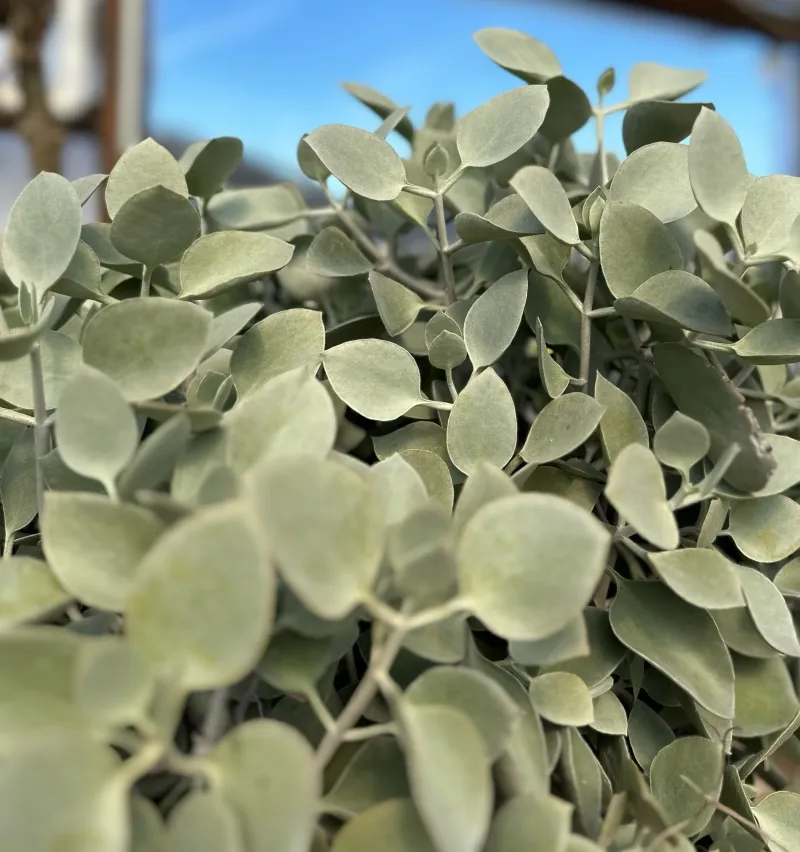
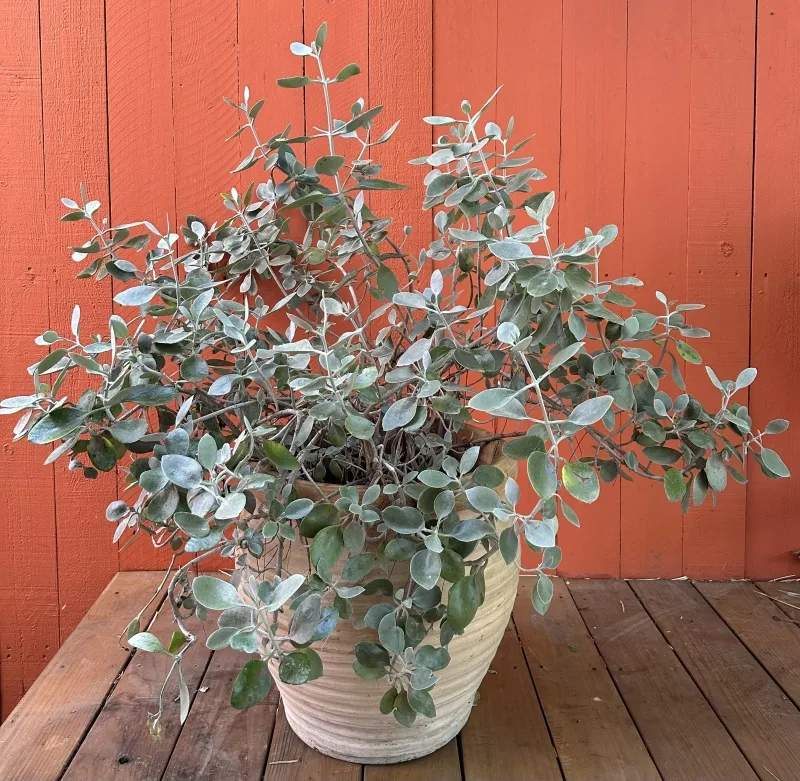
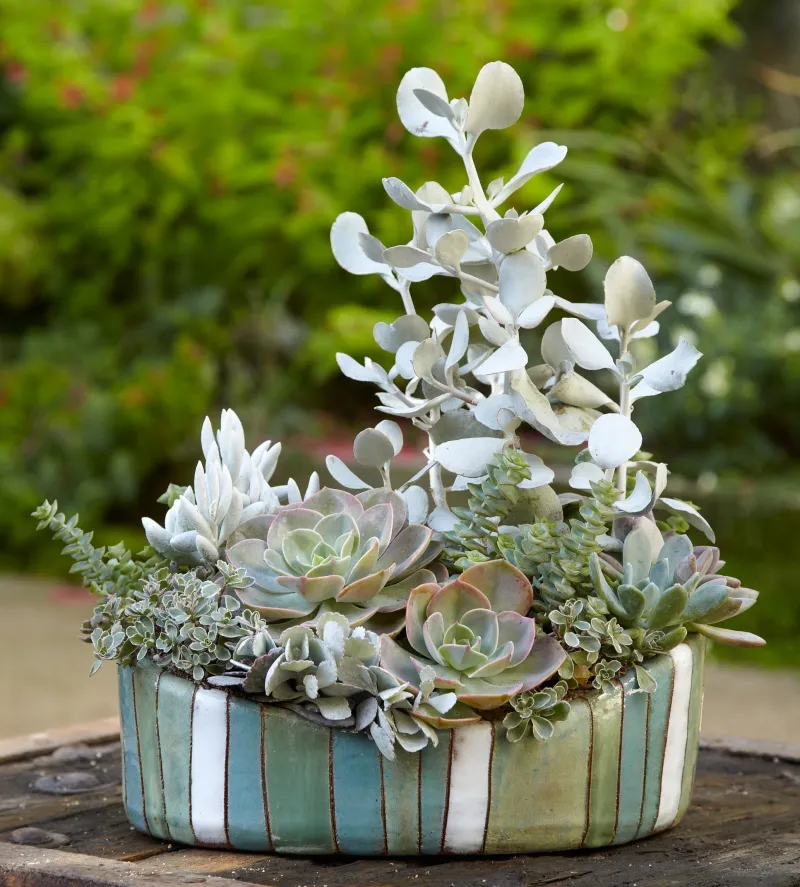
This shrubby silver succulent gives a hot crackling display of many burnt-red flowers. Early pruning or annual tip pinching creates a bushier form. Appreciates more water during summer.
 Height | 2–4ft |
|---|---|
 Width | 2–4ft |
 Tolerates | Drought, Heat, Pots, Rooftops |
 Water needs | Low – Moderate |
Silver teaspoons is from arid areas of Madagascar's spiny forest and as such likes to go totally bone dry between waterings, making it very low-maintenance. To get good healthy growth your plant does not want to sit around totally dried out during its growing season. Once it is dry, water it. This plant comes from an area with summer rainfall and is actively growing during that time, when it is forgiving of overwatering errors. During winter dormancy it should be kept extra dry and will be intolerant of overwatering. Remember that if kept in a small pot your plant will want more frequent watering. | |
 Hardy to | 28°F |
 Exposure | Part Sun – Full Sun |
 Plant traits | Flowering, Mounding, Rock Garden, Succulent |
 Indoor / outdoor | Indoor or Outdoor |
 Drainage | In Ground: Cactus Mix, In Pots: Cactus Mix, Tolerates Sandy Soil |
 Fertilizing | All Purpose |
 Origin | SE Madagascar |
 California native | No |
 Sunset zones | 13, 16, 17, 21–24, H2 |
Special Interest
Often the most silver plants, like this one, have evolved their color to reflect sunlight in harsh desert climates. As such this plant is incredibly durable in a hot sunny spot. If planted in more shade the silvery tone becomes less apparent.
Often confused with Kalanchoe hildebrandtii, which comes from a similar area of Madagascar but has greenish white flowers.
Which store do you shop at?
The above information reflects the observations of Grubb and Nadler and our extended plant community. We always consider input from fellow horticulturists and welcome feedback from those with additional information on the culture of this plant.
© 2020–2026 Grubb and Nadler. All rights reserved.