
Leucadendron argenteum
silver tree
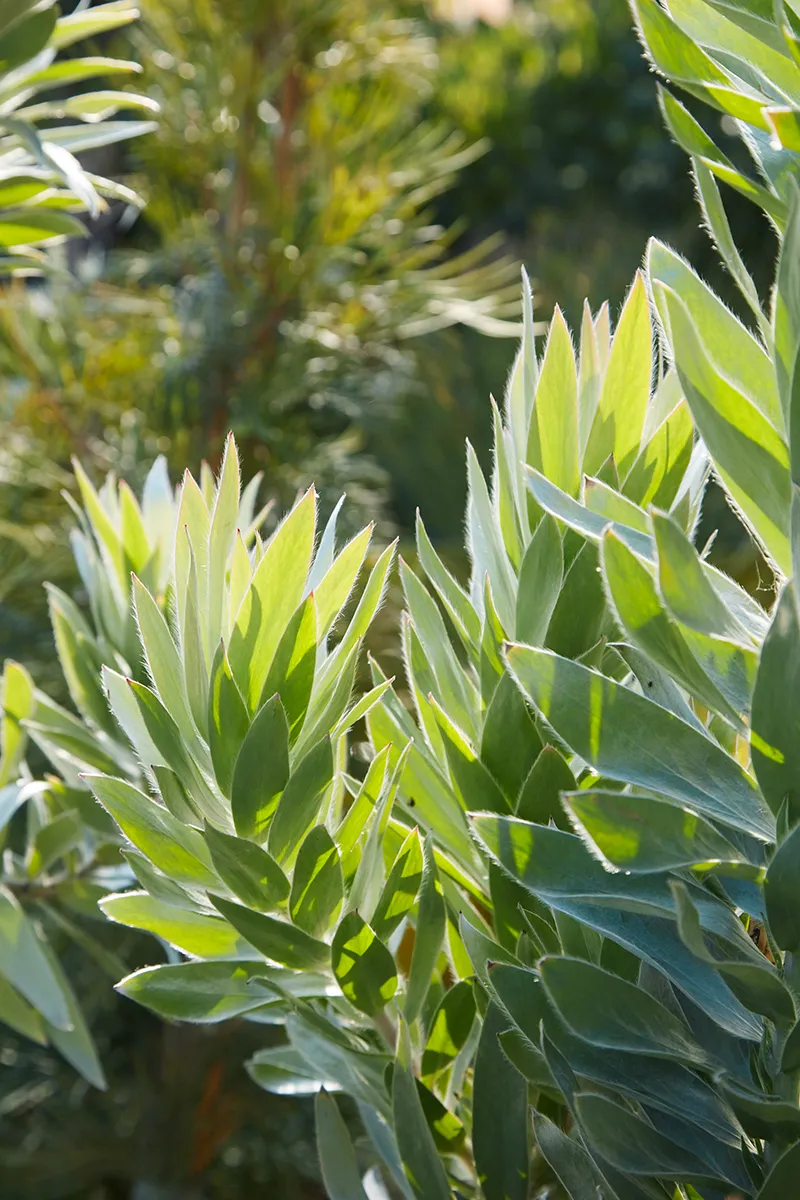
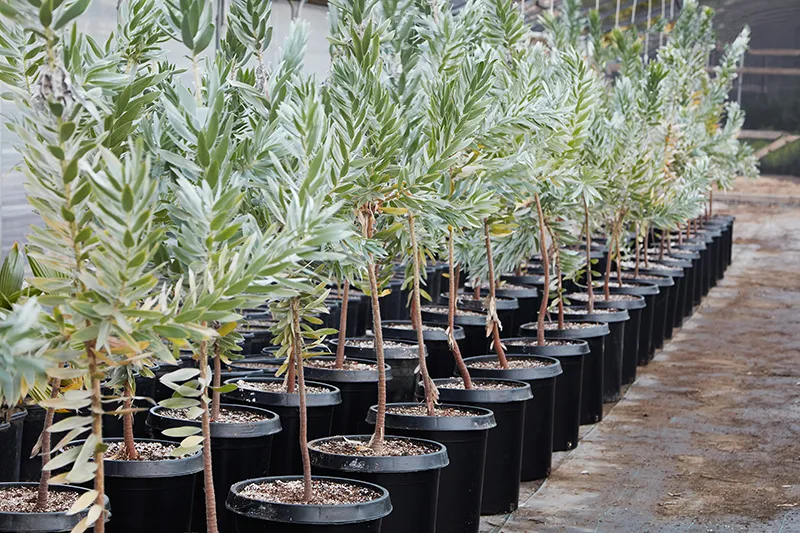
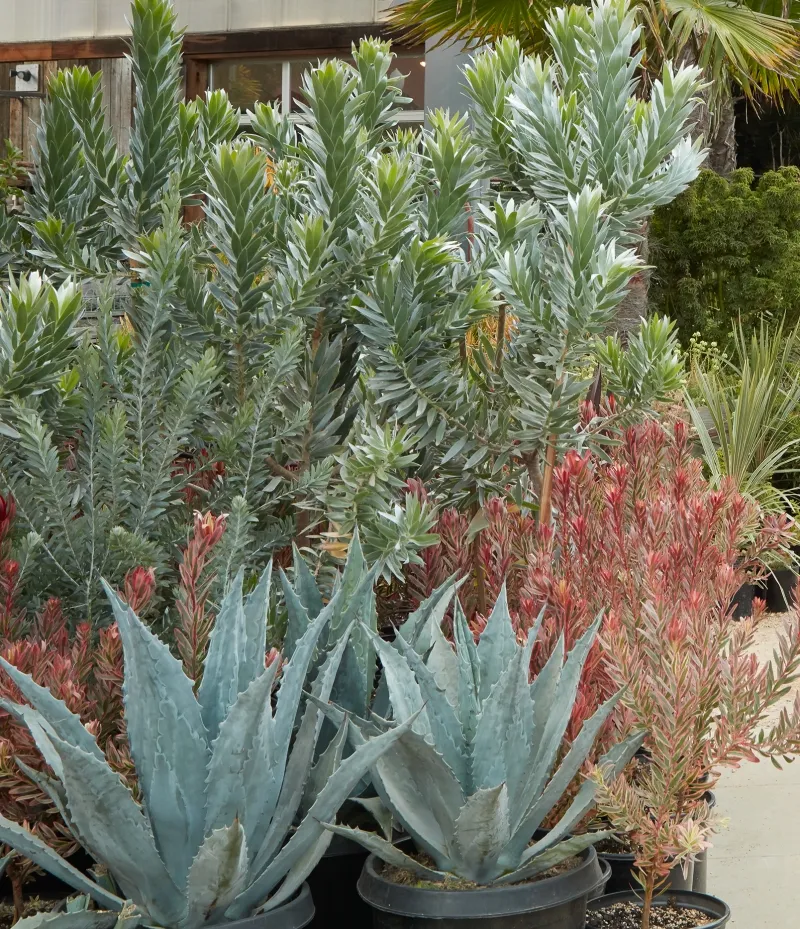
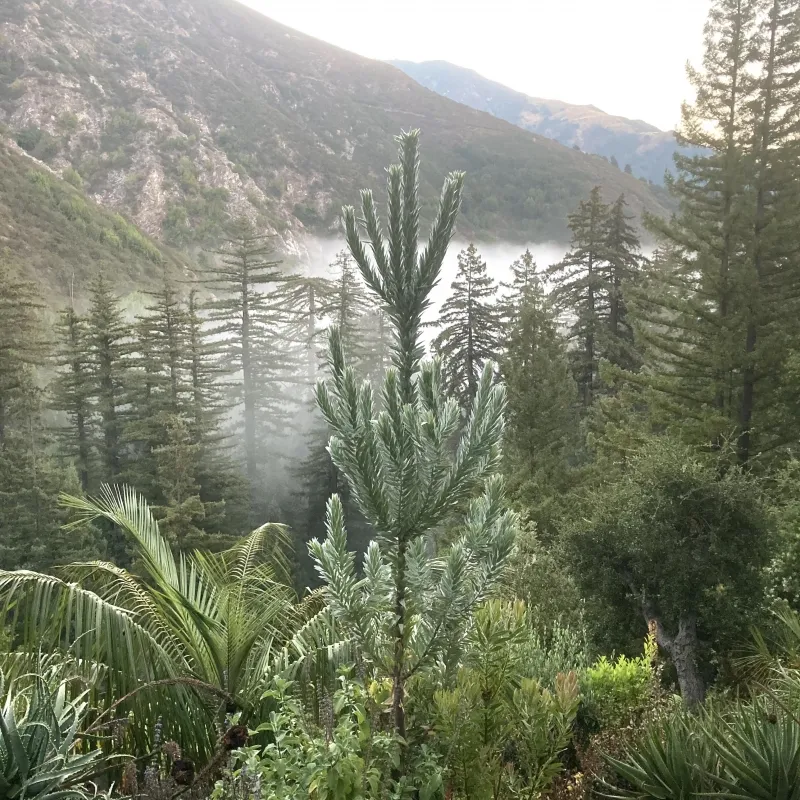
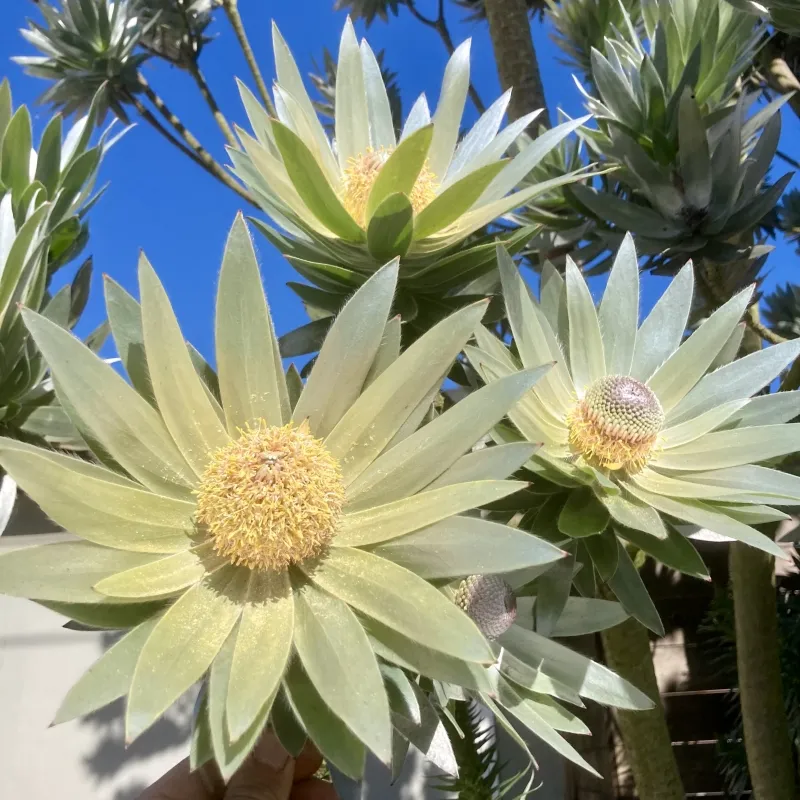
The largest Leucadendron. Fast-growing, shimmering soft silver tree, is upright and loves coastal California sand and grit. Refrain from fertilizing. Plant in well-drained soil.
 Altura Altura | 20–30 |
|---|---|
 Ancho Ancho | 6–12 pies |
 Tolera Tolera | Costa, Veranos frescos, Neblina, Viento |
 Riego Riego | Bajo |
L. argenteum responds well to watering every couple weeks during the summer (once established) if it has perfect drainage. This can't be stressed enough this plant wants to be in sand or grit! When planted in loamy soil (or even clay) it often grows well for five to ten years and then drops out during a wet winter, probably because the roots have grown too deep where water persists. If planted in heavy soil amend deeply with pumice or lava rock, water infrequently during summer once established. Consider planting another tree in the garden in a different area after five years and replant as needed so you always have one cycling through. Even in nature this is a short lived tree, living to around twenty years. | |
 Resiste hasta Resiste hasta | 25 °F |
 Exposición Exposición | Sombra parcial – Pleno sol |
 Características Características | Follaje vistoso, Barrera visual, Escultural, Arbusto, Árbol |
 Interior / exterior Interior / exterior | Exterior |
 Drenaje Drenaje | Requiere drenaje perfecto, Tolera suelo arenoso |
 Fertilización Fertilización | Emulsión de pescado, Necesita poco, Sin fósforo |
 Origen Origen | Suroeste de Sudáfrica |
 Nativa de California Nativa de California | No |
 Zonas Sunset Zonas Sunset | 16, 17, 22–24 |
Notas de cultivo
A quit fast growing tree, even without fertilizer. Expect a 25 foot tall tree in eight years or so.
Silver trees appreciate a mildly acidic soil with a PH of 6.5 or less. If your soil is alkaline you should amend the soil with cotton seed meal to lower your PH.
Silver trees like a mild climate, thriving in temperatures above freezing and below eighty degrees Fahrenheit, though they will tolerate colder and hotter temperatures briefly.
Pruning is generally unnecessary as the silver tree naturally has a beautiful upright form. If a thinner form is needed you can prune on the last years growth to keep the tree narrow. If a more treelike form is desired thin lower branches as the tree grows.
We have heard of one silver tree successfully transplanted, but the general understanding is that the roots of the tree should never be damaged, which can lead to fungal infection. Don't disrupt the roots when planting, don't plant other plants nearby later that would require you to harm the roots and transplant only as a last resort.
Interés especial
Leucadendron argenteum is aptly named with argenteum meaning silver.
Makes a good cut foliage feature for floral arrangements.
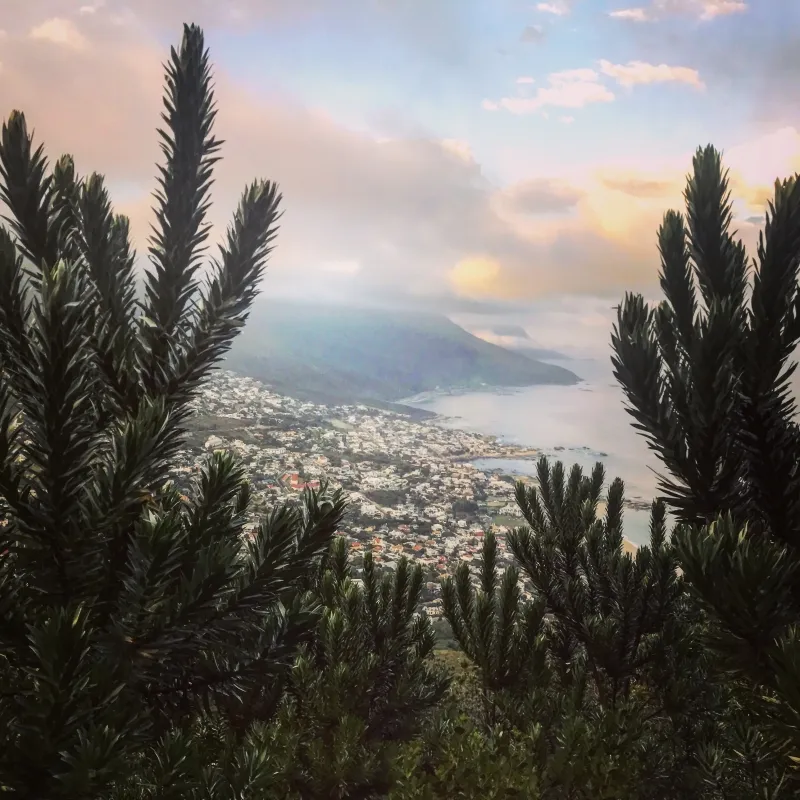
Endangered in the wild, with less than a thousand trees left, this tree grows only on Table Mountain, above Cape Town in South Africa. It is on decline there due to the introduction of Phytophthora fungus, fire suppression, and urban sprawl. Predictions are that it will be extinct in the wild by 2050.
Enlaces
Esta información refleja las observaciones de Grubb and Nadler y de nuestra comunidad de amantes de las plantas. Siempre tomamos en cuenta las aportaciones de otros horticultores y agradecemos los comentarios de quienes tengan más información sobre el cultivo de esta planta.
© 2020–2026 Grubb and Nadler. Todos los derechos reservados.