
Philodendron ‘Hope’
Growing it outdoors
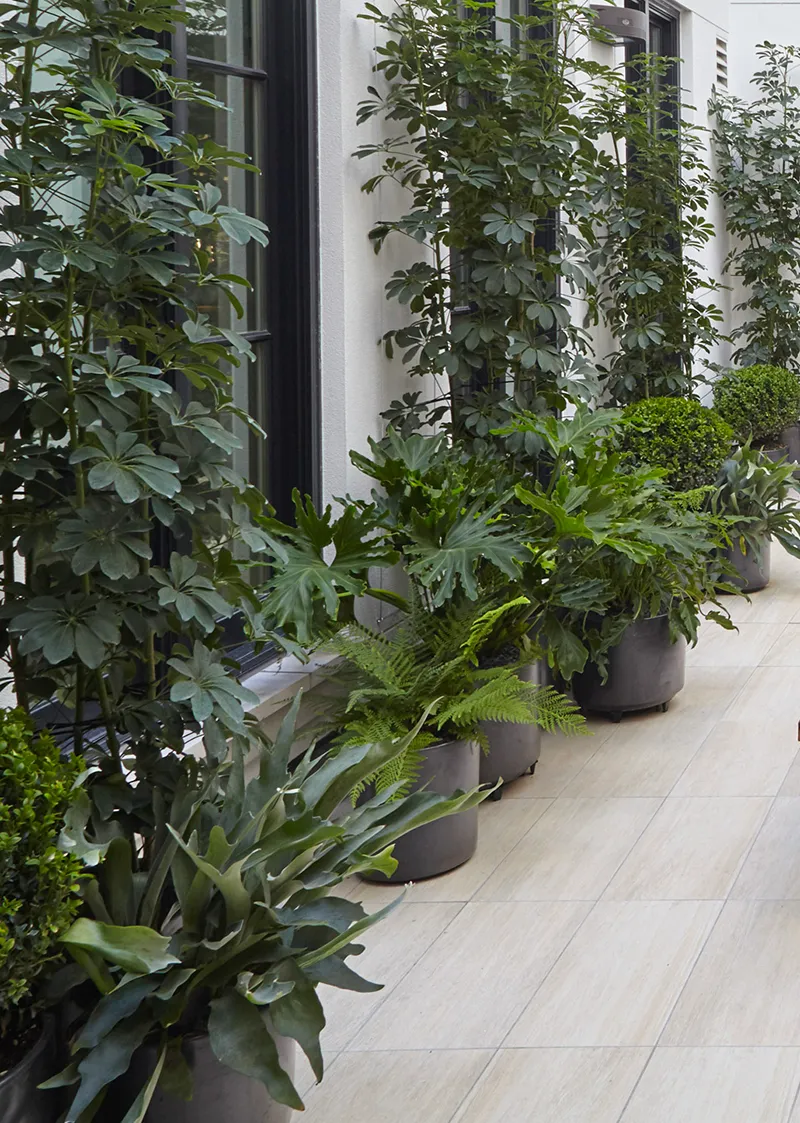
Prime tropical foliage. Drought-tolerant in shade once well established. Broad leaf form.
 Height | 3–5 |
|---|---|
 Width | 3–6 |
 Tolerates | Heat, Pots |
 Water needs | Moderate |
Philodendrons are more tolerant of drought than their tropical appearance would suggest. Once they're established outdoors, they can even survive in a shady spot without additional water, though the leaves will be fewer and smaller, giving them a little crown instead of a big lush crown. To keep them looking their best, give them water every week or two once established, or more if they are inland or in some sun. Indoors this plant wants water when the top of the soil is dry, but you can still feel moisture just below the surface. This plant will often fall into a once-a-week watering cycle, but remember that your watering should be based on the moisture left in the soil, which will depend partly on the moisture in the room and the weather outside. The soil surface goes a bit deeper for larger pots; for example, a plant in a 14-inch diameter pot should dry out a couple of inches deep before you water it, while a plant in a 4-inch pot will only want to dry out in the top half inch or so of soil. Drooping leaves or a small crown with dwarfed leaves are signs of underwatering. | |
 Hardy to | 25°F |
 Exposure | Part Sun – Part Shade |
 Plant traits | Foliage Feature, Shrub, Tropical |
 Drainage | In Ground: Planting Mix, In Pots: Potting Soil |
 Fertilizing | All Purpose |
 Origin | Hybrid |
 California native | No |
 Sunset zones | 9, 12–24, H2 |
Growing Notes
Philodendron leaves will cleanly shed from the trunk once they are no longer of use to the plant, leaving a textured trunk reminiscent of octopus suction cups.
Many philodendrons have aerial roots that help them attach to structures in nature, and they add an interesting element to the plant, but they can also be removed without disturbing the plant in the least. If you want, you can lean the plant against a plank, tree or wall and watch it attach itself.
Generally philodendrons are thought of as shade plants, but they can also tolerate a surprising amount of direct sunlight, especially if they are near the coast.
Growing it indoors
| Height | 1–5ft |
|---|---|
| Width | 3–6ft |
| Water needs | When soil surface is dry. |
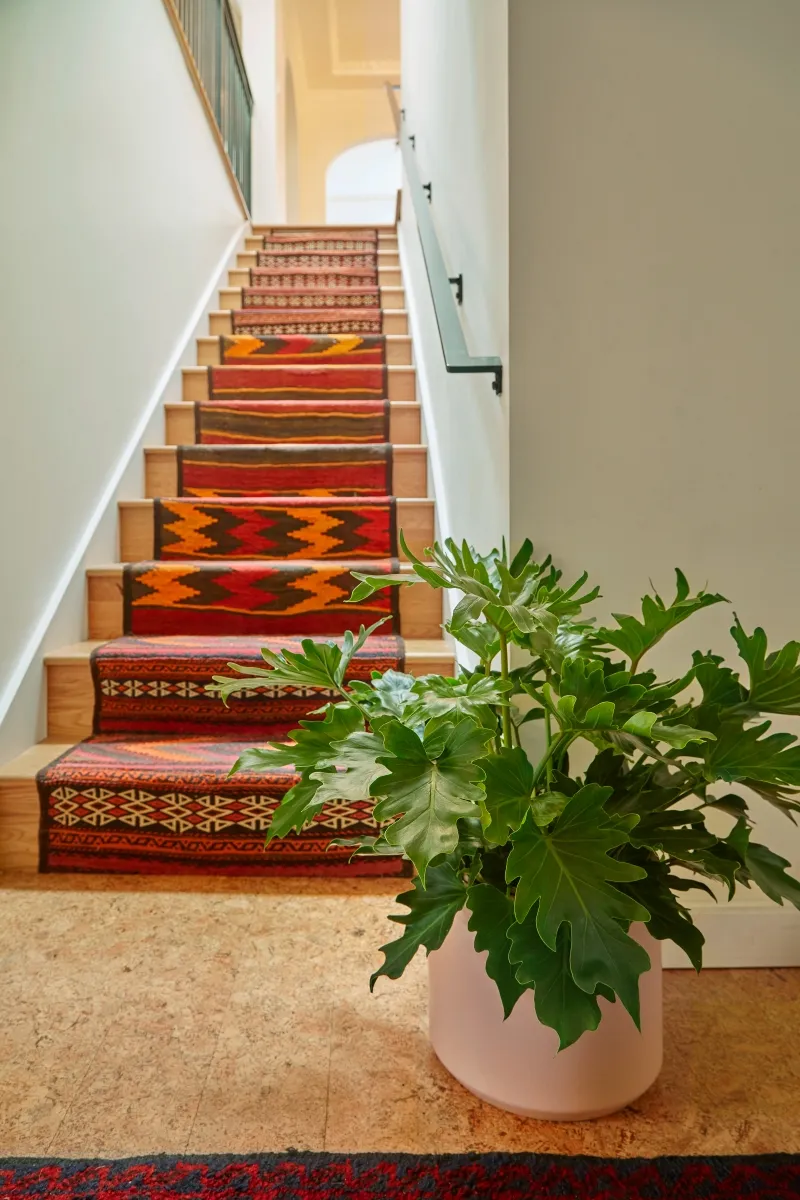
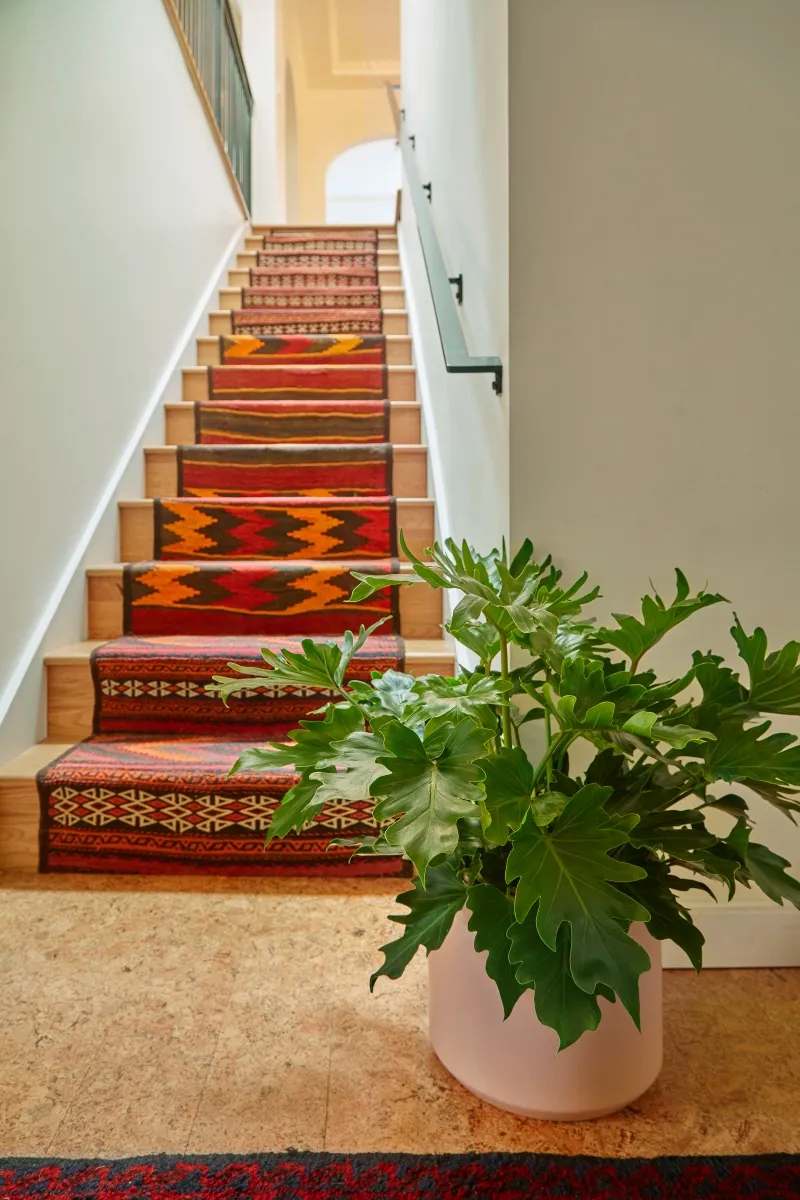
Indoors philodendrons want water when the top of the soil is dry, but you can still feel moisture just below the surface. This plant will often fall into a once-a-week watering cycle, but remember that your watering should be based on the moisture left in the soil, which will depend partly on the moisture in the room and the weather outside. The soil surface goes a bit deeper for larger pots; for example, a plant in a 14-inch diameter pot should dry out a couple of inches deep before you water it, while a plant in a 4-inch pot will only want to dry out in the top half inch or so of soil. | |
| Exposure | Bright Indirect – Partial Direct |
| Plant traits | Foliage Feature, Shrub, Tropical |
| Drainage | In Pots: Potting Soil |
| Fertilizing | All Purpose |
| Origin | Hybrid |
Growing Notes
This philodendron stays squat with a rounded wide form, making it an easy low maintenance option. Papery leaf sheaths at the base of each leaf are easily pulled off once a leaf matures for those who can not resist plucking at their plants!
This plant has aerial roots that grow along its trunk. In nature these help to secure the plant, which is often growing in very little soil. Some people feel they add character, while others see them as a distraction from this plants true beauty. If you are one of the latter don't worry about pruning off the roots as removing them won't affect the health of your plant.
Which store do you shop at?
Special Interest
Purportedly the roots of philodendron can travel up to sixty feet away from the plant! This may explain why they are more drought tolerant than they look. If you have other water nearby, it's likely your philodendron will find it.
Philodendrons are excellent dry-stack rock wall candidates, where their aerial roots meander in the rock cracks, holding up the wall and adding interest.
Stories featuring this plant
More Info
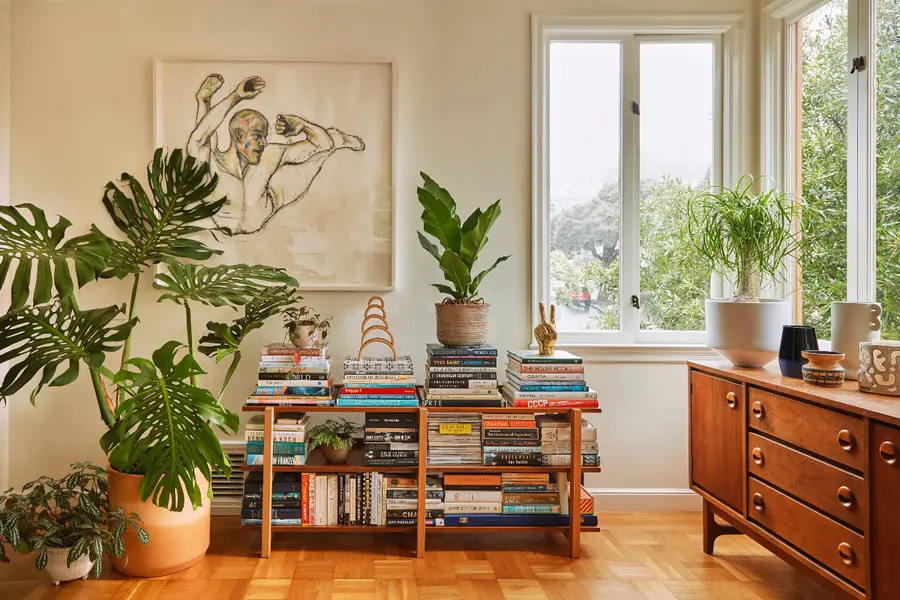
This plant has been raised to live indoors; however, it can also grow outdoors in mild areas of California. Keep in mind that the plant will go through a stressful transition, especially if moved outside in particularly hot, cold, or wet weather. Even if this plant will eventually thrive in direct sunlight, it has not been grown in this level of light, so if you plant it in direct sun, just expect that the leaves may burn at first, then happily regrow as they acclimate to the new levels of light. Planting in the spring or fall will help with this transition.
The above information reflects the observations of Grubb and Nadler and our extended plant community. We always consider input from fellow horticulturists and welcome feedback from those with additional information on the culture of this plant.
© 2020–2026 Grubb and Nadler. All rights reserved.