
Philodendron selloum
lace tree philodendron
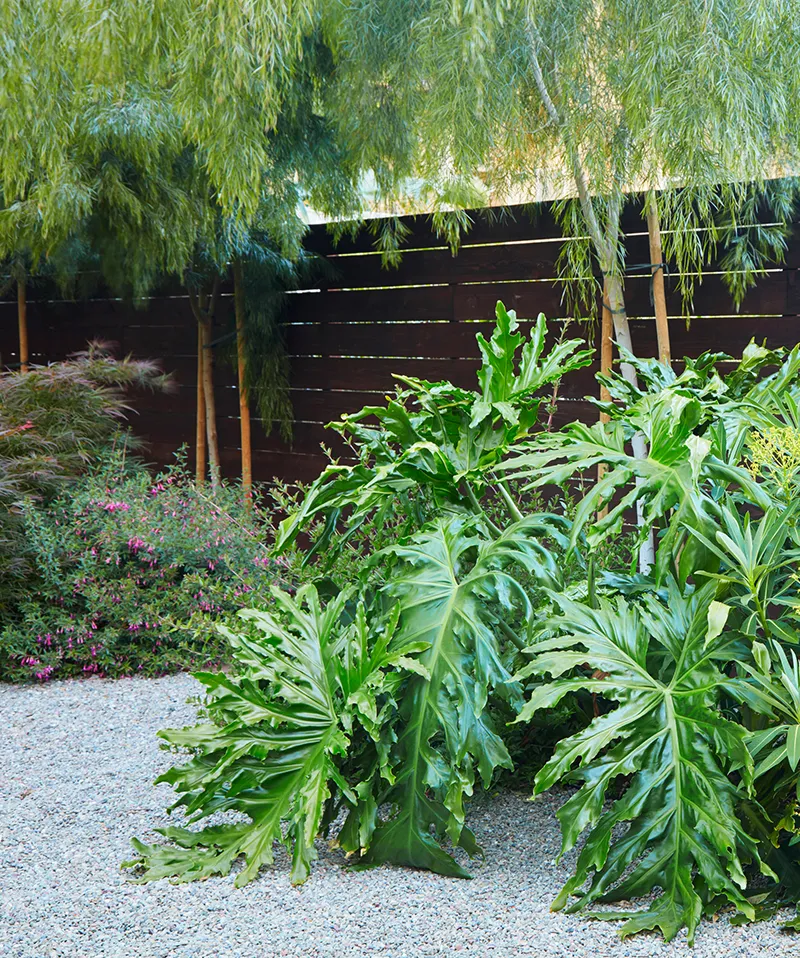
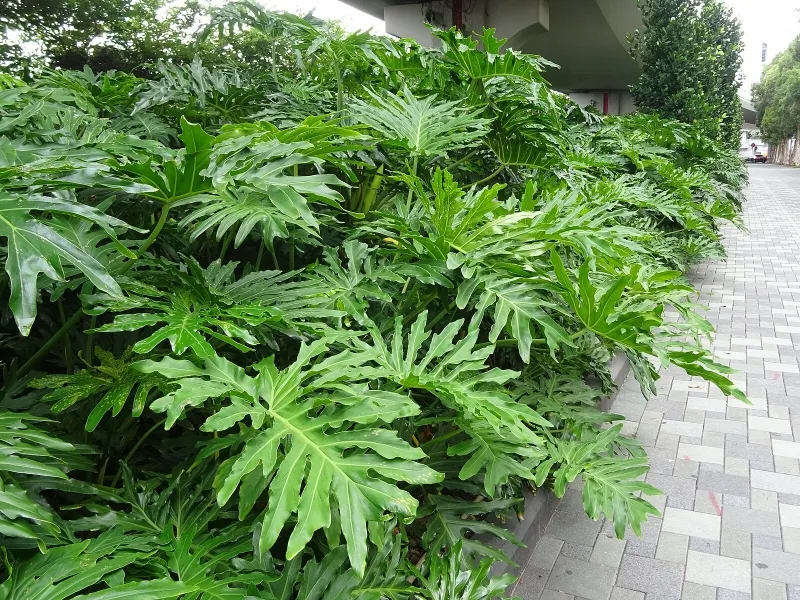
Prime tropical foliage shrub. Drought-tolerant in shade once well established. Loves pots. Place at base of wall to encourage climbing by clinging roots.
 Height Height | 4–10 |
|---|---|
 Width Width | 6–10ft |
 Tolerates Tolerates | Heat, Pots |
 Water needs Water needs | Moderate |
Philodendrons are more tolerant of drought than their tropical appearance would suggest. Once they're established, they can even survive in a shady spot without additional water, though the leaves will be fewer and smaller, giving them a little crown instead of a big lush crown. To keep them looking their best, give them water every week or two once established, or more if they are inland or in some sun. Drooping leaves or a small crown with dwarfed leaves are signs of underwatering. | |
 Hardy to Hardy to | 25°F |
 Exposure Exposure | Part Sun – Part Shade |
 Plant traits Plant traits | Foliage Feature, Shrub, Tropical |
 Indoor / outdoor Indoor / outdoor | Outdoor |
 Drainage Drainage | In Ground: Planting Mix, In Pots: Potting Soil |
 Fertilizing Fertilizing | All Purpose |
 Origin Origin | South America |
 California native California native | No |
 Sunset zones Sunset zones | 9, 12–24 |
Growing Notes
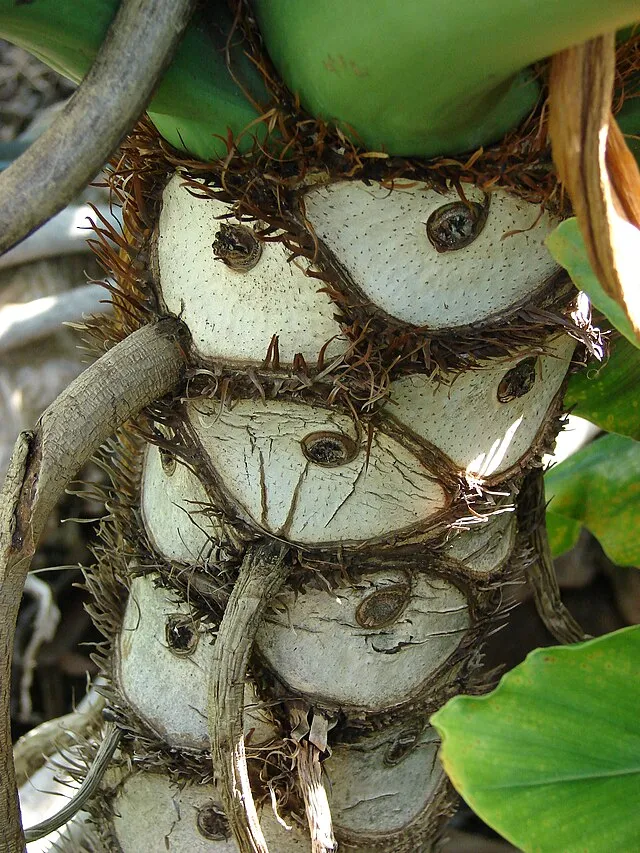
Philodendron leaves will cleanly shed fron the trunk once they are no longer of use to the plant, leaving a textured trunk reminiscent of octopus suction cups.
Many philodendrons have aerial roots that help them attach to structures in nature, and they add an interesting element to the plant, but they can also be removed without disturbing the plant in the least. If you want, you can lean the plant against a plank, tree or wall and watch it attach itself.
Generally philodendrons are thought of as shade plants, but they can also tolerate a surprising amount of direct sunlight, especially if they are near the coast.
Special Interest
Purportedly the roots of philodendron can travel up to sixty feet away from the plant! This may explain why they are more drought tolerant than they look. If you have other water nearby, it's likely your philodendron will find it.
Philodendrons are excellent dry-stack rock wall candidates, where their aerial roots meander in the rock cracks, holding up the wall and adding interest.
Links
The above information reflects the observations of Grubb and Nadler and our extended plant community. We always consider input from fellow horticulturists and welcome feedback from those with additional information on the culture of this plant.
© 2020–2026 Grubb and Nadler. All rights reserved.