
Phoenix canariensis
Canary Island date palm
California's most common large palm. Dramatic heirloom plant. Orange fruit. Seaside to desert conditions. Drought-tolerant by coast. Vulnerable to fatal fusarium wilt disease & palm weevil.
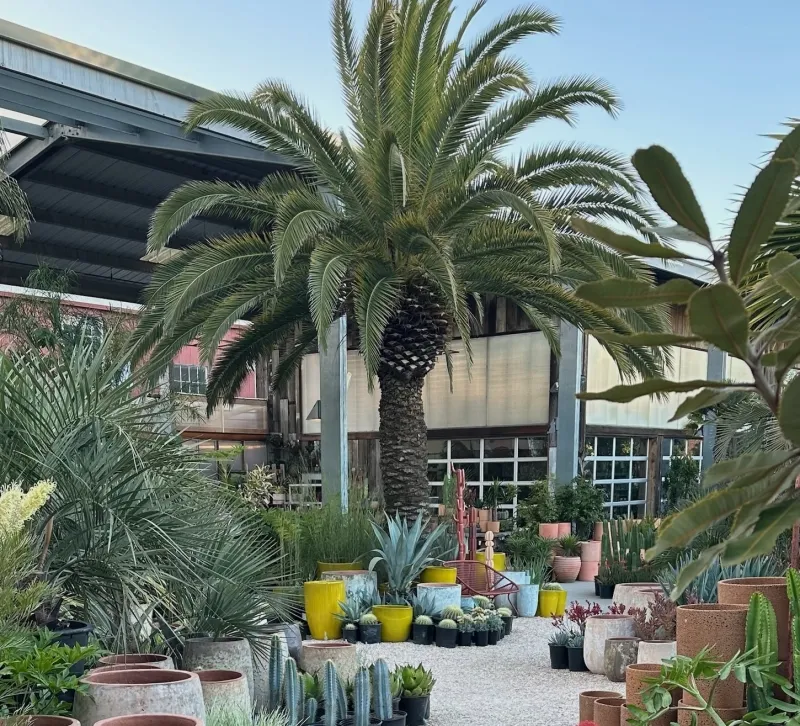
Seen in Palms for Tight Spaces →
 Height | 20–60 |
|---|---|
 Width | 12–25 |
 Tolerates | Coast, Cold, Cool Summers, Drought, Fog, Heat, Pots, Neglect, Wind |
 Water needs | Low – Moderate |
Not all palms love water! This one is actually drought-tolerant and can live quite happily on little or no water once it's established, though it'll grow more slowly and may not look as lush. To keep your palm looking its best, be sure to water it consistently and deeply while it's getting established, then after a few years give it a good deep soaking every couple of weeks. It will also be happy to have more water, provided the soil drainage is adequate. | |
 Hardy to | 20°F |
 Exposure | Full Shade – Full Sun |
 Plant traits | Ornamental Fruit, Palm, Solitary |
 Indoor / outdoor | Outdoor |
 Drainage | In Ground: Cactus Mix, In Pots: Cactus Mix, Tolerates Sandy Soil |
 Fertilizing | Palm Fertilizer |
 Origin | Canary Islands |
 California native | No |
 Sunset zones | 8, 9, 12–24, H1, H2 |
Growing Notes
We no longer offer this wonderful plant because it's vulnerable to dying from fusarium wilt disease, a fungal infection that has killed thousands. It is also vulnerable to a palm weevil that has begun to kill trees in the San Diego area.
Palms are generally heavy feeders, so if you want them growing quickly and looking their best, they should be fertilized at least three times a year. Fertilizing at spring equinox, summer solstice and fall equinox will allow for a winter rest. Be sure to feed your palm with a fertilizer that contains micronutrients (especially including magnesium), especially if you see yellowing leaves or yellow spots on the leaves.
Once leaves get older and begin to droop and brown cut them back as close to the trunk as possible. Be sure use sterilized tools as this palm is susceptible to fusarium wilt which can be spread through pruning a diseased palm. Once a Canary palm begins to die from fusarium, presenting as crisping leaves starting from the bottom of the crown, there is no recovery. Every five to ten years you may opt to have a professional arborist clean up the trunk to maintain the iconic Canary shape.
This solitary palm will grow only one trunk during its lifetime. If you have a pot with multiple trunks in it, that's because multiple separate palm trees were germinated in the pot. The good news is that you won't need to thin out suckers over time to maintain the number of trunks you started out with. Generally, due to its scale and form, this palm looks best as a single specimen.
Yellowing leaves are a symptom of either too much water, not enough drainage, or a lack of nutrients.
Young plants can live in containers for many years.
Special Interest
This palm anchors the oasis-style garden, especially when it's mixed with cactus and other drought-tolerant plants like euphorbias. It also makes a compelling addition to the Mediterranean garden when mixed with lavender, rosemary, and olives.
Stories featuring this plant
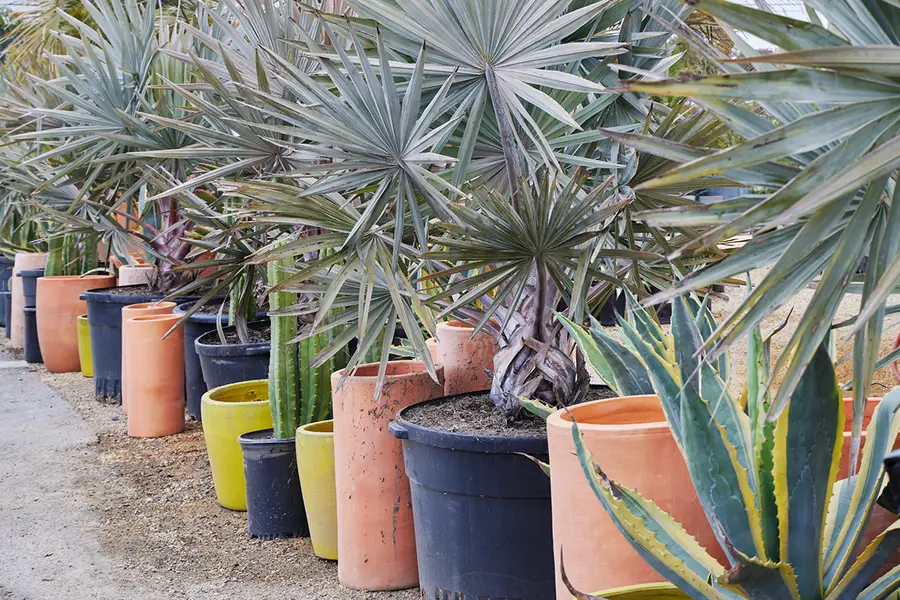 Garden storyPalms for Tight SpacesThere are many challenges when planting a garden, including considering damage to retaining walls, sidewalks, foundations, and underground utilities. Often the easiest way to overcome these tricky spots is planting small plants that won’t have a large impact on nearby infrastructure. But what if you need a larger, more substantial element?
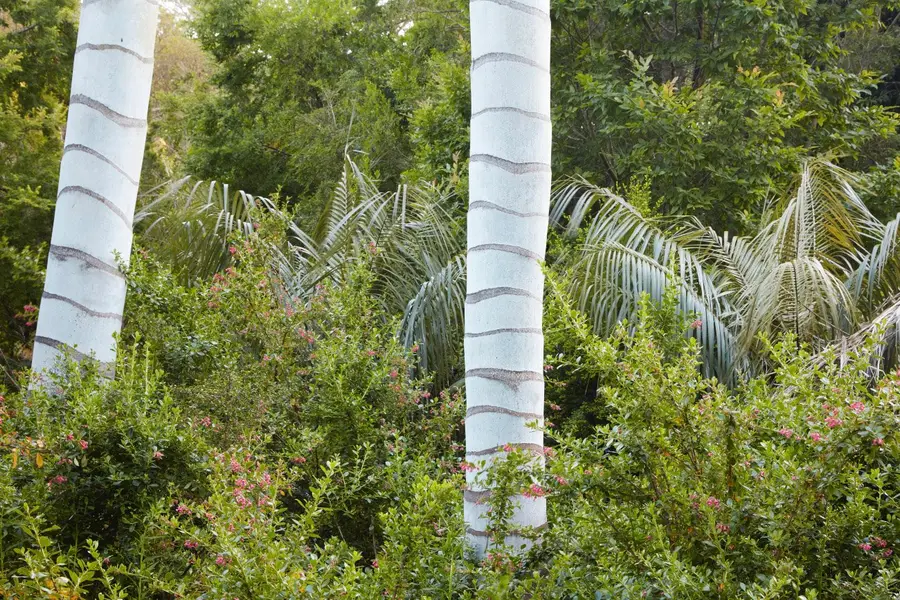 Garden storyRare and Elegant Parajubaea PalmsParajubaea is a genus of palms with graceful crowns of swaying, silver-backed fronds and edible nuts. The two species that we grow down at Grubb & Nadler come from seasonally dry, cool mountain valleys on the western slope of the Andes in Bolivia. This is probably why they thrive in California, while struggling in other palm paradises like Hawaii and Florida.
The above information reflects the observations of Grubb and Nadler and our extended plant community. We always consider input from fellow horticulturists and welcome feedback from those with additional information on the culture of this plant.
© 2020–2026 Grubb and Nadler. All rights reserved.