
Sabal minor
dwarf palmetto
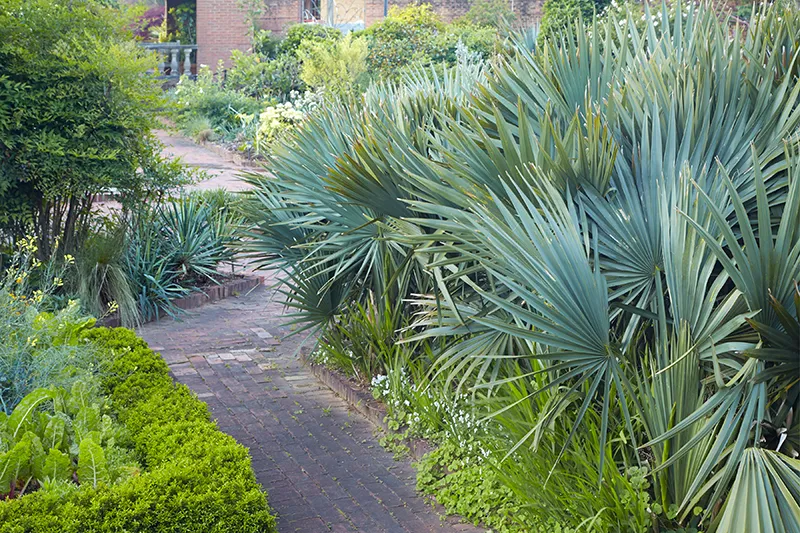
Excellent foliage plant is useful for lush under-plantings or backdrops. Never gets a tall upright trunk. Among the hardiest of palms for those living in colder climates.
 Altura Altura | 2–5 |
|---|---|
 Ancho Ancho | 2–5 |
 Tolera Tolera | Frío, Calor, Suelo húmedo, Macetas, Sal, Viento |
 Riego Riego | Moderado – Alto |
As it grows along swampy waterways, this palm thrives in very wet places. It also tolerates moderate water, but is not drought tolerant and will get brown tips if under-watered. This palm should be watered deeply every week or two once it's established. It will need more frequent watering in pots, or in inland areas with dry heat. | |
 Resiste hasta Resiste hasta | -5 °F |
 Exposición Exposición | Sombra total – Pleno sol |
 Características Características | Follaje vistoso, Palma |
 Interior / exterior Interior / exterior | Exterior |
 Drenaje Drenaje | En el suelo: mezcla para cactus, En maceta: mezcla para cactus, Tolera suelo pesado, Tolera suelo arenoso |
 Fertilización Fertilización | Fertilizante para palmas |
 Origen Origen | Sur de EE. UU. |
 Nativa de California Nativa de California | No |
 Zonas Sunset Zonas Sunset | 4–24 |
Notas de cultivo
Palms are generally heavy feeders, so if you want them growing quickly and looking their best, they should be fertilized at least three times a year. Fertilizing at spring equinox, summer solstice and fall equinox will allow for a winter rest. Be sure to feed your palm with a fertilizer that contains micronutrients (especially including magnesium), especially if you see yellowing leaves or yellow spots on the leaves.
Fan palms have leaflets spreading from the tip of the rachis, giving the crown of the palm a rounded full look. They tend to rustle in the breeze, adding a soothing note to the garden.
Prune off older lower leaves as they turn brown and are replaced by new growth.
Tolerant of hot dry wind.
Interés especial
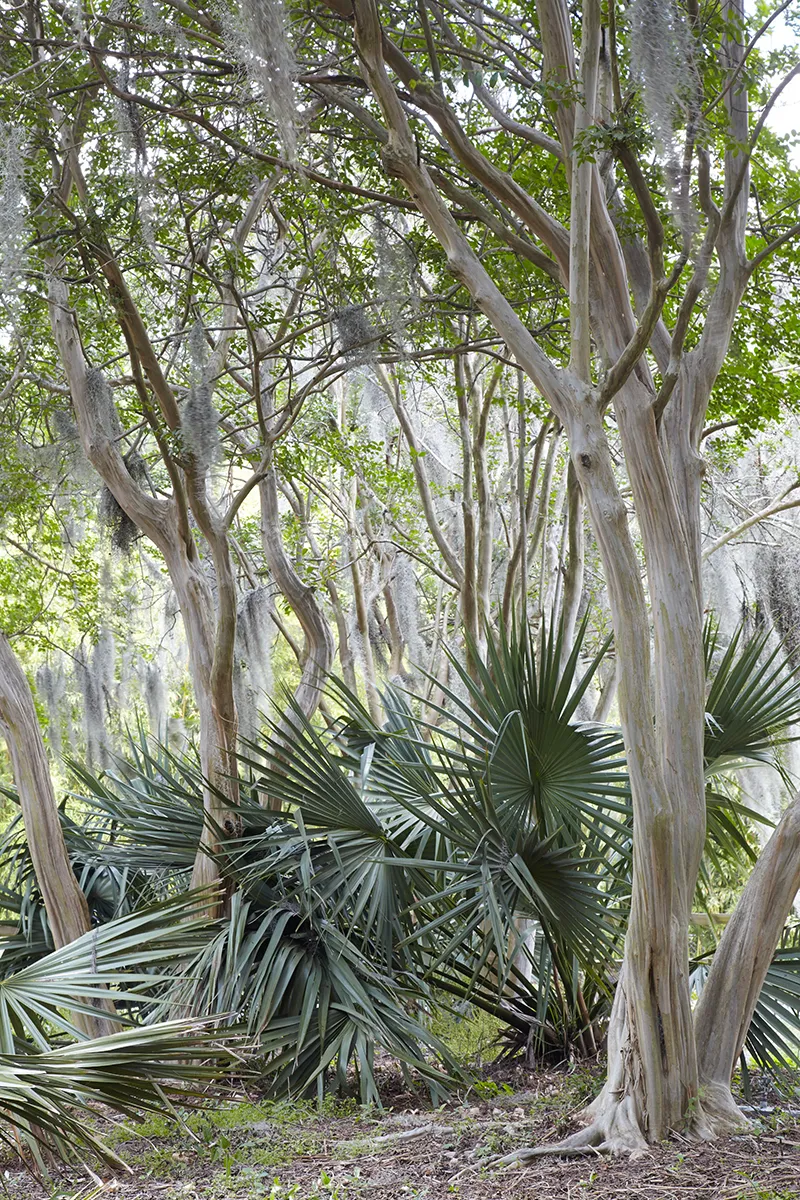
This palm naturally grows in shady areas along swamps and interestingly stays low because it has a solitary subterranean trunk. After many decades this palm can develop a short fat trunk, especially if grown in the sun.
Enlaces
Esta información refleja las observaciones de Grubb and Nadler y de nuestra comunidad de amantes de las plantas. Siempre tomamos en cuenta las aportaciones de otros horticultores y agradecemos los comentarios de quienes tengan más información sobre el cultivo de esta planta.
© 2020–2026 Grubb and Nadler. Todos los derechos reservados.