
Sansevieria zeylanica
snake plant
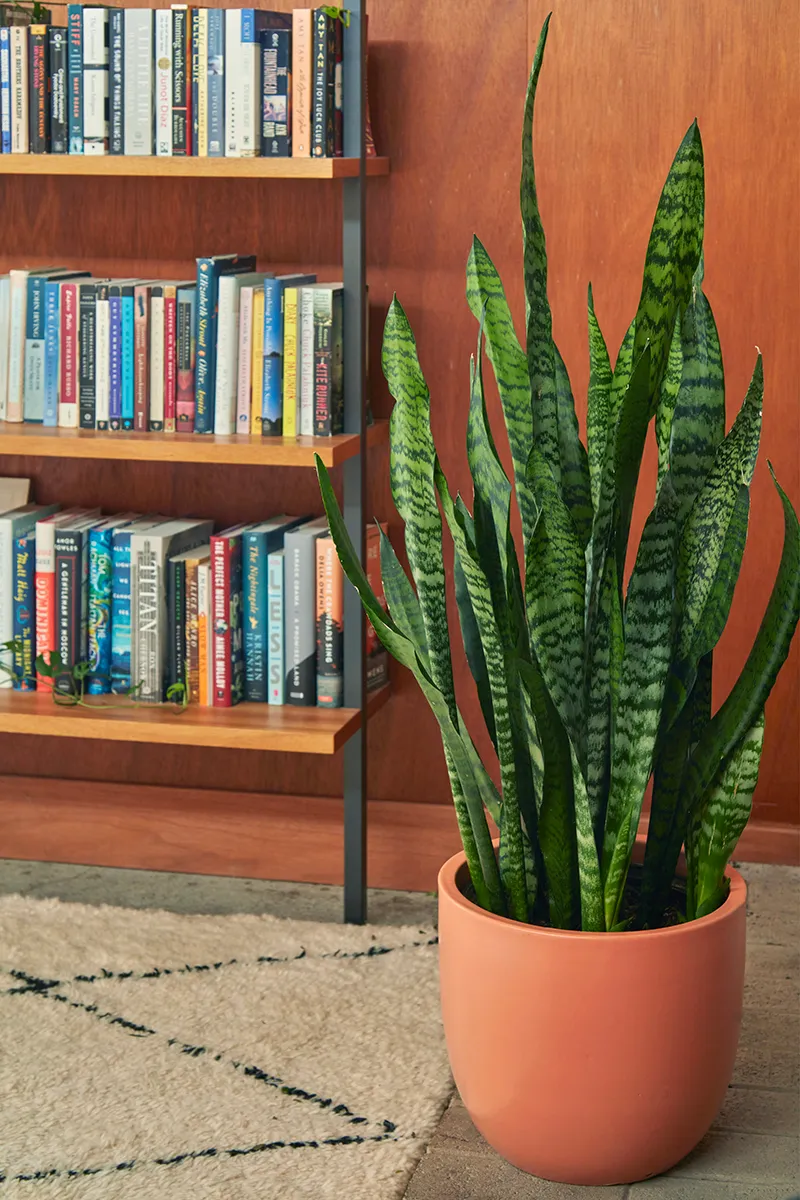
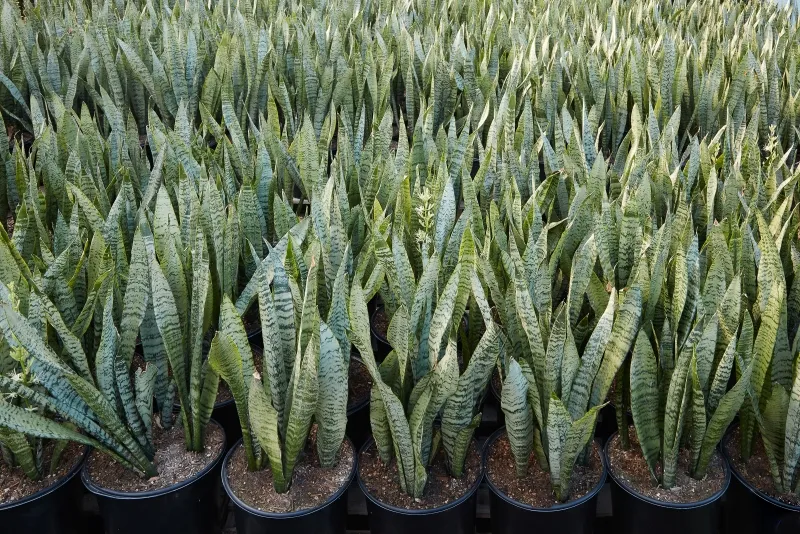
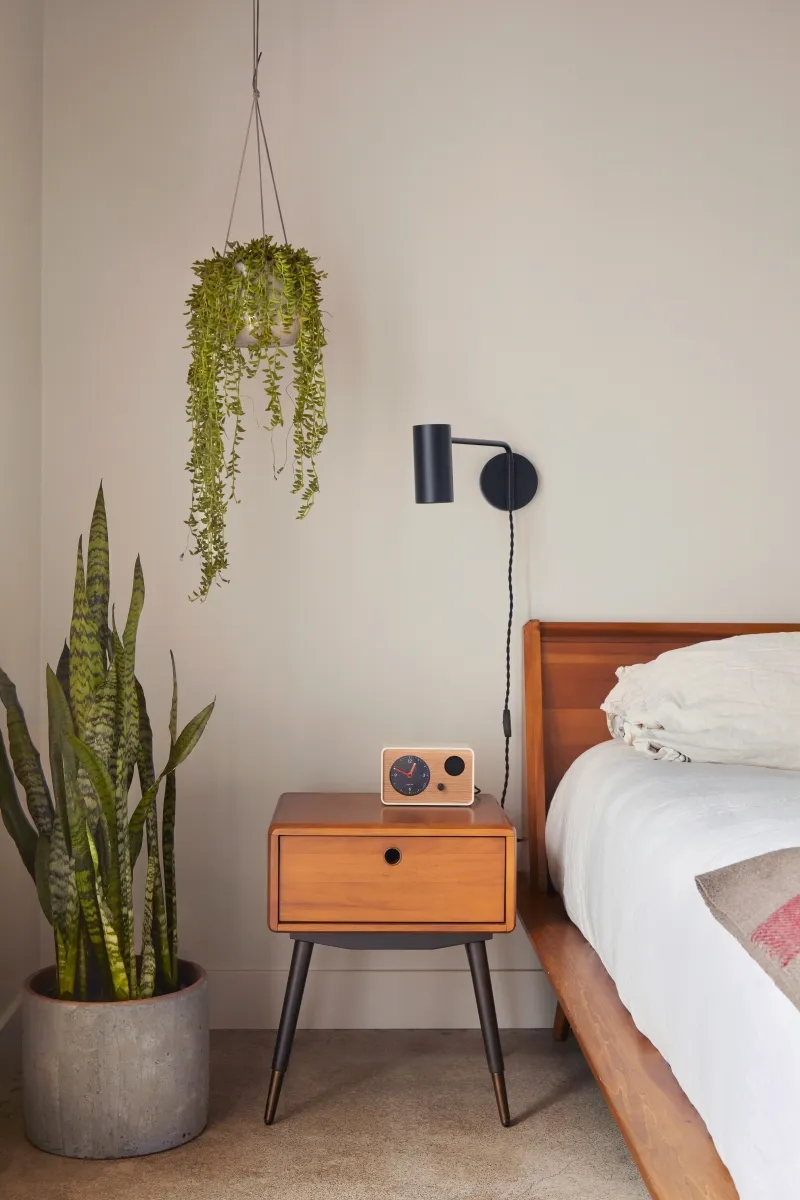
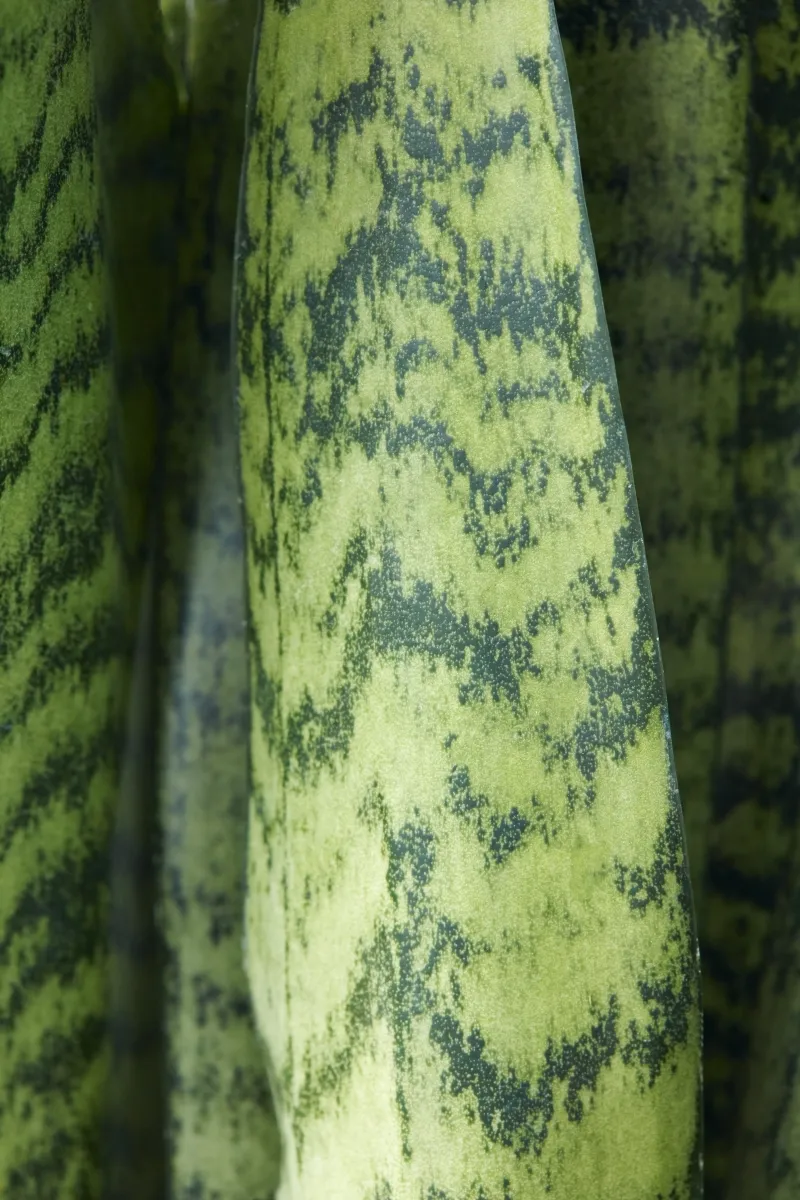
Zeylanica has dark green leaves with horizontal marbled banding. Fills pots over time. Maybe the toughest, most forgiving houseplant. Tolerates low light, drought.
 Height | 2–3ft |
|---|---|
 Width | 1–3ft |
 Water needs | When soil is mostly dry. |
Sanevieria are some of the toughest plants out there, as long as you let them go dry between waterings. Generally indoors this will mean watering every three to five weeks. We know a grower who swears by watering their Sansevieria "whenever the rent is due." | |
 Exposure | Low Light – Partial Direct |
 Plant traits | Spreading, Succulent |
 Drainage | In Pots: Cactus Mix |
 Fertilizing | All Purpose |
 Origin | Africa |
Growing Notes
Good drainage is critical to Sansevieria care.
The leaves of this plant last years, even decades. They will over time get dull looking and show physical damage; when they do you can thin them out at or just below the soil surface.
These flat-leaved Sansevierias don't like direct sunlight and will often yellow when placed in too much direct sun. The leaves will also curl in on themselves and get brown tipped edges.
Most sansevieria are stoloniferous, meaning that they spread by thick underground (or sometimes above ground) shoots called stolons. It's very easy to propagate your sansevieria by finding a growth point and following the fleshy stolon back to the previous growth point. Cut it there and replant the stolon, with roots and all. Those with above ground stolons can be removed and planted once you see roots forming along the stolons.
This plant tolerates low light more than almost any other plant, but would prefer to grow in as bright a room as possible as long as sunbeams are not directly hitting the leaves.
Special Interest
Occasionally Sansevieria will bloom with delicate waxy flowers that have a strong pleasing scent.
For more on this plant read the wonderful linked article below by our own Tyson Curtis.
Stories featuring this plant
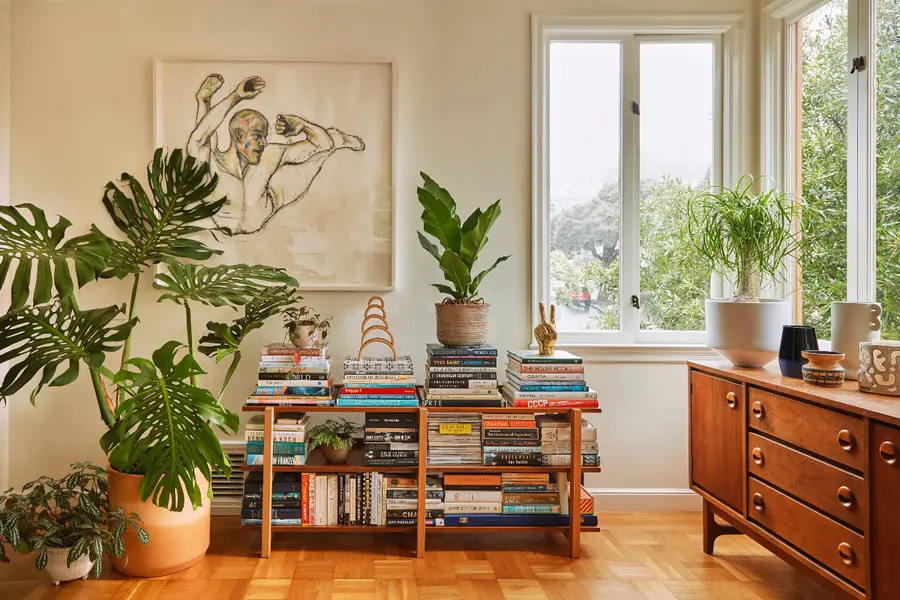 Garden storyPeek Inside a Super Stylish, Plant-Filled SF HomeHouseplant dreams are just what you need for a cozy weekend. Here's a peek inside a plant-filled SF house to inspire your indoor garden plans.
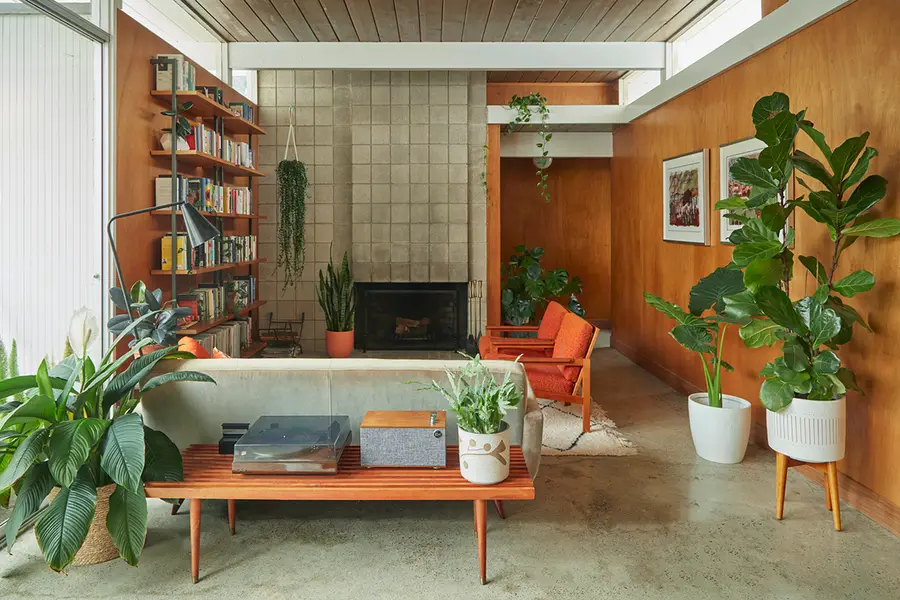 Garden storyPlant-Filled SF Eichler HideawayA mid-century Eichler home in SF, with its warm wood paneling, sleek concrete floors, and flood of light from inner courtyards, is the perfect place to grow a lush indoor garden. Some longtime FGG friends invited us into their home to share their houseplant inspiration.
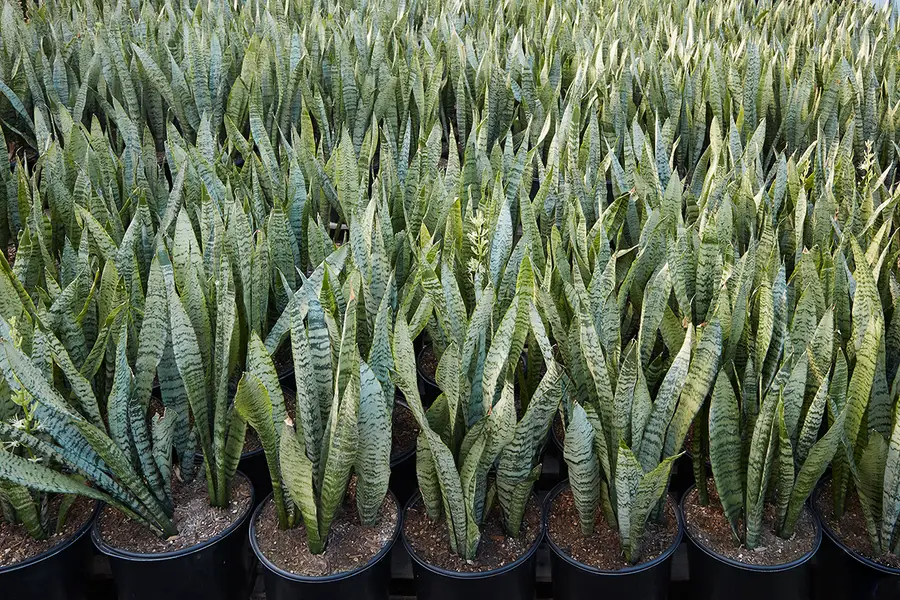 Garden storySansevieria (Snake Plant): The Friendliest HouseplantPull up a window and search “What should be my first houseplant?” and the number one result is the snake plant, also known as “mother-in-law’s tongue.” So if you’re new to houseplants, this is a great place to start. But if you’re an expert collector, maybe we lost you at “snake plant” and you’re already moving on? Hold up! Even the most jaded houseplant collector can find new intrigue within the ever-so-common genus Sansevieria.
More Info
Typically this plant is thought of as a houseplant, but it also grows well in warm frost free areas outdoors. See our sunset zones to see if you can grow this plant.
Links
Which store do you shop at?
The above information reflects the observations of Grubb and Nadler and our extended plant community. We always consider input from fellow horticulturists and welcome feedback from those with additional information on the culture of this plant.
© 2020–2026 Grubb and Nadler. All rights reserved.