
Vriesea imperialis
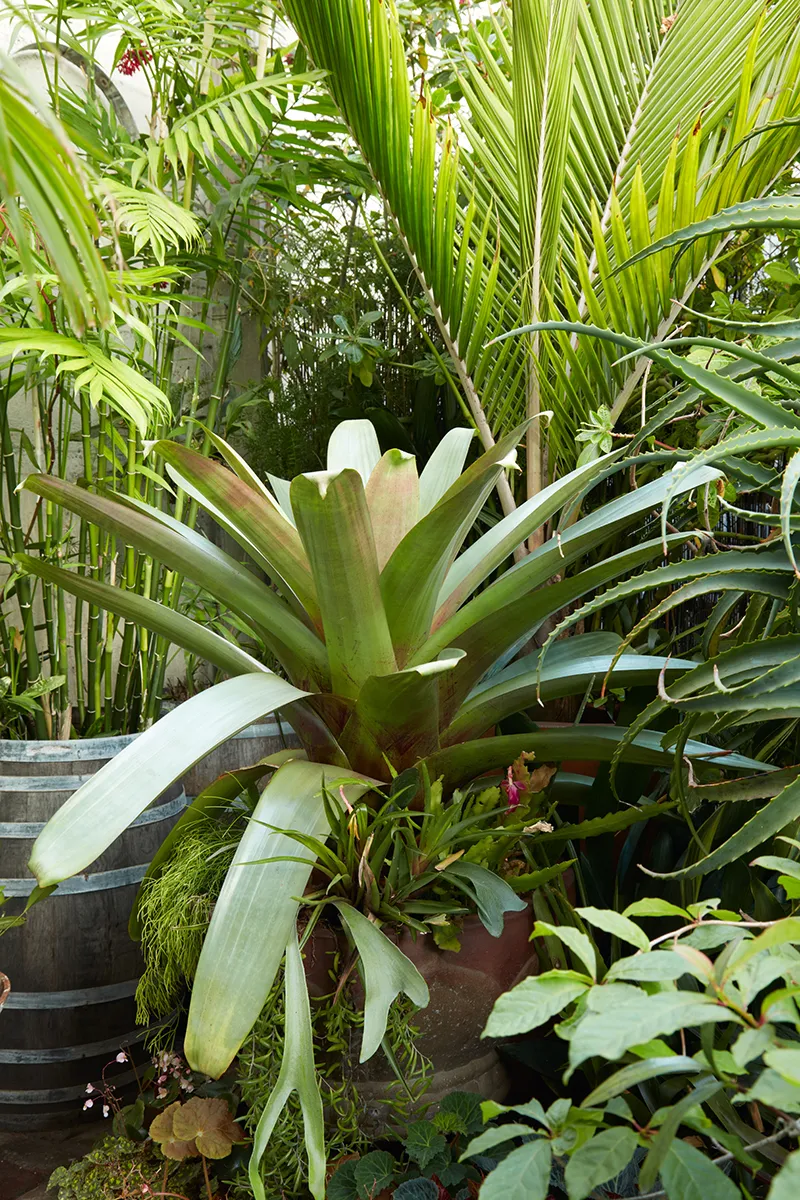
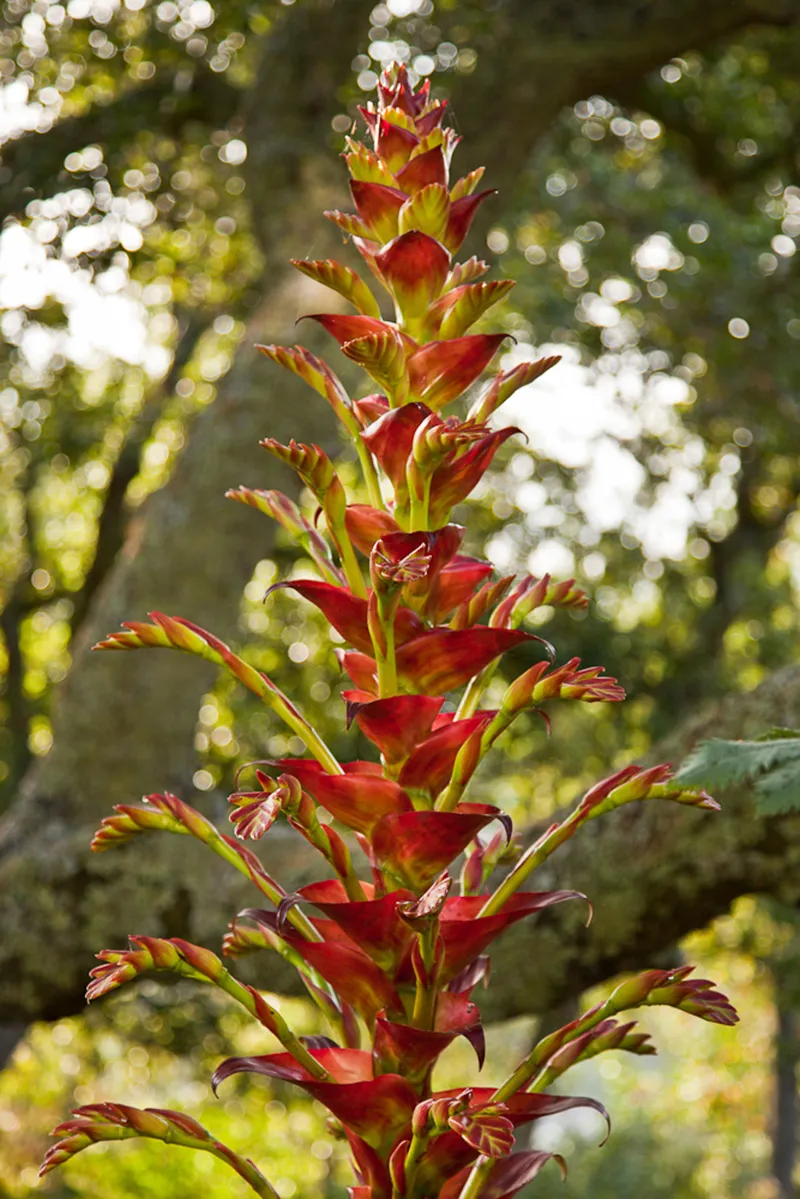
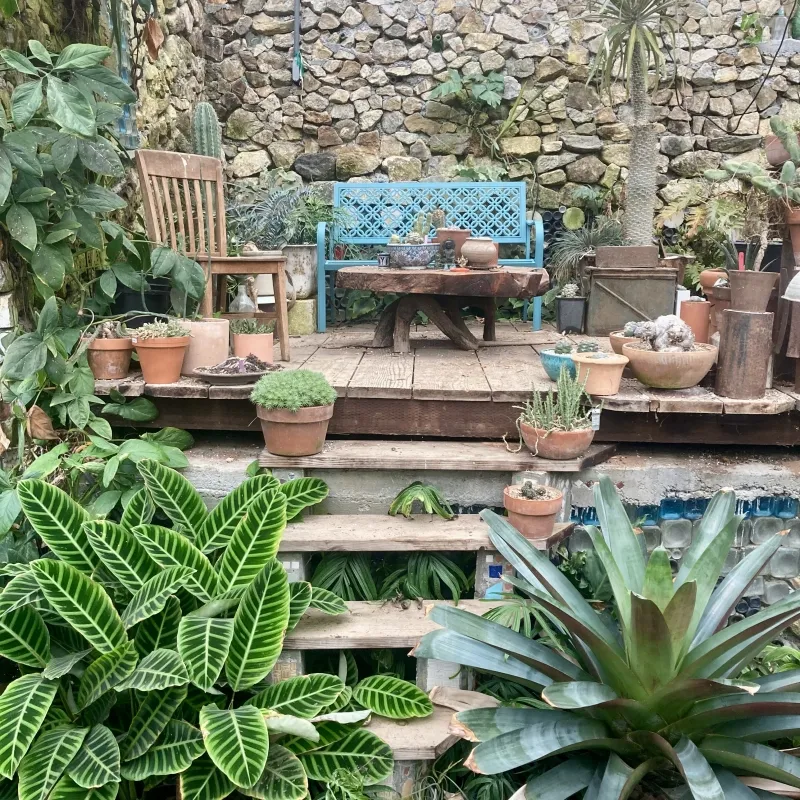
Wide, stubby leaves. Green to blue with hints of red, more red in sun. At end of life sends up a spectacular 6'+ flower lasting half a year. Solitary and round.
 Synonyms | Alcantarea imperialis |
|---|---|
 Height | 3–4ft |
 Width | 3–4ft |
 Tolerates | Cool Summers, Fog, Pots |
 Water needs | Moderate |
While looking tropical, bromeliads are surprisingly drought tolerant and we think of watering them as other soft leaved succulents such as echeveria. They evolved their unique shape to funnel rainwater into their centers, and then store it there. If you're in a hot climate simulate this by watering from above. When indoors, you can water in the center of the crown and allow the water to overflow down into the lower tanks and then the roots without getting the area around your plant wet. However, if you are in a cool climate it is best to just water the soil, as lingering water in the crown can lead to rot. | |
 Hardy to | 30°F |
 Exposure | Full Sun – Part Sun |
 Plant traits | Epiphyte, Flowering, Monocarpic, Rosette, Tropical |
 Indoor / outdoor | Outdoor |
 Drainage | In Ground: Cactus Mix, In Pots: Cactus Mix, Orchid Bark, Tolerates Sandy Soil |
 Fertilizing | Acid 1/2 Strength |
 Origin | Brazil |
 California native | No |
 Sunset zones | 16, 17, 20–24, H2 |
Growing Notes
Bromeliads are occasionally terrestrial (grow in the ground) but most are epiphytic, growing on the trunks and branches of trees. Even others are lythophytic, growing in the cracks of rock faces. Either way they do not need much root space and thrive in pots. This also makes them ideal for mounting on a plank, tree, fence, totem or rock.
Because they are usually growing in tight spots their nutrients come from decaying litter, making them appreciate a light acidic fertilizer, but all purpose seems to work just fine.
When planting in the ground take extra care to ensure good drainage. Some ways to do this are by mounding the plants, adding pumice or lava rock to the soil, or even planting nursery cans directly into a basin of pumice to keep their roots constrained.
Avoid planting under trees or other plants that shed a lot, as the litter will collect in the rosettes. If this happens you can gently flush the tanks out with a garden hose.
Avoid particularly windy spots, which will shatter the leaves on this rosette.
Special Interest
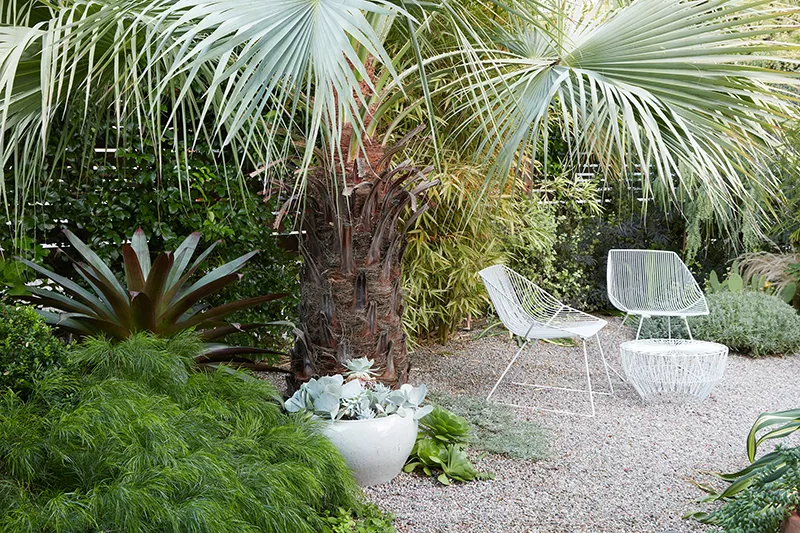
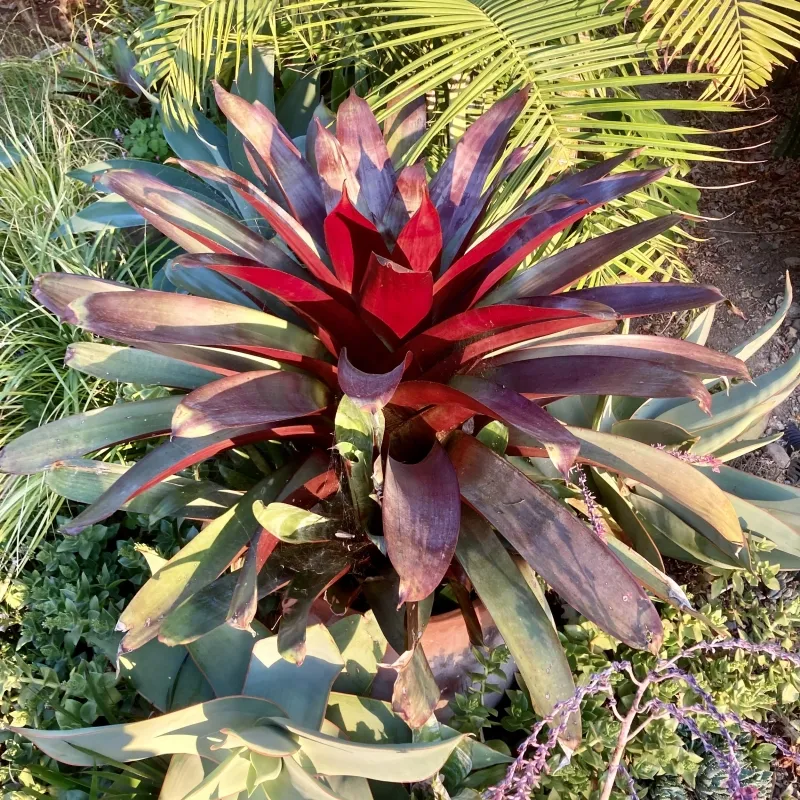
Note the photo here of the very red plant; this plant is grown in afternoon sun in Oakland, Ca. This is a great example of how more sun can change the color of this plant.
Stories featuring this plant
The above information reflects the observations of Grubb and Nadler and our extended plant community. We always consider input from fellow horticulturists and welcome feedback from those with additional information on the culture of this plant.
© 2020–2026 Grubb and Nadler. All rights reserved.