
Xerosicyos danguyi
silver dollar plant
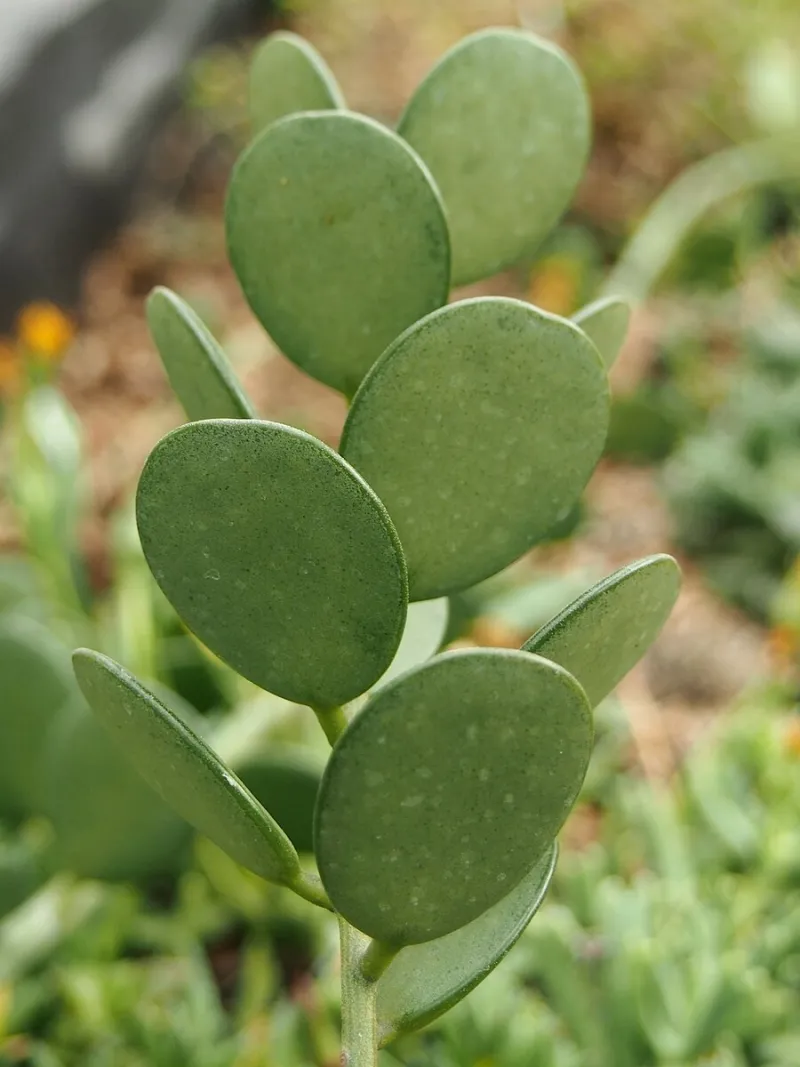
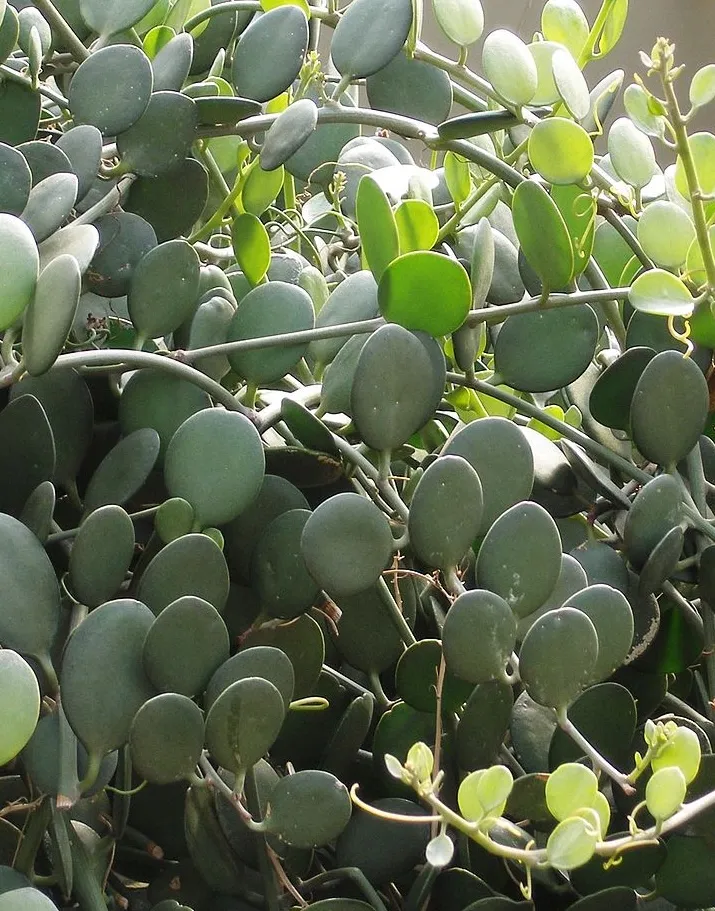
Cascading succulent has wiry stems and graphic silver-dollar leaves. Occasional tiny green flowers. Grows during warm weather, cut back watering during cool months. Protect from winter rain.
 Altura Altura | 2–15 pies |
|---|---|
 Ancho Ancho | 2–15 pies |
 Tolera Tolera | Sequía, Calor, Macetas, Azoteas |
 Riego Riego | Bajo |
This succulent is from arid areas of Madigascar and as such likes to go totally bone dry between waterings, making it very low-maintenance. To get good healthy growth your plant does not want to sit around totally dried out during its growing season. Once it is dry, water it. This plant comes from an area with summer rainfall and is actively growing during that time, when it is forgiving of overwatering errors. During winter dormancy it should be kept extra dry and will not tolerate overwatering. Remember that if kept in a small pot your plant will want more frequent watering. | |
 Resiste hasta Resiste hasta | 35 °F |
 Exposición Exposición | Pleno sol |
 Características Características | Colgante, Forma montículo, Escultural, Arbusto, Suculenta, Trepadora - rastrera |
 Interior / exterior Interior / exterior | Interior o exterior |
 Drenaje Drenaje | En el suelo: mezcla para cactus, En maceta: mezcla para cactus, Tolera suelo arenoso |
 Fertilización Fertilización | Uso general |
 Origen Origen | Suroeste de Madagascar |
 Nativa de California Nativa de California | No |
 Zonas Sunset Zonas Sunset | 13, 20–24, H2 |
Notas de cultivo
This succulent naturally clambers up through other plants of the spiny forest, which give it structure. As such it does well to grow up a structure or other sturdy garden plants, but can also be grown alone where it fills out into a thick mounded shrub. It also makes a handsome hanging plant. Interestingly, while most clambering plants have thorns to support them, the unique leaves of this plant help it to grab onto other plants and support itself.
We've given fifteen feet as the max height and width here, but this plant can get larger. Think of it as a slow moving vine.
Interés especial
A fun curiosity that's always sure to draw interest from visitors!
Enlaces
Esta información refleja las observaciones de Grubb and Nadler y de nuestra comunidad de amantes de las plantas. Siempre tomamos en cuenta las aportaciones de otros horticultores y agradecemos los comentarios de quienes tengan más información sobre el cultivo de esta planta.
© 2020–2026 Grubb and Nadler. Todos los derechos reservados.