
Yucca elephantipes ‘Queen Giant’
queen giant yucca
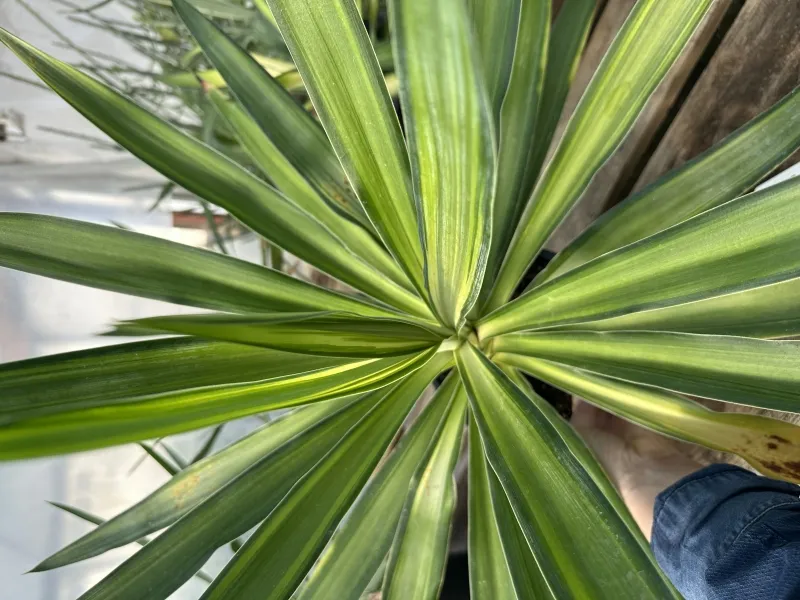
Thin upright trunks are sparsely branched with wide, shiny, variegated leaves. White flowers during summer. Soft leafed, tough and versatile.
 Altura Altura | 20–30 |
|---|---|
 Ancho Ancho | 15–20 |
 Tolera Tolera | Costa, Sequía, Venados, Calor, Suelo húmedo, Macetas, Azoteas, Descuido, Sal, Viento |
 Riego Riego | Bajo – Moderado |
This yucca loves it all. Plant it, never water it, and it'll look good and grow, but give ample water during warm weather and watch it take off! | |
 Resiste hasta Resiste hasta | 20 °F |
 Exposición Exposición | Sombra total – Pleno sol |
 Características Características | Con flores, Barrera visual, Tropical, Forma tronco |
 Interior / exterior Interior / exterior | Exterior |
 Drenaje Drenaje | En el suelo: mezcla para cactus, En maceta: mezcla para cactus, Tolera suelo pesado, Tolera suelo arenoso |
 Fertilización Fertilización | Uso general, Necesita poco |
 Origen Origen | Selección, Centroamérica |
 Nativa de California Nativa de California | No |
 Zonas Sunset Zonas Sunset | 8–24, H1, H2 |
Notas de cultivo
Arms can be cut off and dug in during the fall and will root without assistance, even on baking hot western hillsides in Sunset Zone 16.
Can be cut to within a foot of the ground and will rebound readily with a bushier overall form. Pruning scars are long lasting.
Interés especial
As with most yucca, this one was very useful for pre-Columbian societies. The roots make a frothy soap, the spineless leaves can be turned into durable fibers and many parts of the plant are edible, especially the flowers, which are both soft and crisp. The flowers are still used today in Central American cuisine, where they are added to pupusas and egg scrambles. The giant yucca flower is also the national flower of El Salvador, where it is called "flor de izote".
Más información
This plant was grown for an outdoor environment, so we do not recommend moving it inside. In general we do not recommend moving plants raised for an outdoor environment indoors.
This plant would make a good houseplant if it had been grown in a controlled greenhouse with houseplant soil. This 'greenhousing' ensures that plants who come home with you are well acclimated to indoor life, and also that they don't have any pests. It is common for outdoor plants to have other passengers as well, such as earthworms or centipides that don't necessarily hurt the plant, but aren't welcome indoors.
If you consider yourself an expert gardener, you can of course attempt to transition this plant indoors. In that case you'll want to strip all the soil from the rootball, wash the roots clean and then spray the entire plant (leaves, undersides of the leaves, all the cracks and roots) with a mix of one tablespoon of rubbing alcohol in a cup of water. Repot the plant in the appropriate sterile soil/pot and take extra care as it transitions to the indoors, especially looking for pests and treating at the first sign of problems. Always consider the risk that any bugs could also affect other houseplants you have nearby.
For some plants, we sell two versions: outdoor-grown and greenhouse-grown. If you're looking to grow this plant indoors, feel free to ask our staff if we have a greenhouse-grown version in stock.
Esta información refleja las observaciones de Grubb and Nadler y de nuestra comunidad de amantes de las plantas. Siempre tomamos en cuenta las aportaciones de otros horticultores y agradecemos los comentarios de quienes tengan más información sobre el cultivo de esta planta.
© 2020–2026 Grubb and Nadler. Todos los derechos reservados.