
Yucca linearifolia
Rare
linear-leaf yucca
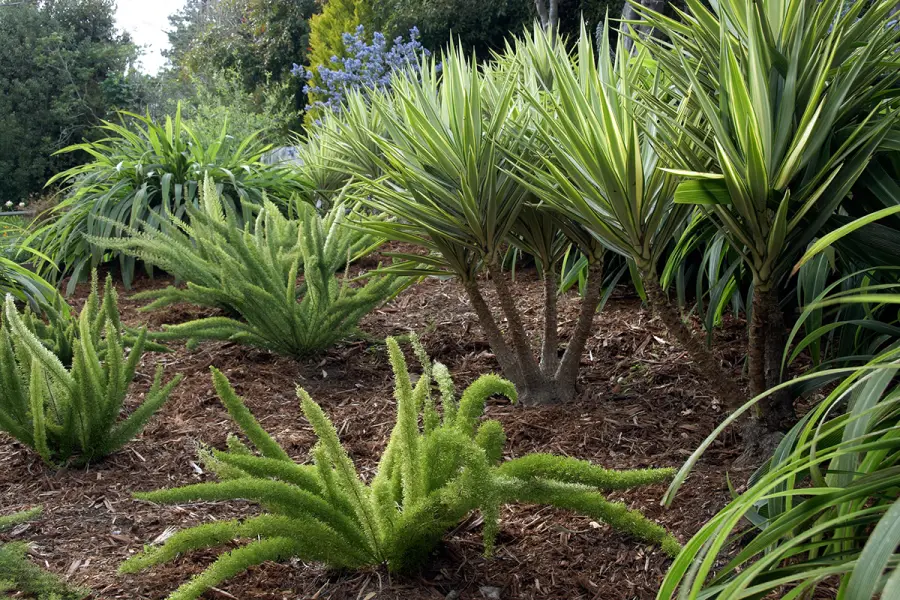
Shimmery orb grows to resemble a mini Joshua tree. Showy white flowers. Great in containers, especially in wetter areas.
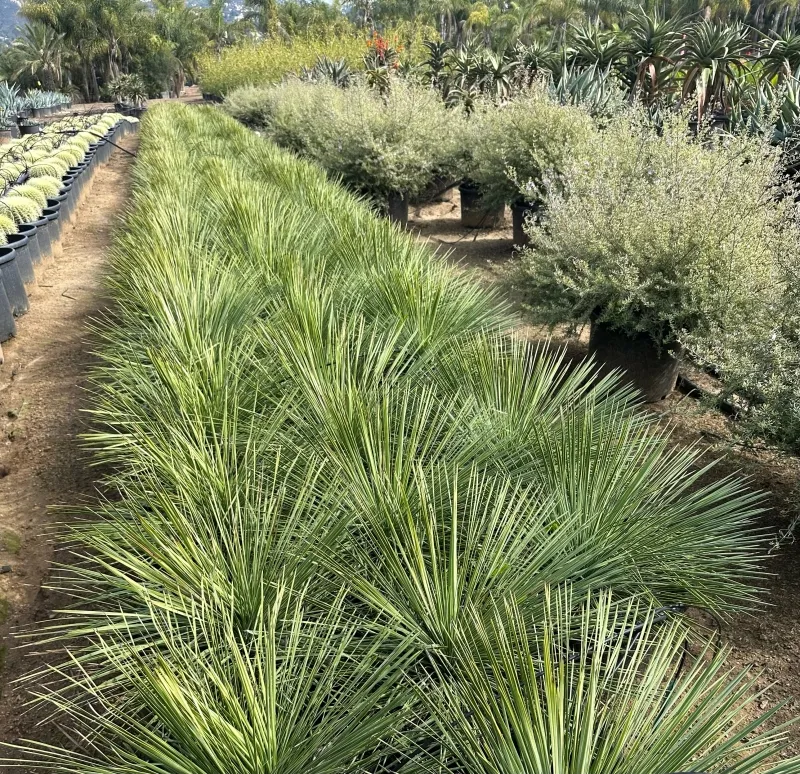
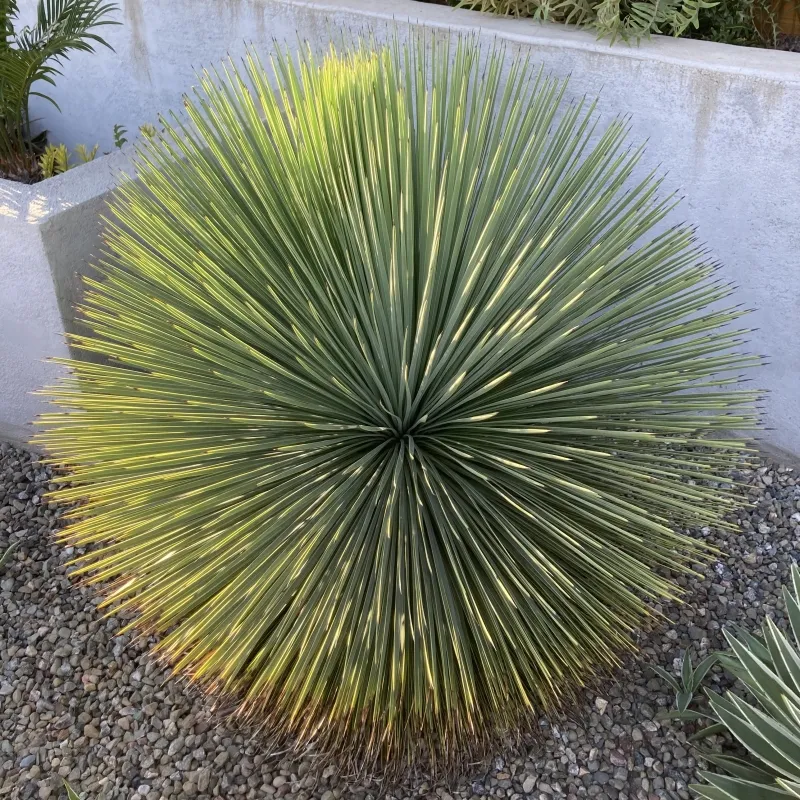
In stock in San Francisco and Los Angeles
from $129
 Mature size | 4–10ft tall 1–3ft wide |
|---|---|
 Exposure | Full Sun |
 Hardy to | 10°F |
 Sunset zones | 4–24 |
 Water needs | Low Yuccas are exceptionally drought tolerant, not needing additional water once established in coastal California. They will however, grow faster, look more lush and bloom more if given water once they dry out in the summer-fall. |
 Tolerates | Drought, Heat, Pots, Rooftops, Wind |
 Plant traits | Armed, Flowering, Trunking |
 Drainage | In Ground: Cactus Mix, In Pots: Cactus Mix, Tolerates Sandy Soil |
 Fertilizing | All Purpose |
 Origin | N Mexico |
 Synonyms | Yucca rostrata var. linearis |
Similar plants
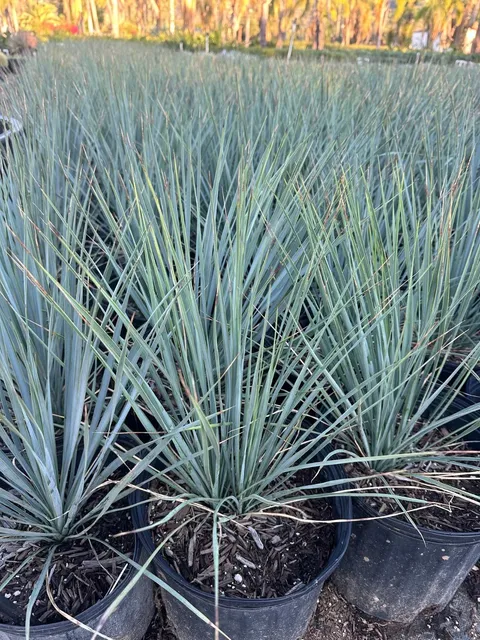
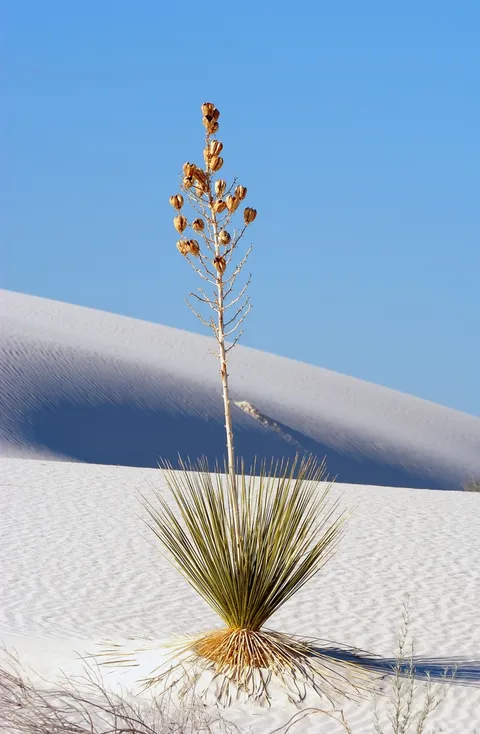
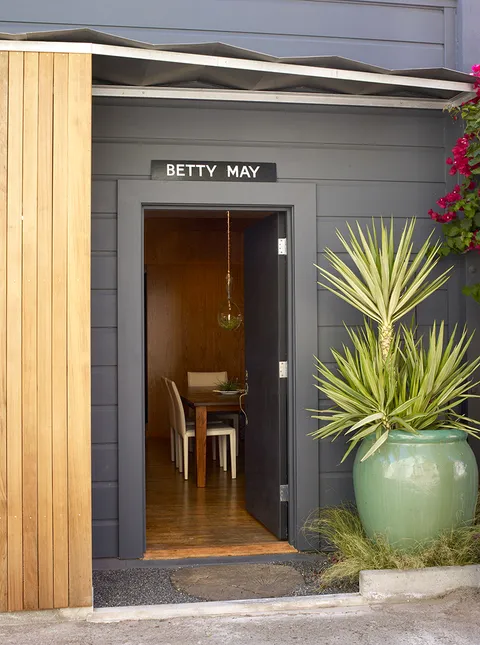
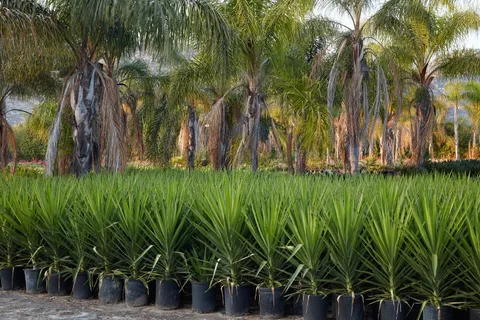
Growing Notes
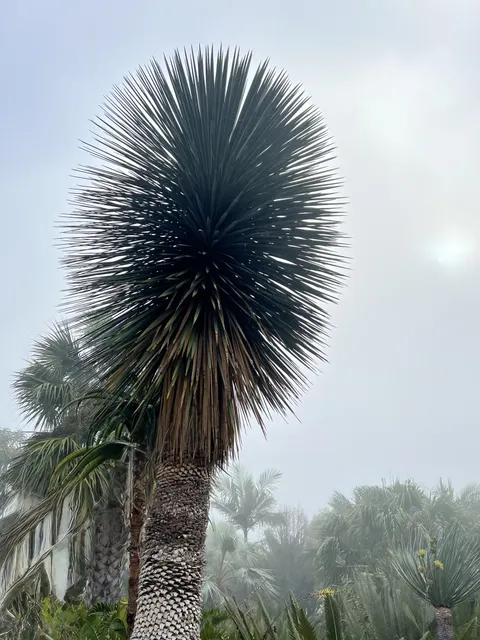
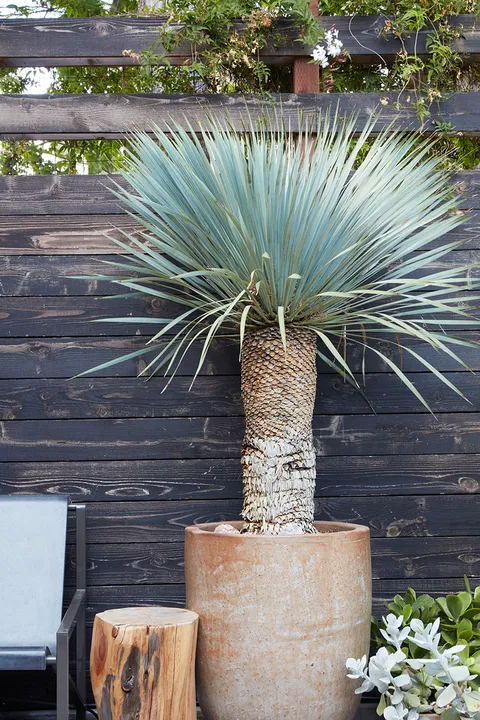
Yuccas grow from their crown. Gradually the oldest leaves of this yucca will shrivel and create a persistent beard that protects the plant in nature. Don't worry if the older leaves are browning, as this is the natural growth pattern of your yucca. For a cleaner look (or to reduce fire load) prune off lowest leaves. This is best done consistently and before the leaves start to drop and become parallel with the trunk.
Special Interest
This rare yucca is also native to Texas. It's among the yucca group with fleshy fruits (rather than those that dry and split).
Stories featuring this plant
More Info
Yucca is the genus of succulent plants. The word has two "c"s.
"Yuca" (one "c") is the common name for the starchy root of an unrelated plant, Manihot esculenta in the Spanish-speaking Americas. Other names for "yuca" are manioc and cassava.
Yuca / manioc / cassava is also processed into a starchy powder made into tapioca, i.e. boba pearls.
Yucca, the succulent genus, does produce edible flowers (best cooked).
Links
What we've learned from growing this plant ourselves and in our customers' gardens. We always love to hear more. Tell us
© 2020–2026 Grubb and Nadler. All rights reserved.