
Yucca rostrata
beaked yucca
Shimmery blue-green orb grows slowly to resemble a small tree. Great in containers, in shade or sun. Tough and elegant.
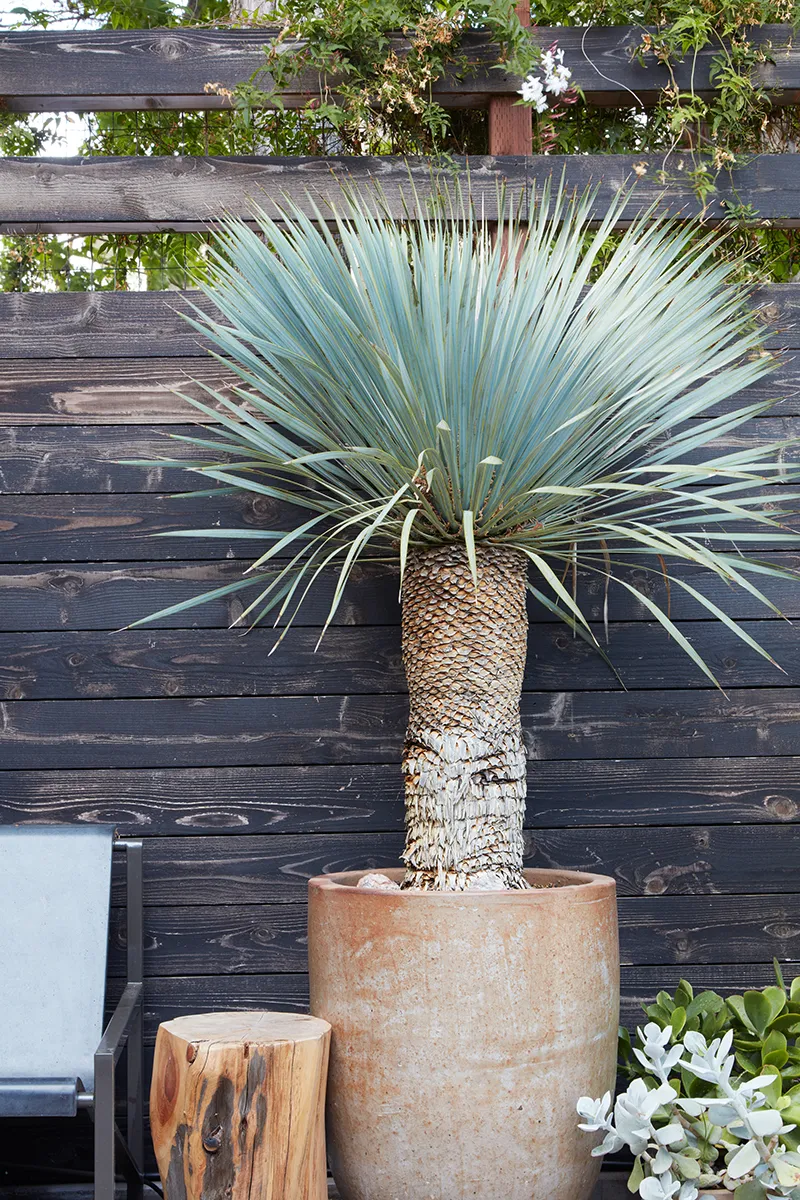
Seen in Everything Looks Like a Yucca! →
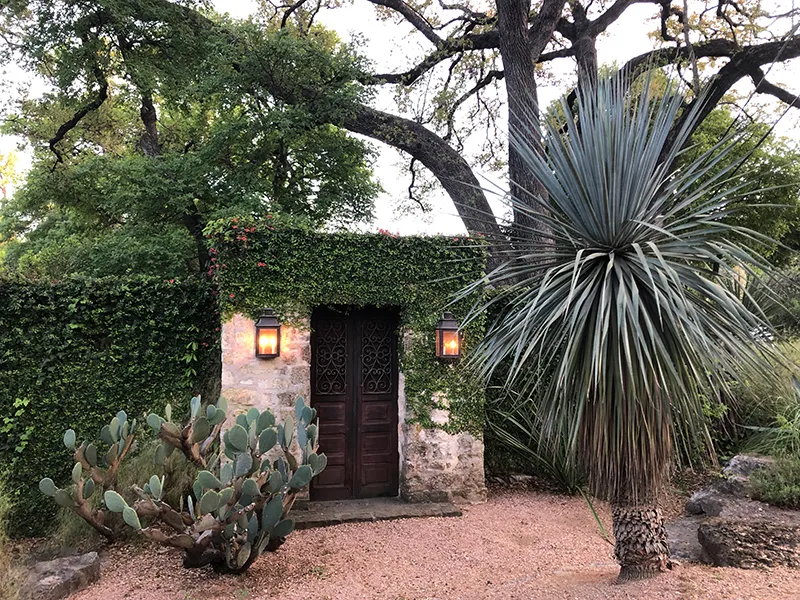
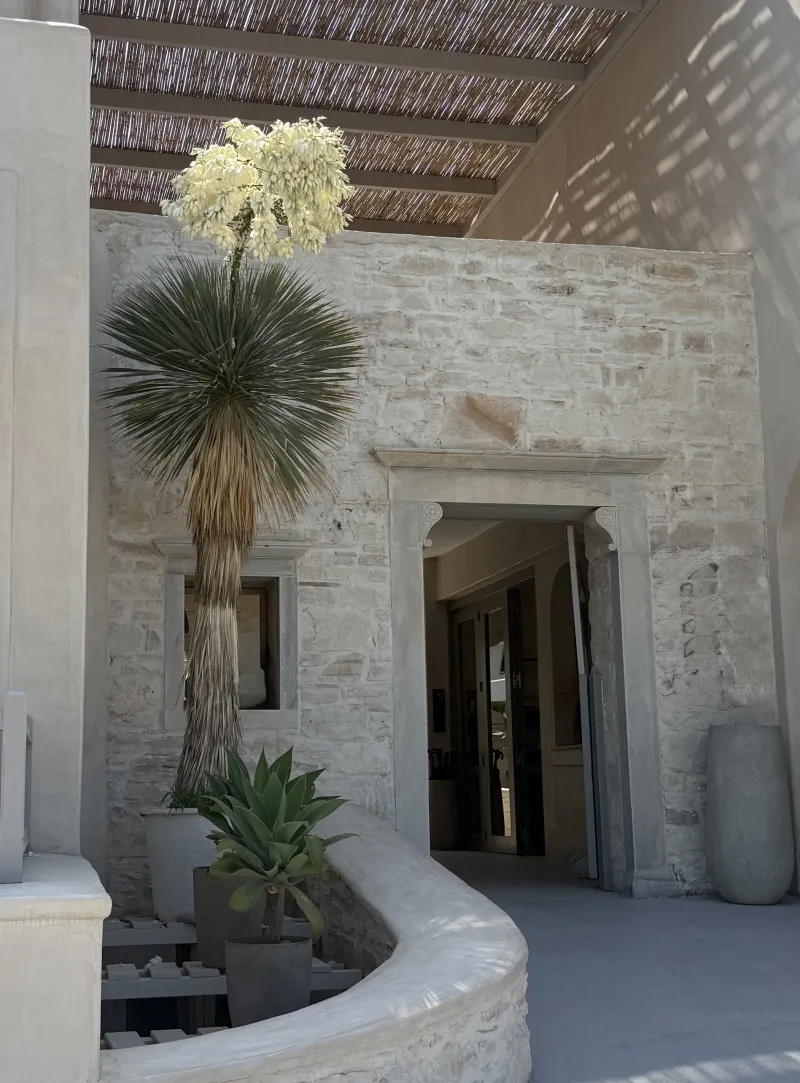
 Height | 8–18ft |
|---|---|
 Width | 6–8ft |
 Tolerates | Cold, Drought, Wind |
 Water needs | Low |
Yuccas are exceptionally drought tolerant, not needing additional water once established in coastal California. They will however, grow faster, look more lush and bloom more if given water once they dry out. This yucca grows very quickly if given good drainage and summer water. | |
 Hardy to | 10°F |
 Exposure | Full Shade – Full Sun |
 Plant traits | Flowering, Sculptural, Trunking |
 Indoor / outdoor | Outdoor |
 Drainage | In Ground: Cactus Mix, In Pots: Cactus Mix, Tolerates Sandy Soil |
 Fertilizing | All Purpose, Low Needs |
 Origin | SW USA |
 California native | No |
 Sunset zones | 4–24 |
Growing Notes
This plant thrives in hot sun, but can also be grown in shade as long it does not get soggy. It will be more open and perhaps a bit floppy, but it also gets even more of a dusty blue glow. It is wonderful in a pot and can live out its whole life in a nice-sized pot.
Too shave or not to shave? Prune off the oldest leaves as they age to have a clean textured trunk, or leave an elegant skirt. If you choose to prune, this work is best done early and consistently, as it's easy to do when you can get your pruners under the leaves. But once they start to lie down on the trunk it becomes much harder. In high fire areas we recommend removing the skirt to reduce fire load, though as long as the fire isn't too hot, the skirt would just burn off as it does in nature.
A giant white flower spike emerges in summer. Once the flowers fade ,cut out the spike as low as possible. Your plant will go through a period of looking a bit scruffy, before hitting its stride again; sometimes flowering induces a second head and then later a fork in the trunk.
Stories featuring this plant
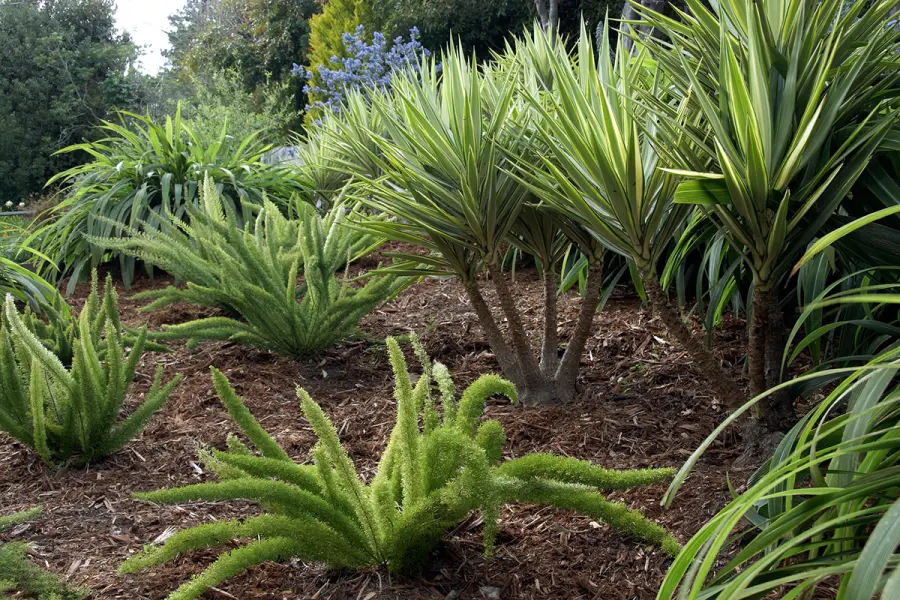 Garden storyEverything Looks Like a Yucca!Many beautiful yucca plants will thrive in coastal California, and we often have several varieties in stock—along with quite a few yucca lookalikes!—at our San Francisco and Marina del Rey nurseries. Read on to learn more about these tough and lovely plants.
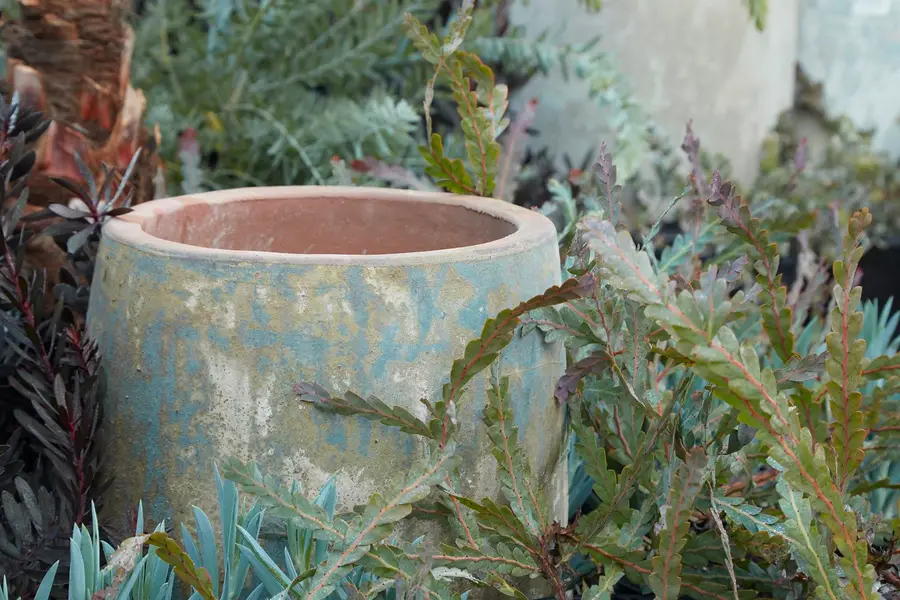 Garden storyRustic Ceramic Glazed Pots and PlantersWe carry a wide selection of rustic ceramic pottery in a variety of amazing glazes and textures. For instance the glaze on these large architectural ceramic pots makes each handmade piece a work of art.
In stock today in San Francisco
| 15 gallon | 1 available | $129 |
| 25 gallon | 6 available | $3,295 |
The above information reflects the observations of Grubb and Nadler and our extended plant community. We always consider input from fellow horticulturists and welcome feedback from those with additional information on the culture of this plant.
© 2020–2026 Grubb and Nadler. All rights reserved.