
Agave attenuata ‘Kara’s Stripes’
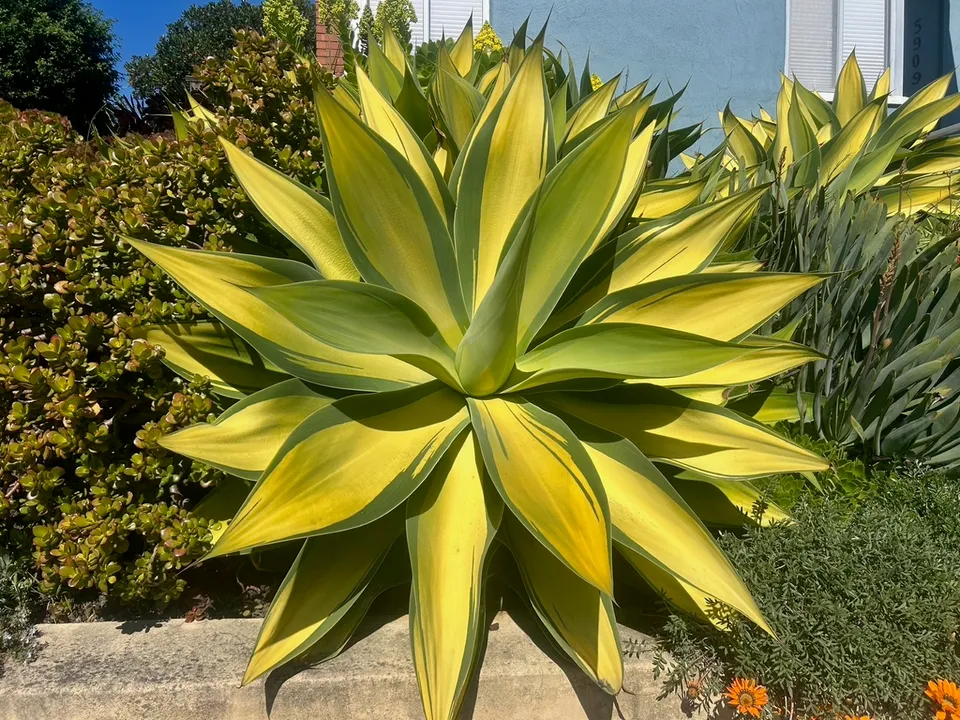
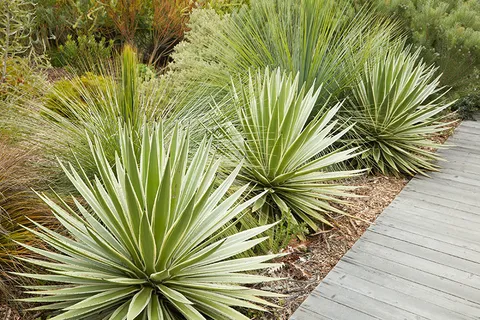
Kara's Stripes foxtail agave
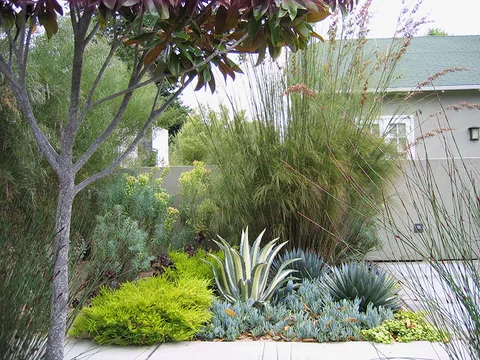
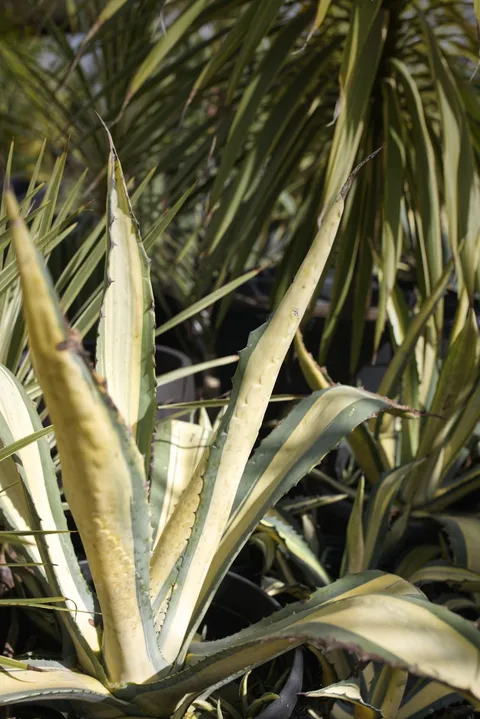
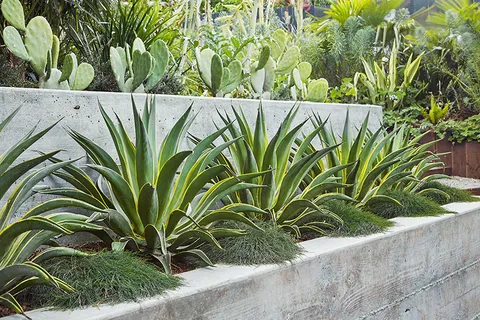
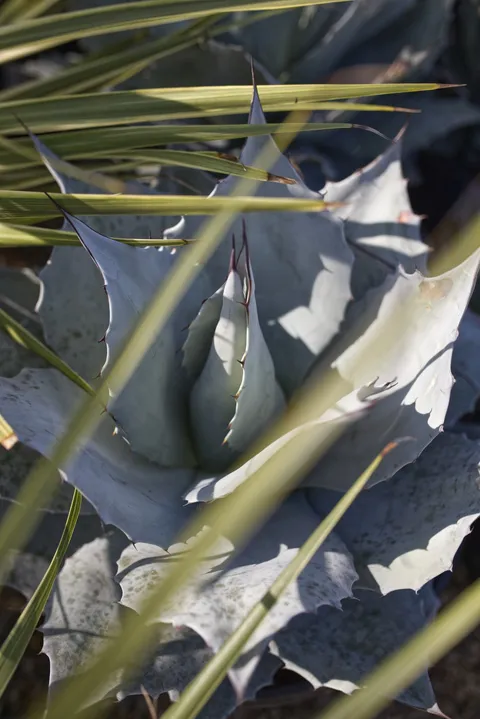
The foxtail agave selection has yellow to green variegation that is more pronounced with sun. Versatile and spineless! Forms multiple rosettes. Foxtail refers to showy arching flowerstalk.
In stock in Los Angeles
from $49
 Mature size | 1–5ft tall 3–6ft wide |
|---|---|
 Exposure | Part Sun – Full Sun |
 Hardy to | 30°F |
 Sunset zones | 13, 17, 21–24 |
 Water needs | Low Agave are extremely drought tolerant, and many need no supplemental irrigation in coastal California. They will however look better and grow faster if they are given additional water, especially during summer. This agave is more forgiving than most of overwatering, especially if it's in good drainage. This agave will need some summer irrigation in sunny spots when it is away from the coast. |
 Tolerates | Coast, Cool Summers, Drought, Fog, Pots, Salt, Wind |
 Plant traits | Monocarpic, Sculptural, Succulent, Suckering |
 Drainage | In Ground: Cactus Mix, In Pots: Cactus Mix, Tolerates Sandy Soil |
 Fertilizing | All Purpose, Low Needs |
 Origin | C Mexico |
Similar plants
Growing Notes
This agave is monocarpic, meaning that a head will grow larger and larger over time, building up energy, then send off a spectacular flower and afterward decline and die, replaced by pups from the base.
This agave is almost unique in that it creates a woody trunk, similar to that of a palm tree. The leaves also shed naturally, so when they are dry you can peel them off, or let them fall off and pick them up.
Protect from snails. When deer are particularly hungry they will eat A. attenuata as well.
If you'd like a single head or just a couple heads, just remove the pups from the base as they grow.
This agave is inclined to physical damage, so keep it back from high traffic paths where people might bump into it.
Special Interest
When agave set pups they can easily be removed and propagated. With this species they will actually begin to grow roots on the pups, so when you see above ground roots you'll know they are easy to remove and propagate.
More Info
Photo by Gary Gragg. This variegated selection was discovered by Bay Area plantsman Gary Gragg of Golden Gate Palms & Exotics Nursery, who removed it as a sport emerging from a plant growing in his garden and named it for his wife, Kara.
What we've learned from growing this plant ourselves and in our customers' gardens. We always love to hear more. Tell us
© 2020–2026 Grubb and Nadler. All rights reserved.