
Aloe polyphylla
spiral aloe
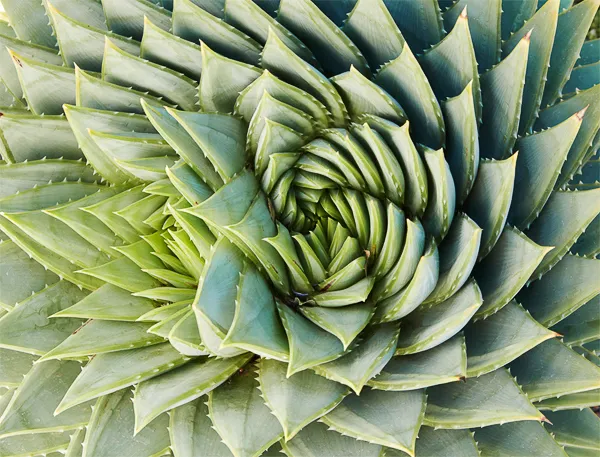
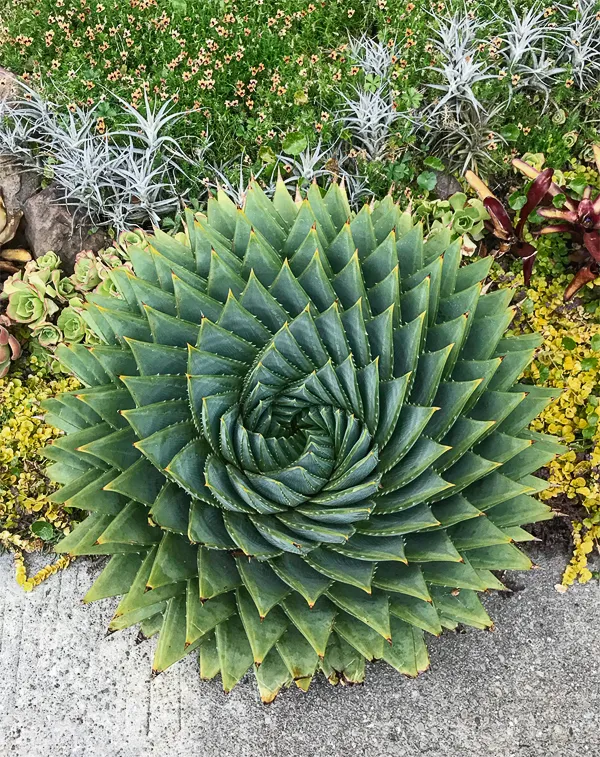
The mesmerizing spiral aloe likes sun, sharp drainage, cool temps, and consistent water. A focal point gem and the pride of any garden. Thrives in northern coastal California.
 Height | 1–3ft |
|---|---|
 Width | 1–3ft |
 Tolerates | Coast, Cool Summers, Fog, Pots, Rooftops, Wind |
 Water needs | Moderate – High |
Aloe polyphylla comes from the dreary, rocky, rainy, mountain country of Lesotho and you'll want to re-conceptualize what an aloe is to grow this one. The spiral aloe needs extra gritty soil, cool conditions (temperatures not exceeding 80F) and consistent water, sometimes several times a week. They do not want to ever dry out, which can happen quickly with the levels of drainage they prefer. Leaves should be ridged, thick and plump, soft squishy leaves are a sign of under watering. Brown tips can also indicate underwatering. They can be watered over the lower leaves to ensure water gets to the roots under the plant, but avoid watering in the top of the crown or you risk crown rot. Some people plant them at an angle, so that the water naturally sheds from the crown. | |
 Hardy to | 23°F |
 Exposure | Part Shade – Full Sun |
 Plant traits | Armed, Flowering, Humming Birds, Rock Garden, Rosette, Sculptural, Solitary, Succulent |
 Indoor / outdoor | Outdoor |
 Drainage | Requires Perfect Drainage, Tolerates Sandy Soil |
 Fertilizing | All Purpose 1/2 Strength, Low Needs |
 Origin | Lesotho |
 California native | No |
 Sunset zones | 5, 6, 15–17, 24 |
Growing Notes
Plant in 50% cactus mix to 50% pumice or lava rock.
If the head ever feels loose the roots have probably rotten off. Don't panic! If it lifts easily you can pull away the lower dead brown leaves, remove any rot, allow to dry for 10 days, apply rooting hormone and re-root your plant. Interesting they actually re-root quite easily.
Leaf tips may also become dry when grown in too much shade or heat.
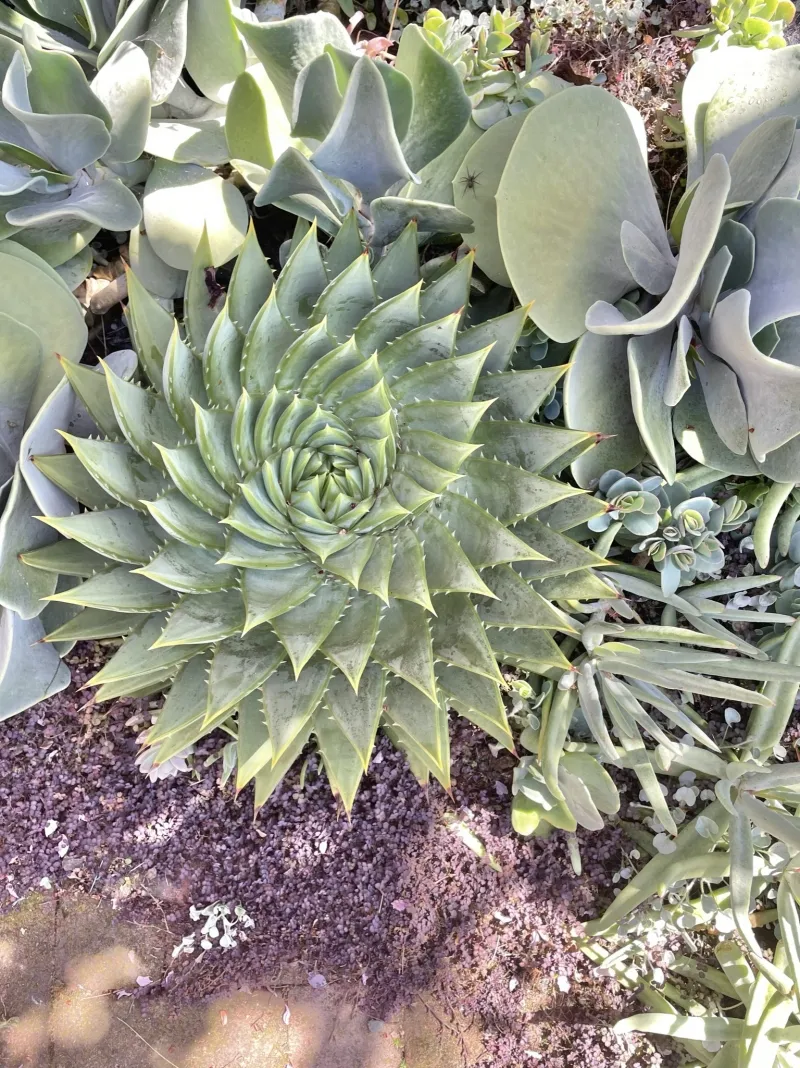
Occasionally a plant will divide from the growth point into two, or reverse spiral. Additionally the intensity of each spiral is unique, with some rare individuals barely showing a spiral.
Aloe polyphylla doesn't tolerate hot roots, so mulch well around it and don't plant it in a black pot baking in the sun.
Special Interest
Spiral aloes are quite hardy, and naturally grow where they are covered in snow during winter. That said, if it's cold and wet with bad drainage they will rot.
Hummingbirds love aloes, including this one, many of which are pollinated by birds in their native habitat.
Stories featuring this plant
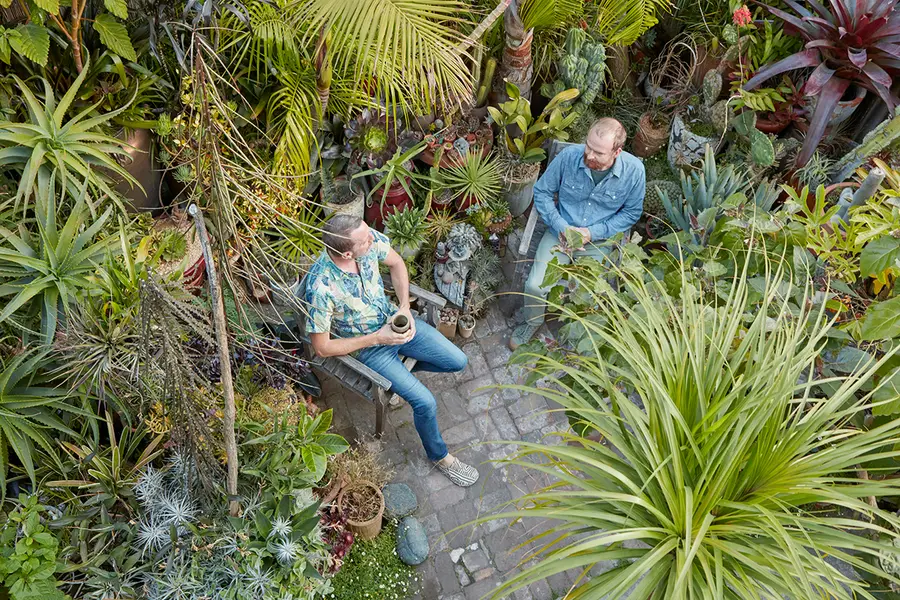 Garden storyInspiration from Clarke de Mornay's Patio GardenIf you’ve spent any time at Flora Grubb Gardens in SF, you’ve most likely experienced the warmth, plant genius, and general fabulousness of our beloved Clarke de Mornay. Now take a peek into Clarke’s own gorgeously detailed and eclectic home garden, a paradise for plant collectors!
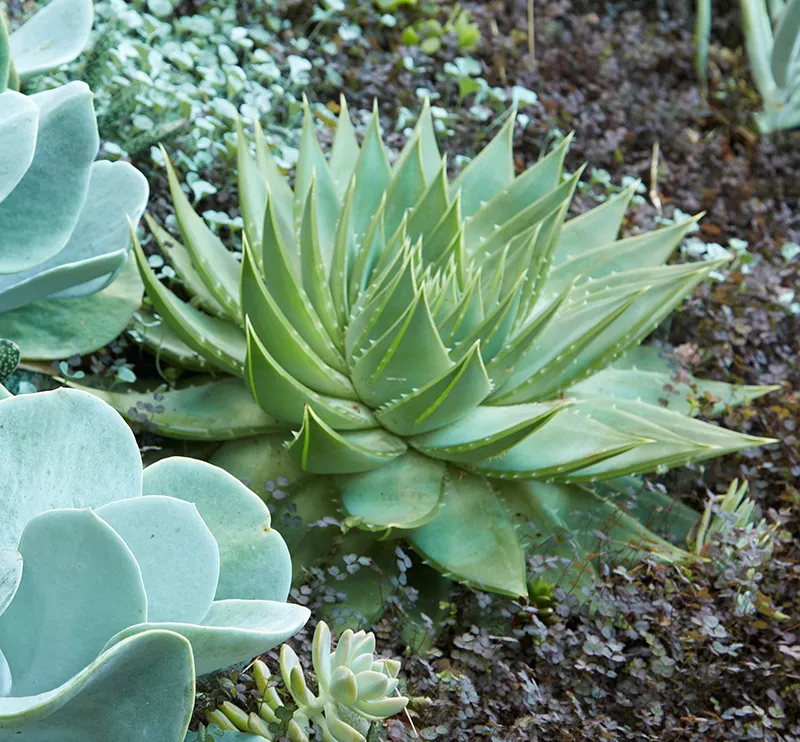
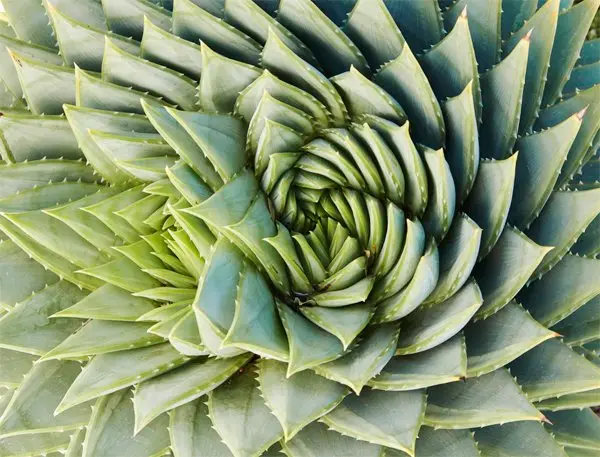 Garden storyThe Magical Spiral Aloe Plant at Flora Grubb SF!The rare and mesmerizing Aloe polyphylla starts small and grows into a perfect spiral.
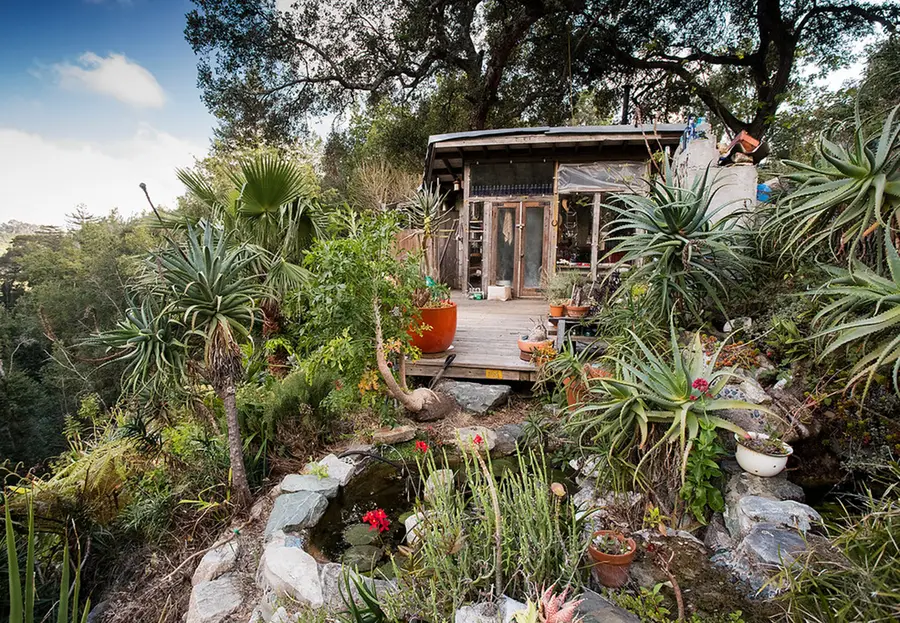 Garden storyGrow Aloes in California : An Aloe Manifesto by Tyson CurtisMy name is Tyson, and I’ve traveled the world in search of rare and elusive aloes and literally worshipped at their feet. This is my manifesto on why aloes are misunderstood, which I believe begins with the ubiquitousness of Aloe vera. Let’s shatter the preconception that all aloes somehow fall into this single category and come to truly appreciate the versatility of the genus Aloe.
More Info
We have heard of spiral aloes growing along the coast in LA in Sunset Zones 23 and 24, but even the best growers report that they drop out before reaching maturity.
We have friends successfully growing this plant in Southern Oregon, along the coast in Sunset Zones 5 and 6.
There is also one report of a mature spiral aloe happily grown under the shelter of a deck in Sunset Zone 7, in the Sierra Foothills. This particular plant is occasionally covered in snow during the winter, as spiral aloes are in habitat.
Links
The above information reflects the observations of Grubb and Nadler and our extended plant community. We always consider input from fellow horticulturists and welcome feedback from those with additional information on the culture of this plant.
© 2020–2026 Grubb and Nadler. All rights reserved.