
Chamaedorea costaricana
bamboo palm
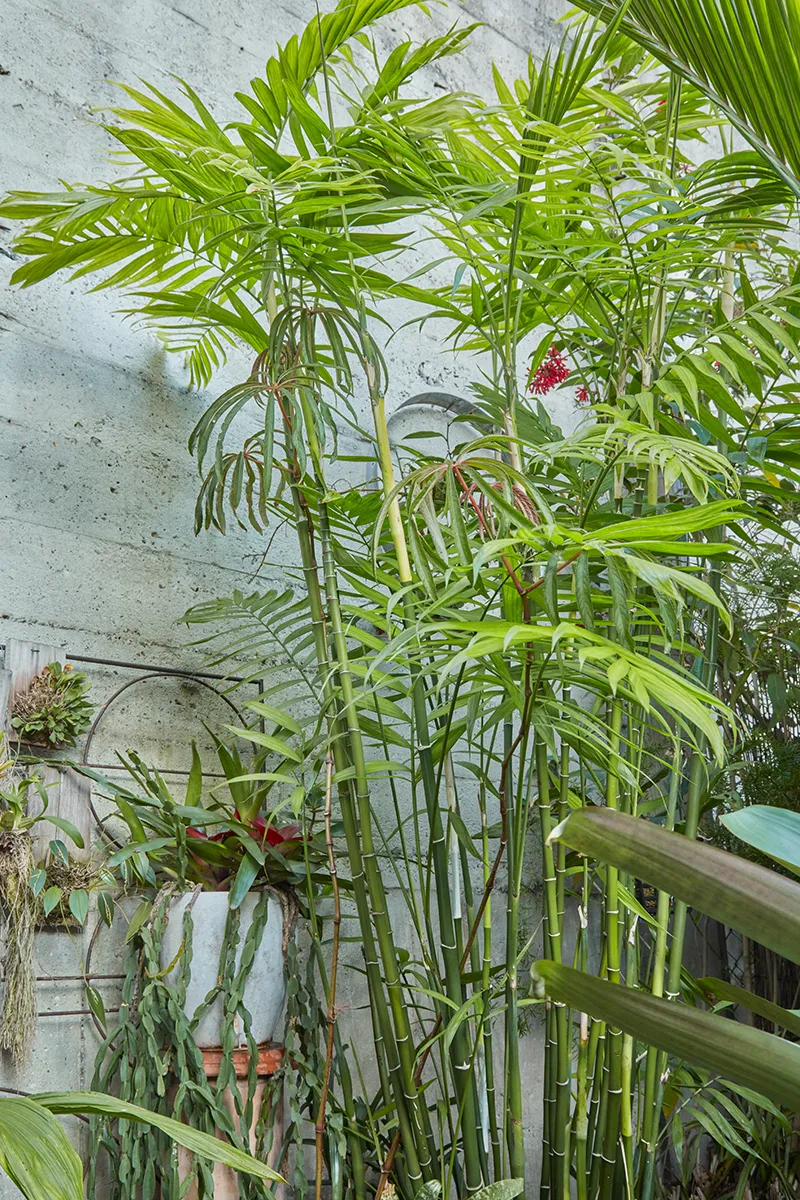
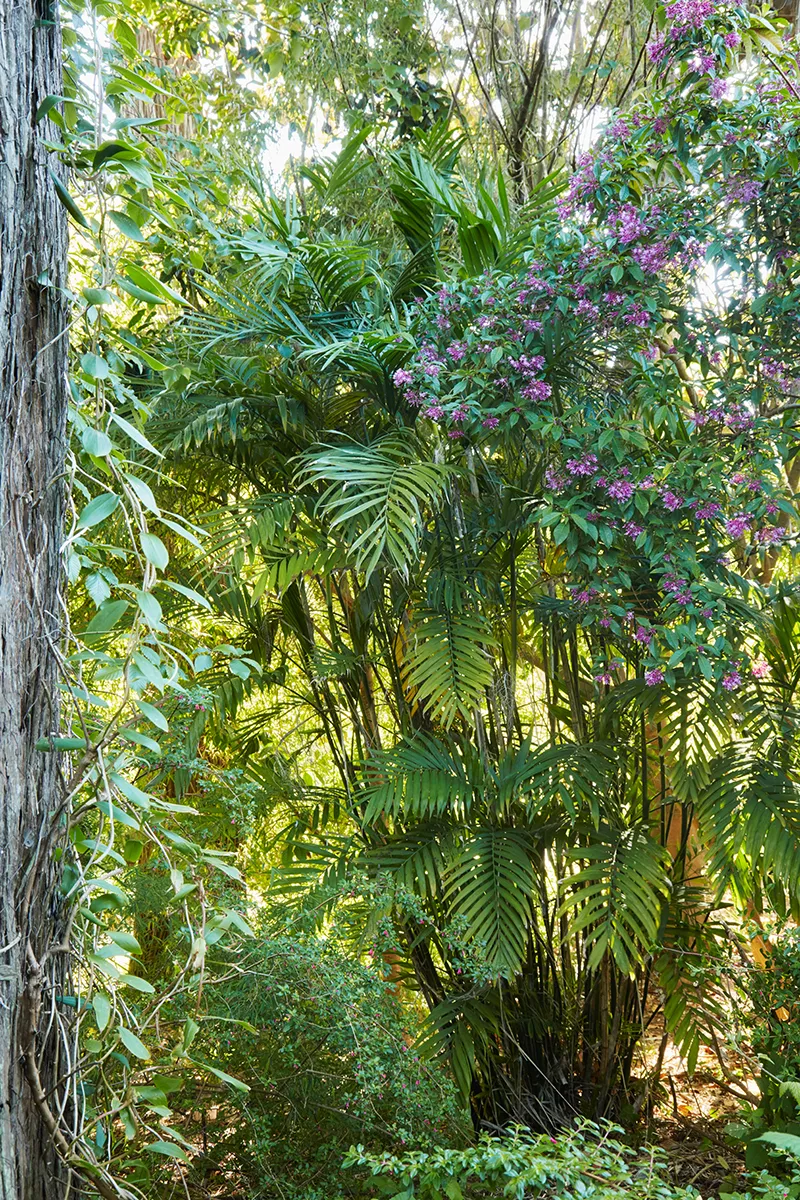
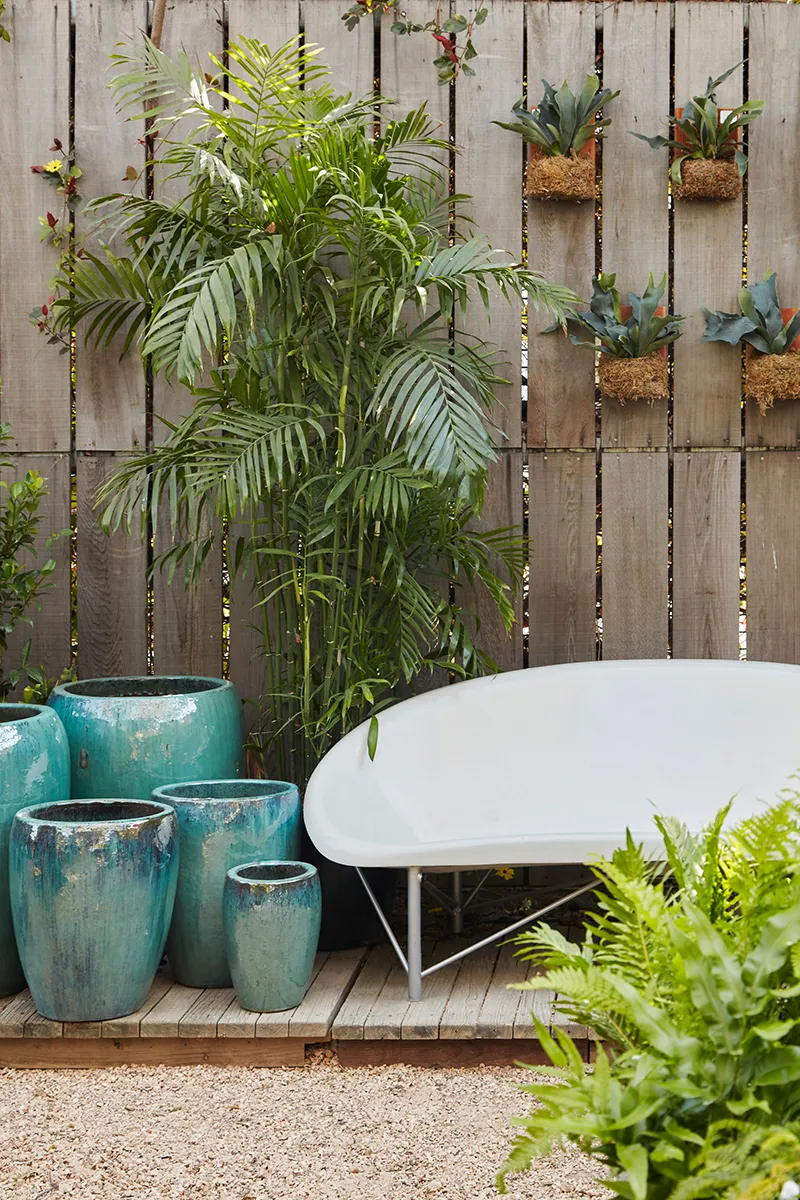
Bamboo palm. Fast, upright grower. Excellent for the fog belt. Nice in a pot. Tolerates morning or late PM sun at maturity. Fragrant flowers, showy black fruit on orange stalks.
 Height | 6–18ft |
|---|---|
 Width | 6–10ft |
 Tolerates | Cool Summers, Deer, Narrow Planting, Pots |
 Water needs | Moderate |
This palm should be watered deeply every week or two once it's established. It doesn't want to ever dry out completely. | |
 Hardy to | 28°F |
 Exposure | Full Shade – Part Shade |
 Plant traits | Foliage Feature, Hedge, Palm, Screen, Suckering, Tropical |
 Indoor / outdoor | Outdoor |
 Drainage | In Ground: Cactus Mix, In Pots: Cactus Mix, Tolerates Sandy Soil |
 Fertilizing | All Purpose, Palm Fertilizer |
 Origin | Central America |
 California native | No |
 Sunset zones | 16, 17, 21–24, H1, H2 |
Growing Notes
It can take some morning sun or afternoon sun, but shade is its fave. It's not one for frosty inland valleys, but should do fine in protected spots in warm-summer places like Palo Alto or Marin, where it won't reach lower than 28F. Not great indoors.
Palms are generally heavy feeders, so if you want them growing quickly and looking their best, they should be fertilized at least three times a year. Fertilizing at spring equinox, summer solstice and fall equinox will allow for a winter rest. Be sure to feed your palm with a fertilizer that contains micronutrients, especially if you see yellowing leaves or yellow spots on the leaves. Be sure your palm fertilizer contains micronutrients, particularly magnesium.
Suckering palms like this one send out additional palm trunks from the base of the palm over time, so that you'll end up with multiple trunks on one palm. If you want fewer trunks, go ahead and thin out the suckers; just be sure to do it when they are young to avoid unsightly scarring later on.
You can prune off older chamaedorea leaves when they start to look ratty, or wait until they are completely dried up. Either way, once the leaf sheath (the part of the leaf that wraps around the trunk of the palm) dries up, you can just pull it right off, exposing the green trunk. Once this is done, your palm trunks will resemble bamboo canes, which is what gives this palm one of its common names: the bamboo palm.
With leaves growing in a single plane along most of the rachis, the feather palm has an elegant look to it.
Special Interest
Low maintenance bamboo substitute.
This palm's juicy lush look is an absolute must-have when creating a tropical garden in a temperate climate. Mix it with other broad-leafed flowering plants like cannas, hedychiums, philodendrons, or monsteras.
Chamaedorea costaricana is the fastest, most fog-loving of the species we grow.
Stories featuring this plant
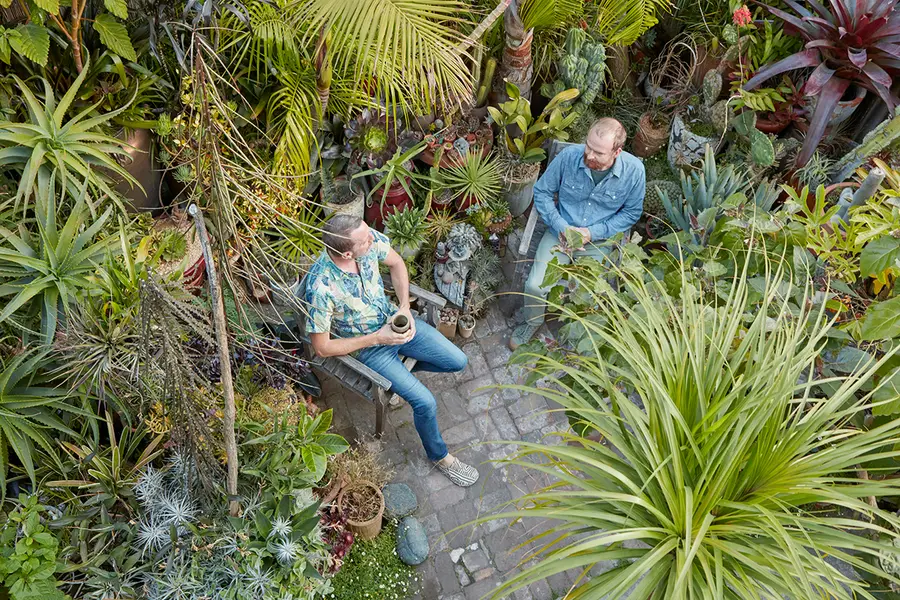 Garden storyInspiration from Clarke de Mornay's Patio GardenIf you’ve spent any time at Flora Grubb Gardens in SF, you’ve most likely experienced the warmth, plant genius, and general fabulousness of our beloved Clarke de Mornay. Now take a peek into Clarke’s own gorgeously detailed and eclectic home garden, a paradise for plant collectors!
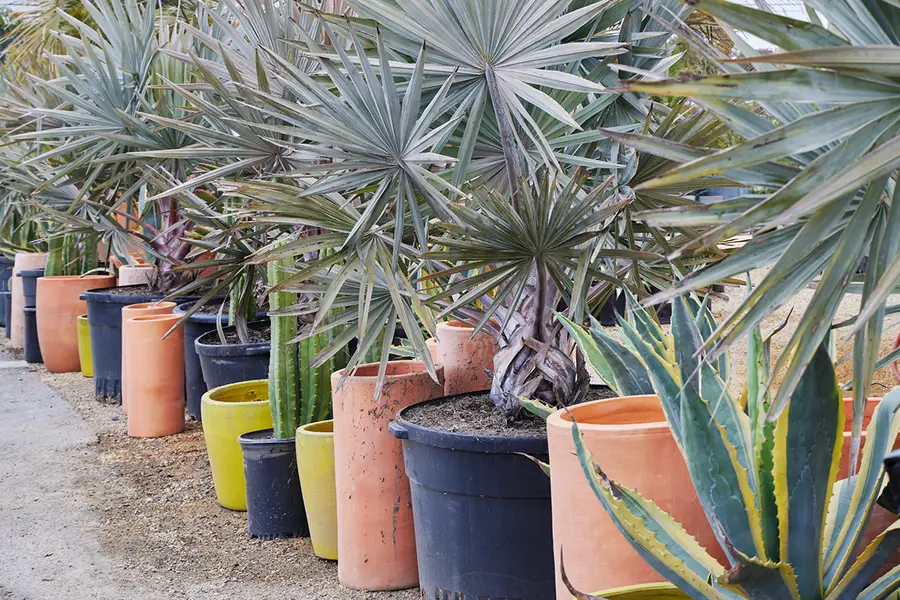 Garden storyPalms for Tight SpacesThere are many challenges when planting a garden, including considering damage to retaining walls, sidewalks, foundations, and underground utilities. Often the easiest way to overcome these tricky spots is planting small plants that won’t have a large impact on nearby infrastructure. But what if you need a larger, more substantial element?
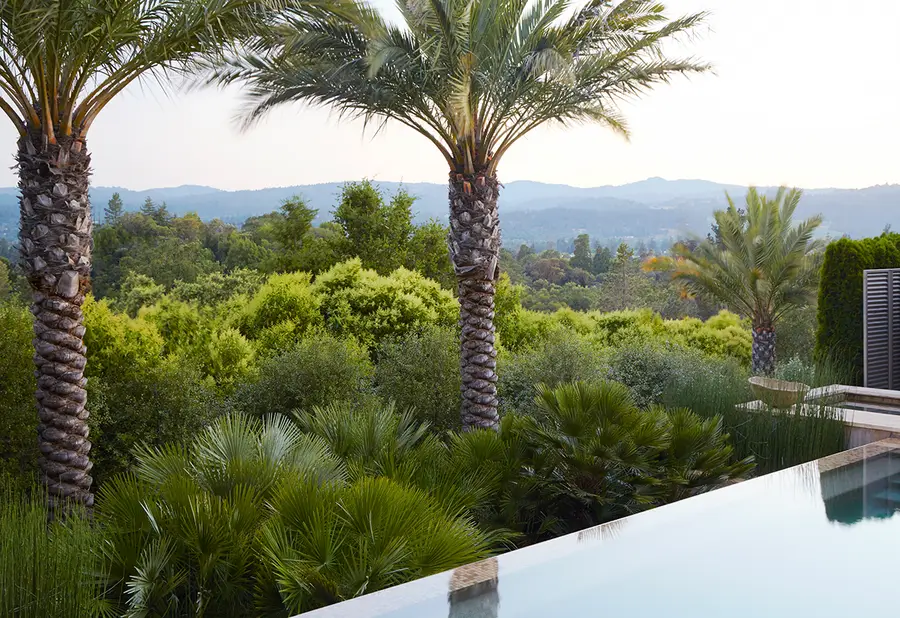 Garden storyThe Ultimate Guide to Growing Palm Trees in Coastal CaliforniaWe can grow many kinds of palms in our coastal California gardens — palm trees, shrubby palms, bamboo palms, little foliage palms — lucky us! Our guide to everything palm has all the info you need to make the best selections for your garden.
Links
Which store do you shop at?
The above information reflects the observations of Grubb and Nadler and our extended plant community. We always consider input from fellow horticulturists and welcome feedback from those with additional information on the culture of this plant.
© 2020–2026 Grubb and Nadler. All rights reserved.