
Chondropetalum tectorum
cape rush
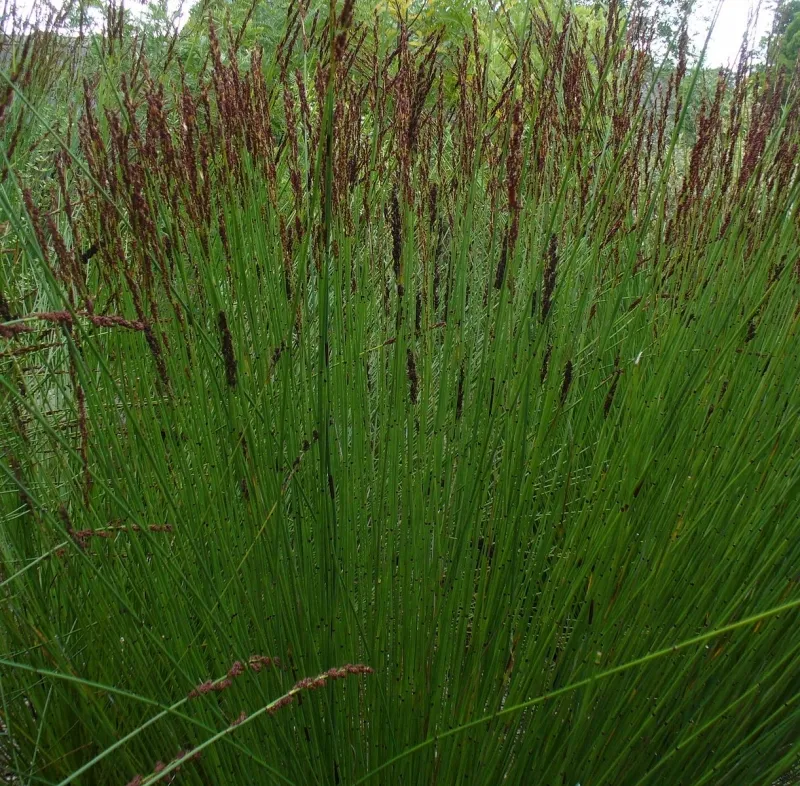
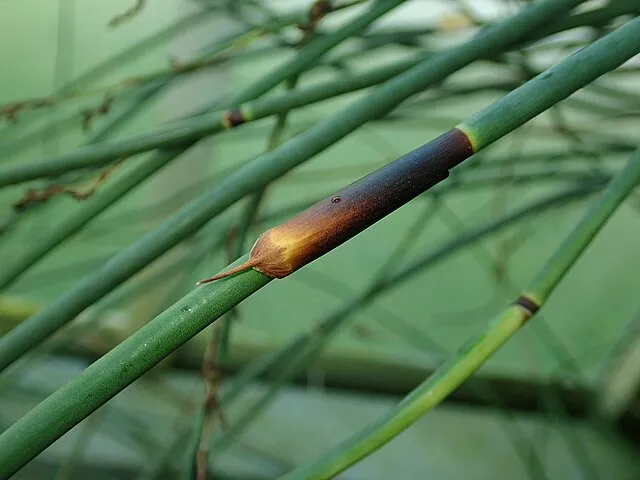
Wiry grass-like growth with ornamental joints and flower-heads. Excellent in containers. Elegant and neat.
 Height | 3–5ft |
|---|---|
 Width | 2–3ft |
 Tolerates | Drought, Heat, Narrow Planting, Pots, Wind |
 Water needs | Low – Moderate |
Restios are drought-tolerant plants, but they tend to look better with weekly or bi-weekly water once established. These plants grow in seasonally dry areas of Africa, but in low swales and gullies where water tends to collect. Restios are also quite adaptable to high levels of watering, provided there is good drainage. | |
 Hardy to | 20°F |
 Exposure | Part Shade – Full Sun |
 Plant traits | Clumping, Grassy |
 Indoor / outdoor | Outdoor |
 Drainage | In Ground: Cactus Mix, In Pots: Cactus Mix, Tolerates Sandy Soil |
 Fertilizing | Acid 1/2 Strength, Bloodmeal, Low Needs, No Phosphorus |
 Origin | South Africa |
 California native | No |
 Sunset zones | 8, 9, 14–24 |
Growing Notes
Generally thrives without fertilizer. If fertilized use a high nitrogen low phosphorus and potassium fertilizer such as blood meal or fish emulsion. Phosphorus in particular should be avoided. Prefers lightly acidic soil; add sulfur or iron if necessary.
Thin out older stems in late winter to keep it looking fresh or cut down all the stems to the ground before new shoots arrive in spring. Avoid pruning the stems half way down. This won't hurt the plant, but is unsightly, especially when new shoots fill in.
Special Interest
Stems become nodding and fountain like in the summer, under heavy blooms.
Plants are dioecious (male and female on separate plants) though the flowers look very similar.
Links
Which store do you shop at?
The above information reflects the observations of Grubb and Nadler and our extended plant community. We always consider input from fellow horticulturists and welcome feedback from those with additional information on the culture of this plant.
© 2020–2026 Grubb and Nadler. All rights reserved.