
Euphorbia ingens
candelabra tree
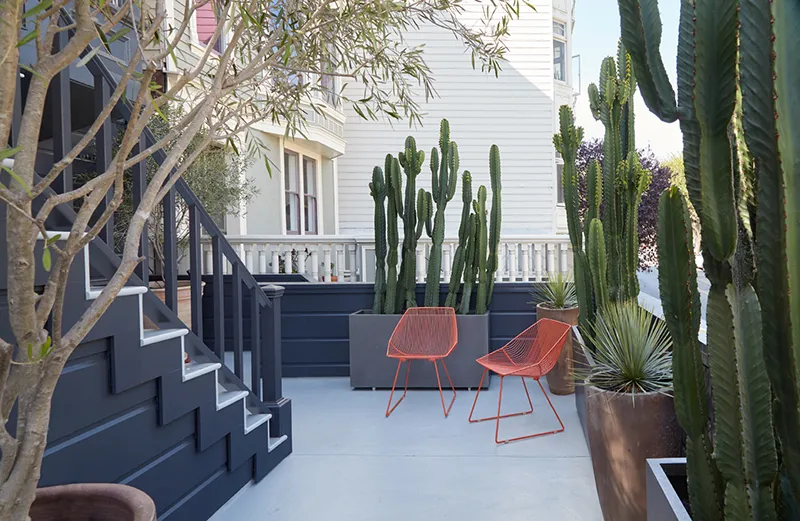
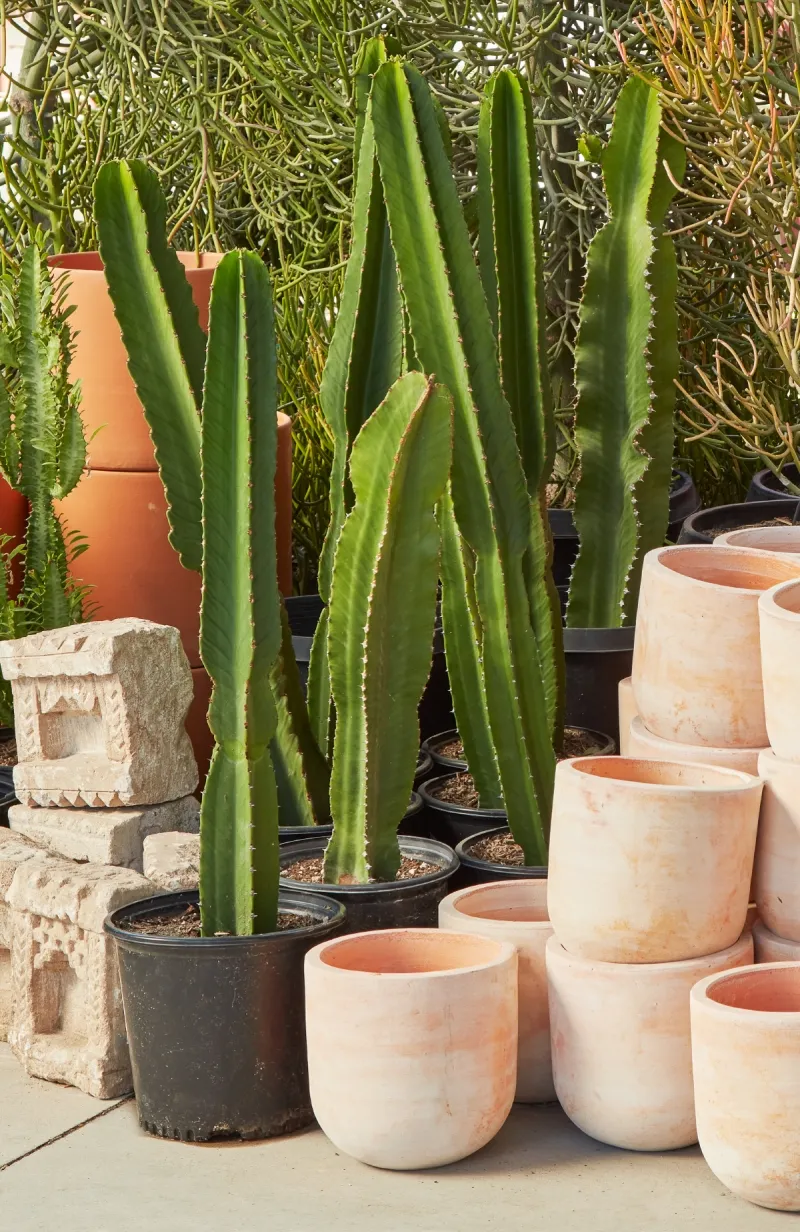
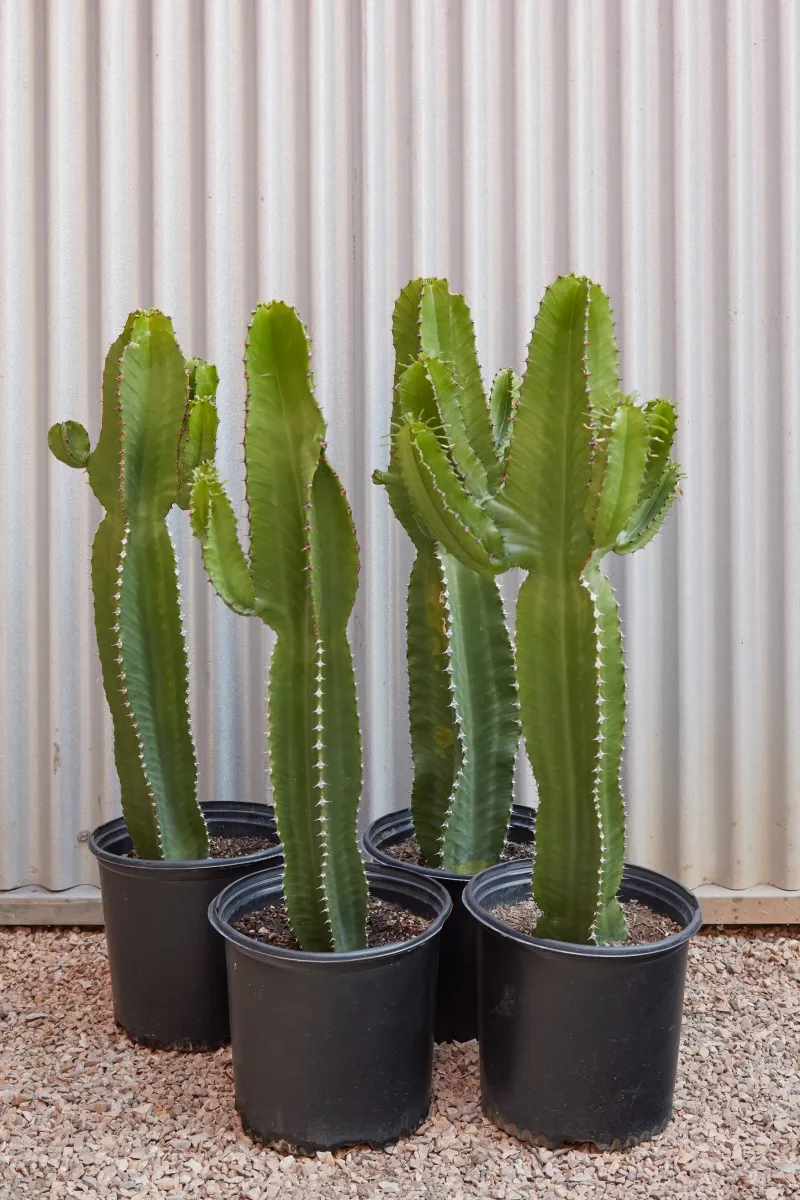
Cactus-like, candelabra-shaped succulent spurge can become grand and tree-like with age. Great in a pot.
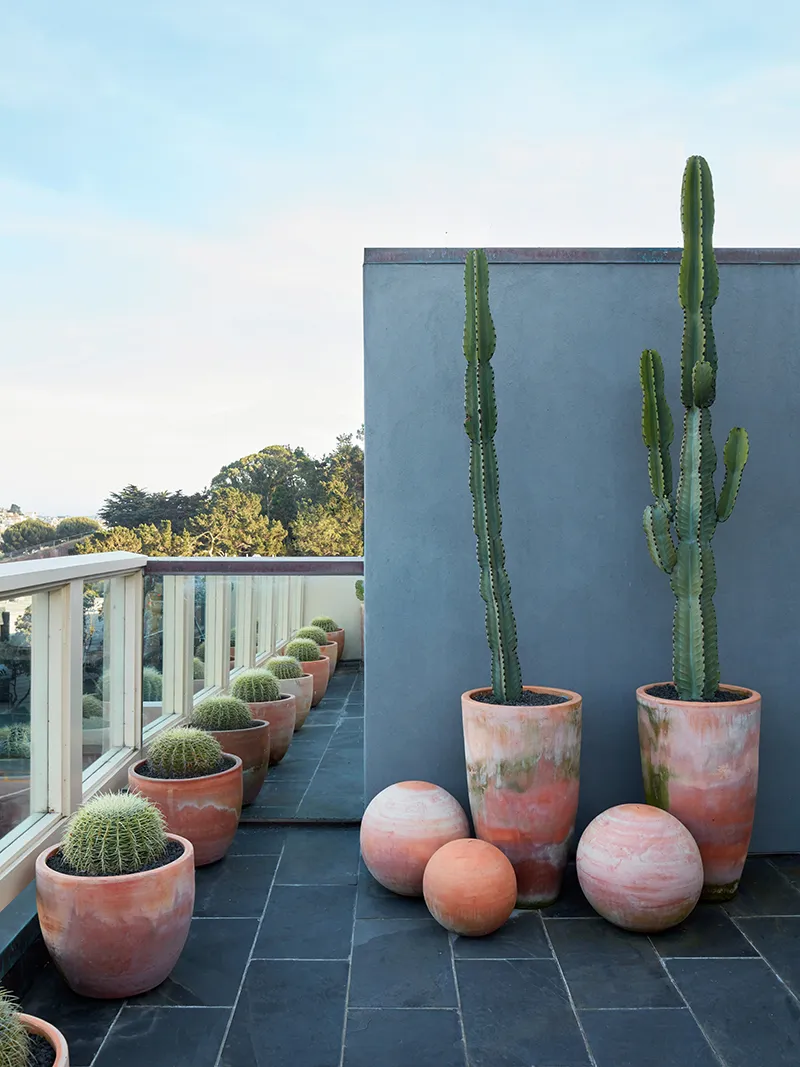
Seen in Rooftop Inspiration From Oliver Gardens →
 Height | 10–15ft |
|---|---|
 Width | 10–15ft |
 Tolerates | Drought, Deer, Gophers, Heat, Pots, Rooftops, Neglect, Wind |
 Water needs | Low |
Columnar euphorbias are very drought tolerant but will grow faster if they receive some summer water, usually every couple weeks to a month once established (let the plant dry out between waterings). If you aren't getting summer growth you may be underwatering. These plants prefer a dry winter; outdoors in central California, they won't need supplemental winter water once established. | |
 Hardy to | 27°F |
 Exposure | Part Shade – Full Sun |
 Indoor / outdoor | Outdoor |
 Origin | S Africa |
 California native | No |
 Sunset zones | 13, 16, 17, 19–24 |
Growing Notes
Columnar euphorbias can get surprisingly large, so be sure to note the size, and place your plant accordingly.
They respond well to pruning. They will look scarred for a while, but then will push new growth wherever they are pruned, often giving you several new growth points. Take care when pruning, as euphorbias have toxic sap that can cause a skin rash or damage to the eyes (make sure to rinse repeatedly with water if sap gets anywhere near your eyes).
They like a warm sunny exposure but do surprisingly well in shady areas as long as they aren't given extra water during winter.
As columnar euphorbias grow they will transition from colorful and smooth new growth to dull, brown and rough older growth. This is called corking, and it is totally natural. Think of this like an oak tree where the new shoots are shiny and green, but then eventually you get a trunk covered in rough dull bark.
Soft dark brown spots on Euphorbia are usually a sign of rot. Carve these spots out with a sterile knife immediately (carve all the way back to healthy-looking tissue). Rot usually results from overwatering, but it can also be caused by drastic under-watering. Occasionally this will start at the base of the plant, which means the roots have rotted. If you'd like to save the plant you'll need to remove the top above the rotten base, let the top sit for two weeks in a shady spot, and then replant in very sharp-draining soil. Place the cutting in a warm spot to re-root, preferably not in harsh sun.
Special Interest
In the movie 'The Gods Must be Crazy,' a villain hides under a columnar euphorbia, only to be outwitted when his pursuer shoots the plant, pouring down toxic sap all over him. Clearly the screenwriter knew their plants!
These plants are often confused with columnar cactus because, through convergent evolution, they have adapted into a similar form. However, euphorbias are not closely related to cactus. In fact they're more closely related to the holiday poinsettia. Some notable differences are euphorbia's latex sap, insignificant flowers, tiny little leaves when in growth, and thorns instead of spines to protect themselves.
Stories featuring this plant
 Garden storyRooftop Inspiration From Oliver GardensThere’s a beautiful rooftop dining garden in San Francisco’s Union Square. Rooftops make for challenging gardening environments, but Oliver Gardens designed a lush, layered space with a palette of durable plants.
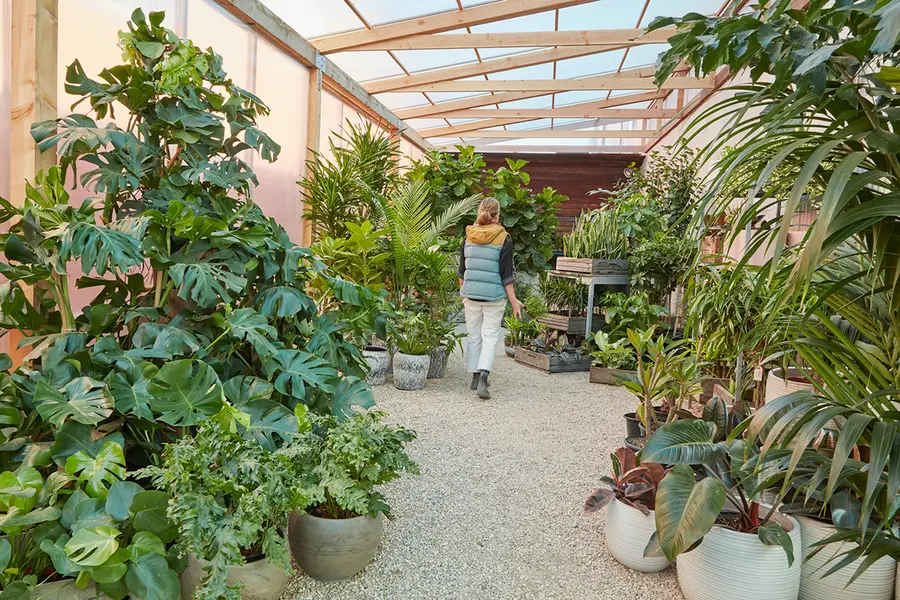 Garden storyHouseplant Care: Light, Water, and SoilHere at FGG, the question we hear most often from customers is “How often do I water my houseplant?” It sounds like a simple question, but the answer is actually pretty complicated.
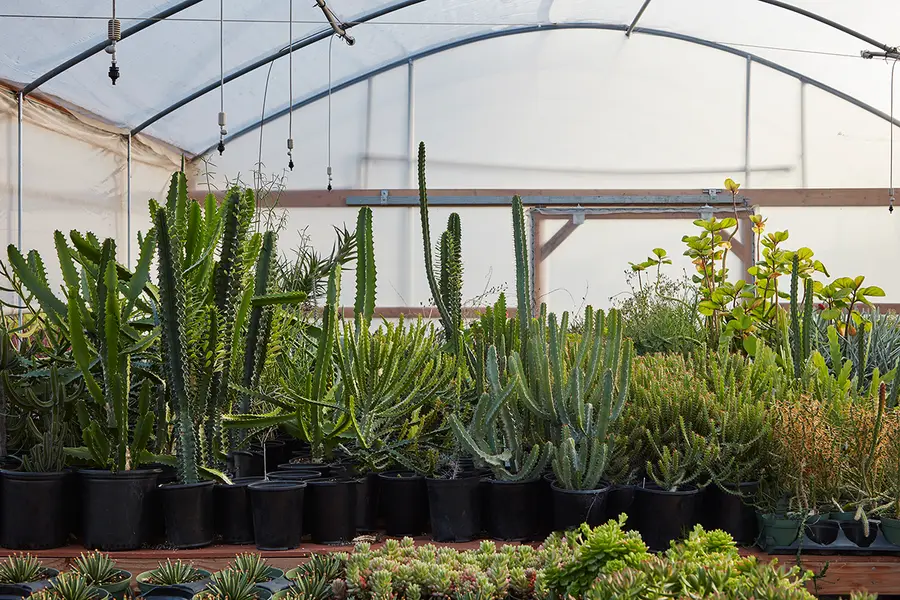 Garden storyHow to Grow Euphorbia as HouseplantsGot a very bright spot in your house that’s begging for a plant? Columnar euphorbia are intricate, sculptural succulents that will happily grow indoors with proper care and attention. Read on for some interesting facts about euphorbia and advice about growing these beauties as houseplants.
More Info
This plant also makes a great houseplant and easily transitions to a sunny warm room.
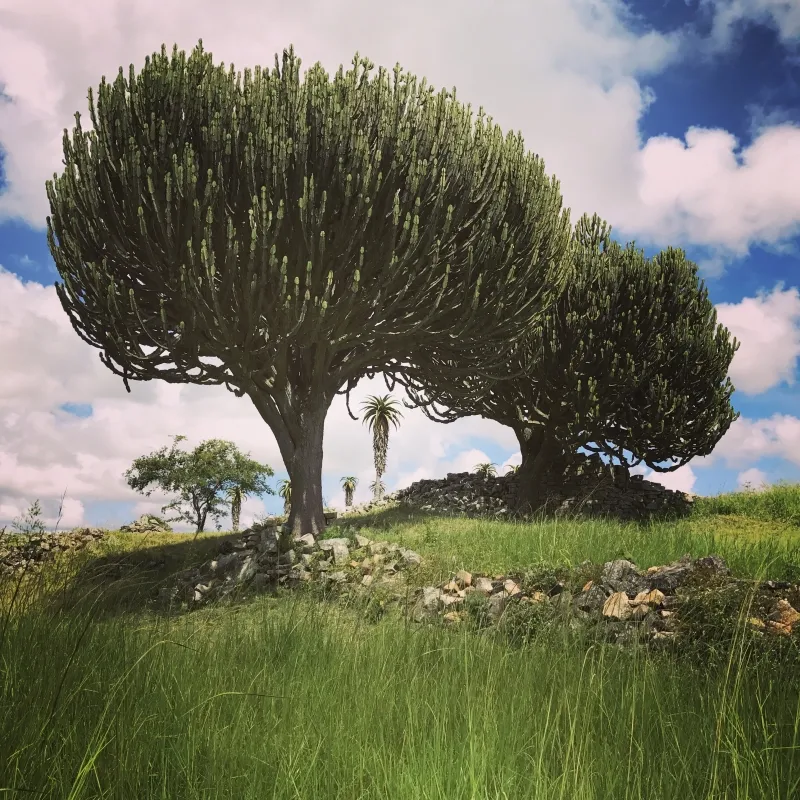
The impressive habitat picture of this tree was taken by our staff member Tyson Curtis on a trip to Africa. The aloe is Aloe excelsa.
Links
Which store do you shop at?
The above information reflects the observations of Grubb and Nadler and our extended plant community. We always consider input from fellow horticulturists and welcome feedback from those with additional information on the culture of this plant.
© 2020–2026 Grubb and Nadler. All rights reserved.