
Ficus benghalensis ‘Audrey’
banyan tree
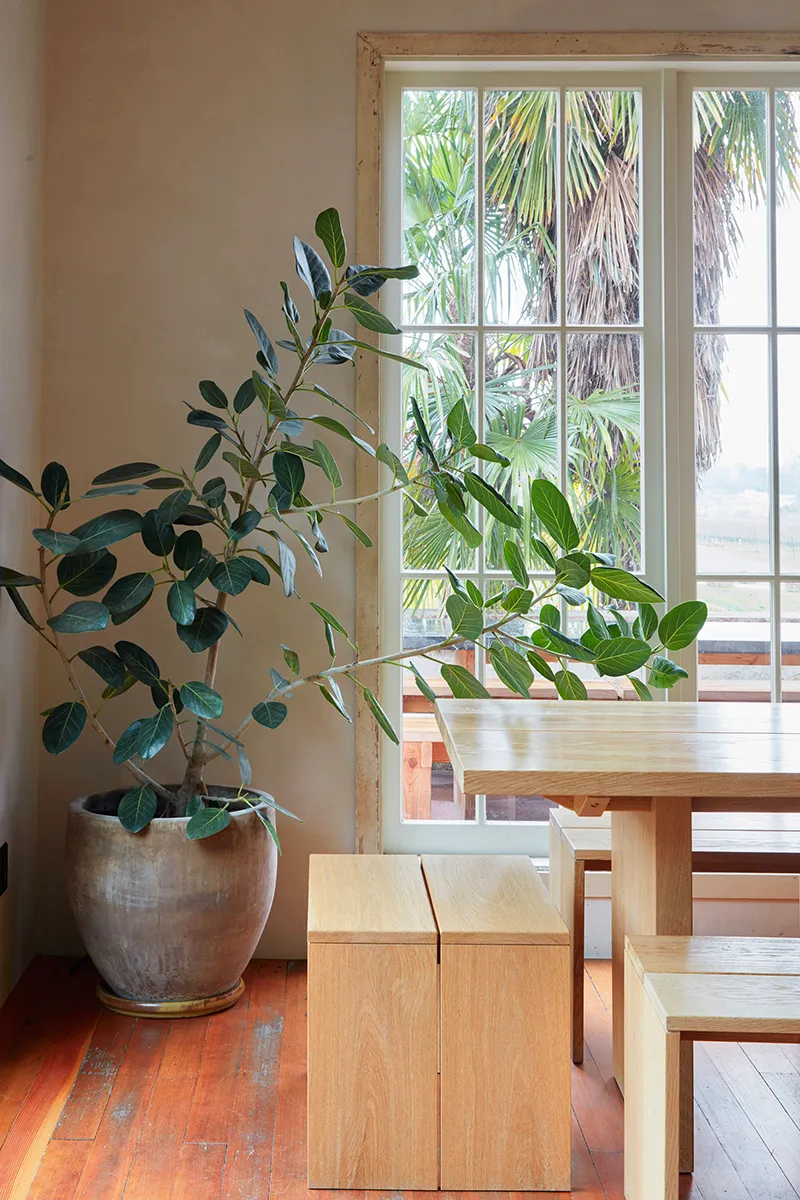
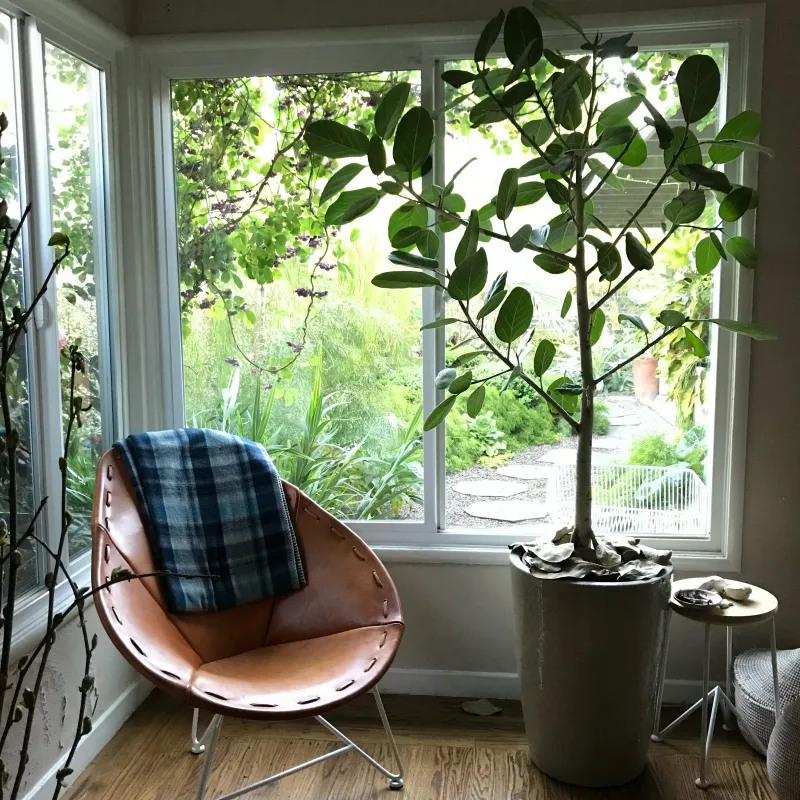
Banyan tree. Oval white-veined leaves strike a clean look against a handsome white trunk. Aerial roots in mild SoCal zones. Maintain size by pruning.
 Height | 10–50ft |
|---|---|
 Width | 6–40ft |
 Water needs | When soil surface is dry. |
This tree should be watered deeply and regularly (when the top couple of inches of soil has dried). Usually this will mean once every week or two during dry weather. A few years after the tree has been planted, once it's established, you can likely cut back to deep infrequent waterings. Use drippers, emitters a slow stream of water so that it doesn't run off; allow the water to trickle all the way down through the deepest layers of soil. | |
 Exposure | Bright Indirect – Partial Direct |
 Plant traits | Tree |
 Drainage | In Pots: Potting Soil |
 Fertilizing | All Purpose |
 Origin | India |
Growing Notes
All ficus respond well to pruning, allowing even very large ficus to be maintained at a modest size. They do exude white sap, often containing latex, so if you have a latex allergy avoid the sap.
Pruning them consistently and keeping in a smaller pot will make the leaves proportionately smaller. If you'd like to keep your tree very small (six inch to a one gallon size) remove the plant every three to five years and prune back the roots by one third. Repot in fresh potting soil.
Special Interest
Ficus make figs, which at first don't seem to be flowers. The trick is that the flowers are on the inside of the fig, which is why many figs are hollow and so unusual inside.
More Info
Isn't this really a houseplant? Well that's a tricky question. In general this type of plant makes a great houseplant, but this specific plant hasn't been grown to be a houseplant. Houseplants are grown under regulated conditions and with sterile soil, setting them up to thrive in your home. When outdoor-grown plants are taken indoors, they tend to transition poorly, often becoming magnets for pests. That said, if you decide to live dangerously and bring this plant indoors, here's some advice to help you out. Start by unpotting the plant and removing any loose soil. Next, preemptively treat the entire plant, including the roots, with an insecticidal soap. Be sure to treat the roots gently throughout this process. Use a new nursery can or sterilize the previous one with bleach. Repot the plant in a fresh mix and then water deeply with the insecticidal soap mix. Be sure to keep an extra close eye out for any pests that might pop up. Always consider the risk of introducing pests to your other houseplants.
Links
Which store do you shop at?
The above information reflects the observations of Grubb and Nadler and our extended plant community. We always consider input from fellow horticulturists and welcome feedback from those with additional information on the culture of this plant.
© 2020–2026 Grubb and Nadler. All rights reserved.