
Ficus pumila
creeping fig
Evergreen clinging vine starts slow, speeds up with age, needs to be managed. Inconspicuous flowers.
In stock in San Francisco
from $49
Growing it outdoors
 Mature size | 20–30ft tall 20–30ft wide |
|---|---|
 Exposure | Part Shade – Full Sun |
 Hardy to | 23°F |
 Sunset zones | 8–24 |
 Water needs | Moderate This plant wants water when the top of the soil is dry, but you can still feel moisture just below the surface. This plant will often fall into a once-a-week watering cycle, but remember that your watering should be based on the moisture left in the soil, which will depend partly on the moisture in the room and the weather outside. The soil 'surface'' goes a bit deeper for larger pots; for example, a plant in a 14-inch diameter pot should dry out a couple of inches deep before you water it, while a plant in a 4-inch pot will only want to dry out in the top ½ inch or so of soil. |
 Tolerates | Narrow Planting, Pots, Wind |
 Plant traits | Epiphyte, Foliage Feature, Ground Cover, Spreading, Tree, Vine - Self Clinging |
 Drainage | In Ground: Planting Mix, In Pots: Potting Soil |
 Fertilizing | All Purpose |
 Origin | E Asia |
Growing Notes
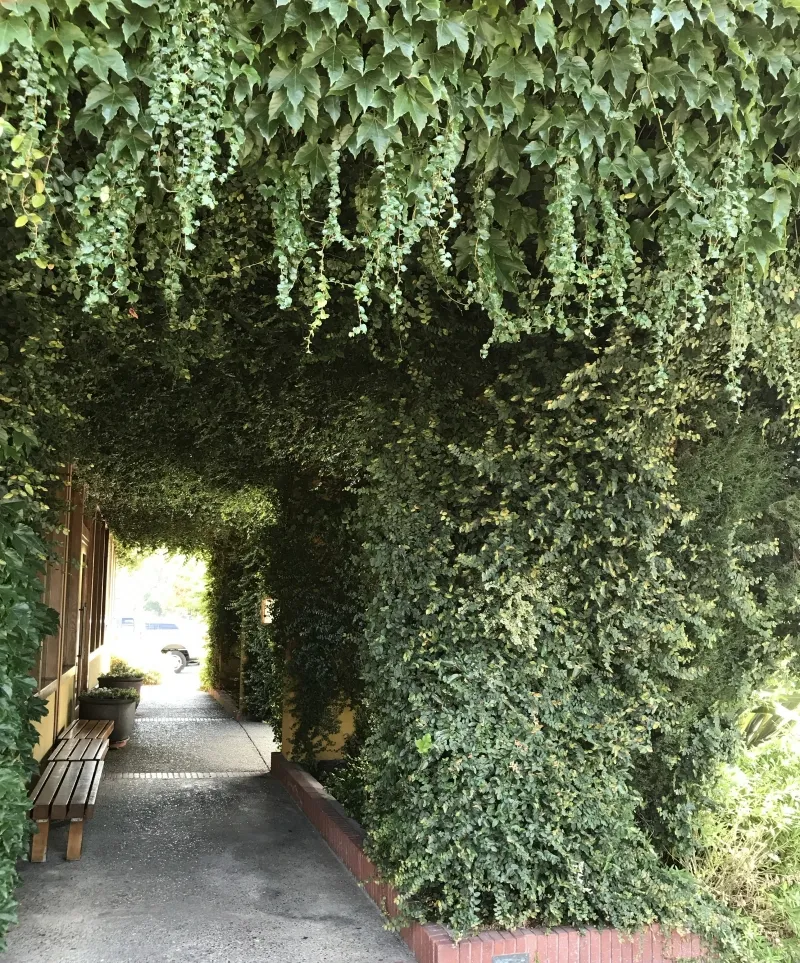
Ficus pumila's superpower is its versatility. It can become a massive plant that covers a warehouse or it can be kept in a hanging basket. It grows in shade, but also tolerates sun (though the leaves will yellow if grown in hot sun). Pumila does well indoors and out. It appreciates water, but tolerates drought (especially in the ground once established).
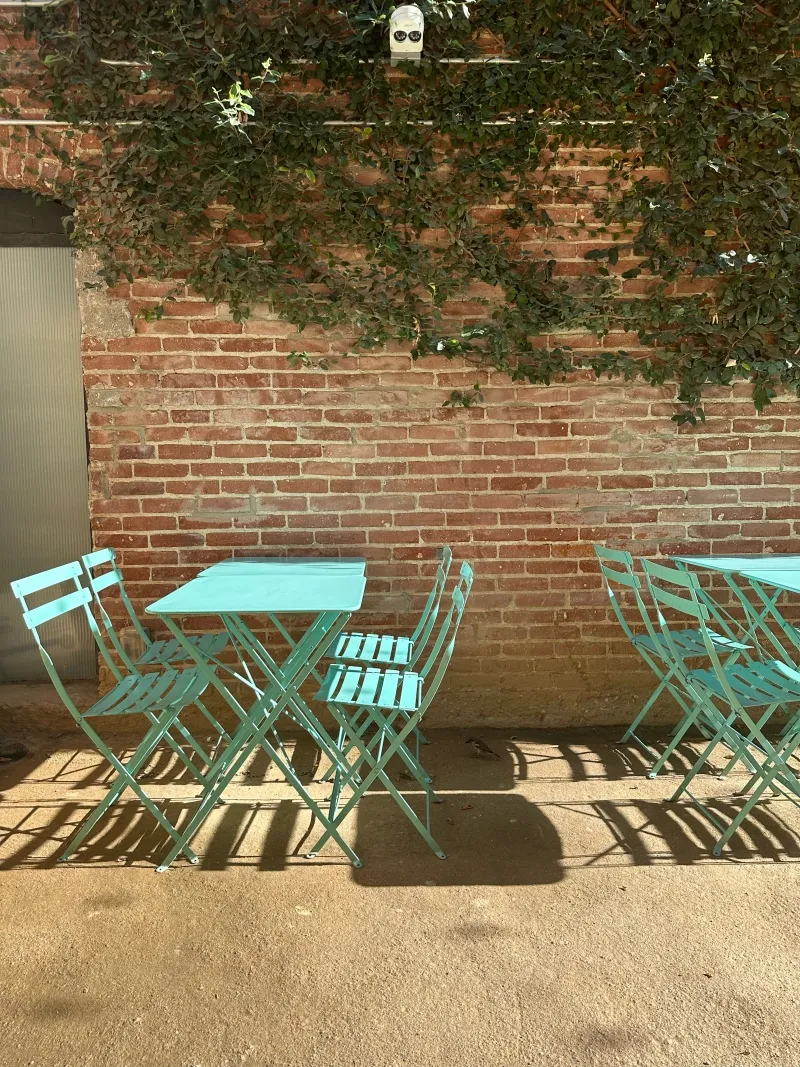
This ficus tends to present as a slow-moving vine, attaching to just about any support and slowly engulfing it, but never truly becoming a tree (as other strangler figs do). It can be sculpted into a hedge or topiary, a green wall, or opened up to see the trunk and branches giving it more treelike form. Pumila is also hardy, tolerating temperatures down to 23F easily and even lower if grown on a heat retaining wall. If grown on a wall and not pruned you risk the weight of the ficus eventually becoming so heavy that it peels the entire plant off of the wall in one big sheet. Pruning your ficus to lighten at least every couple years prevents this.
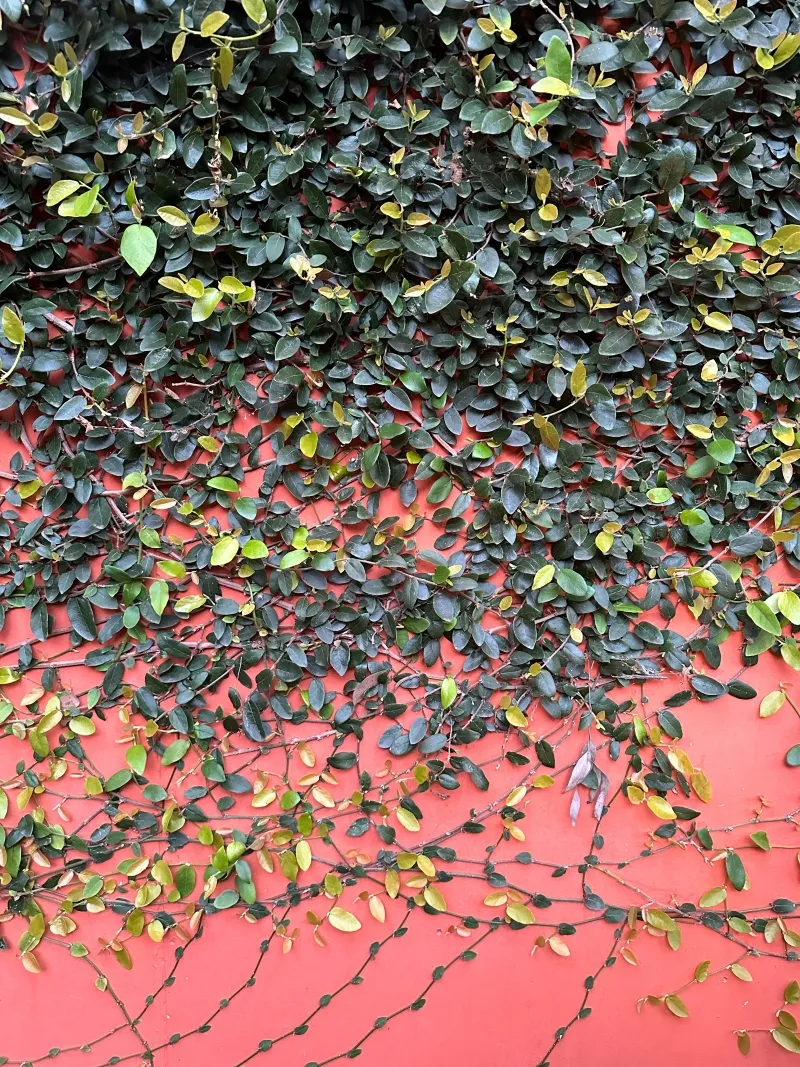
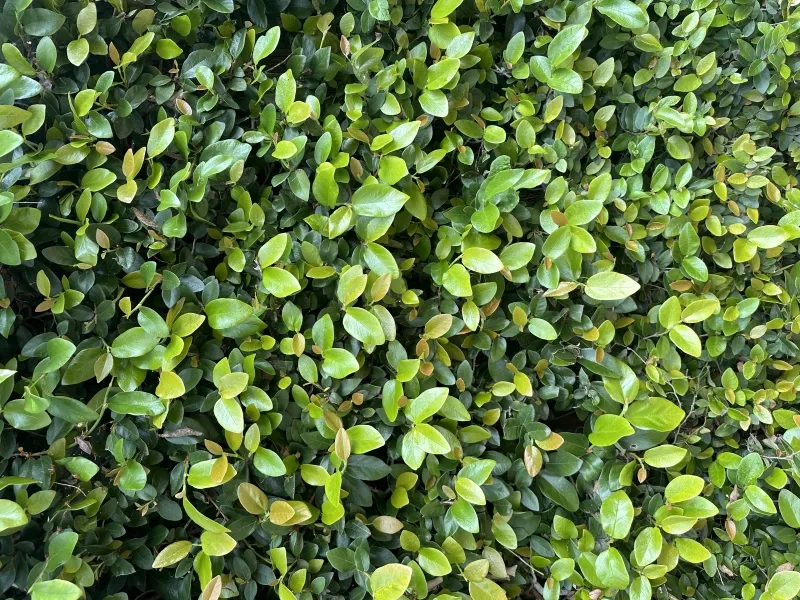
F. pumila originated in East Asia, but is now present on many continents because its so durable and adaptable. You've probably seen it growing alongside Bay Area freeways, where it makes an easygoing green covering on speedblock walls.Beyond the beauty it adds, all those leaves help absorb freeway noise. Pumila starts out slow-growing, with thumbnail-sized leaves that lie flat on surfaces like shingles. As it matures, growth speeds up, a trunk develops (usually hidden by leaves) and juvenile leaves give way to larger mature leaves that grow out on short stems, away from the structure. Pruning will keep the leaves smaller, and if a living wall or hedge is desired, you can use hedge pruners to accomplish this look.
Growing it indoors
| Mature size | 2–12ft tall |
|---|---|
| Exposure | Bright Indirect – Direct Sun |
| Water needs | When soil surface is dry. |
| Plant traits | Epiphyte, Foliage Feature, Ground Cover, Spreading, Tree, Vine - Self Clinging |
| Drainage | In Pots: Potting Soil |
| Fertilizing | All Purpose |
| Origin | E Asia |
Growing Notes
Often grown as a traling houseplant, but can also adhere to a rough surface, even indoors!
Similar plants
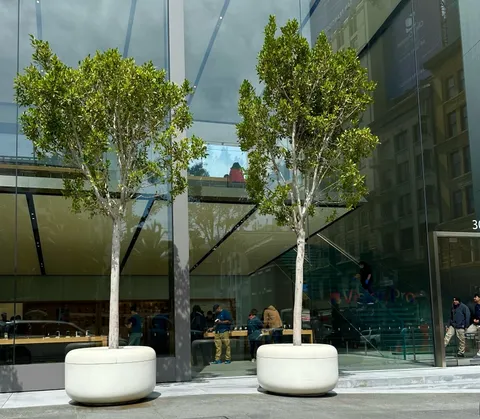
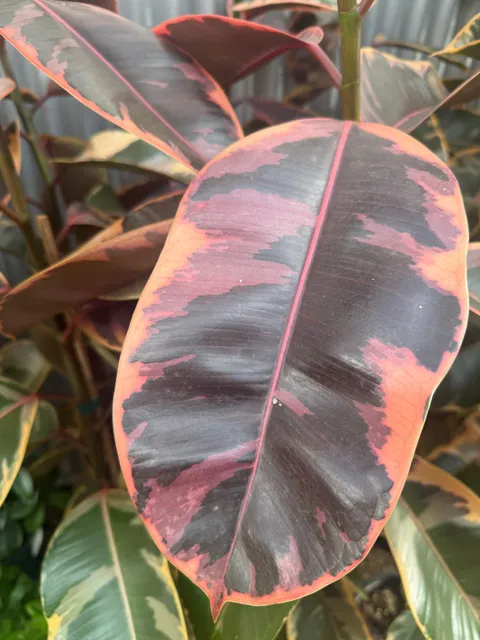
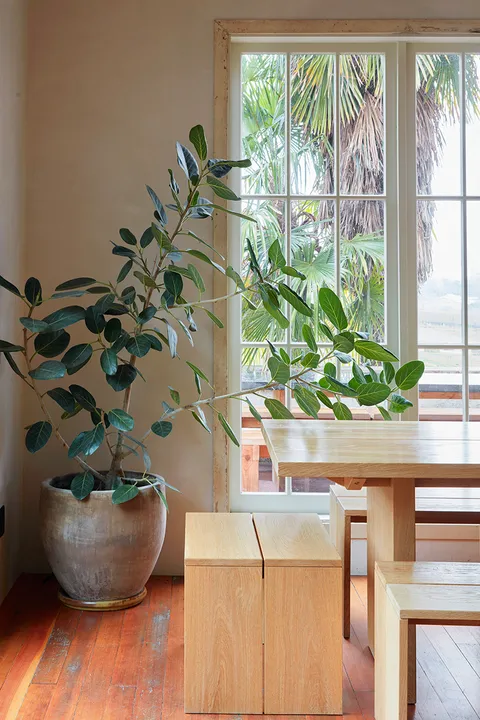
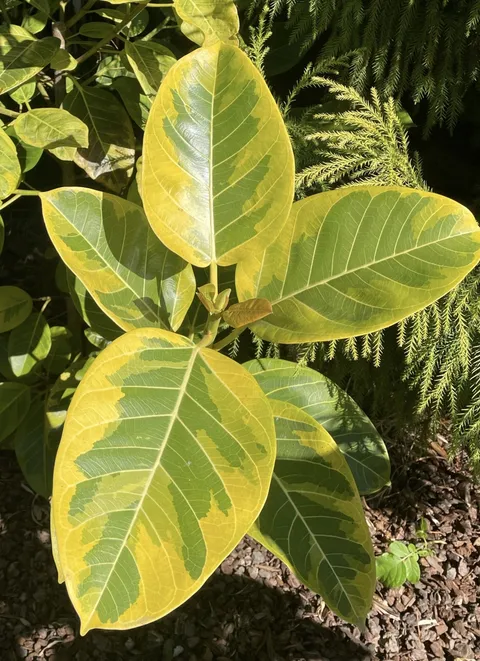
Special Interest
This shrubby vine is often seen along California freeways, where it grows on block walls, creating a green wall that deadens sound for surrounding neighborhoods.
Stories featuring this plant
More Info
This plant has been raised to live indoors; however, it can also grow outdoors in mild areas of California. Keep in mind that the plant will go through a stressful transition, especially if moved outside in particularly hot, cold, or wet weather. Even if this plant will eventually thrive in direct sunlight, it has not been grown in this level of light, so if you plant it in direct sun, just expect that the leaves may burn at first, then happily regrow as they acclimate to the new levels of light. Planting in the spring or fall will help with this transition.
Links
What we've learned from growing this plant ourselves and in our customers' gardens. We always love to hear more. Tell us
© 2020–2026 Grubb and Nadler. All rights reserved.