
Grevillea ‘Honey Gem’
honey gem grevillea
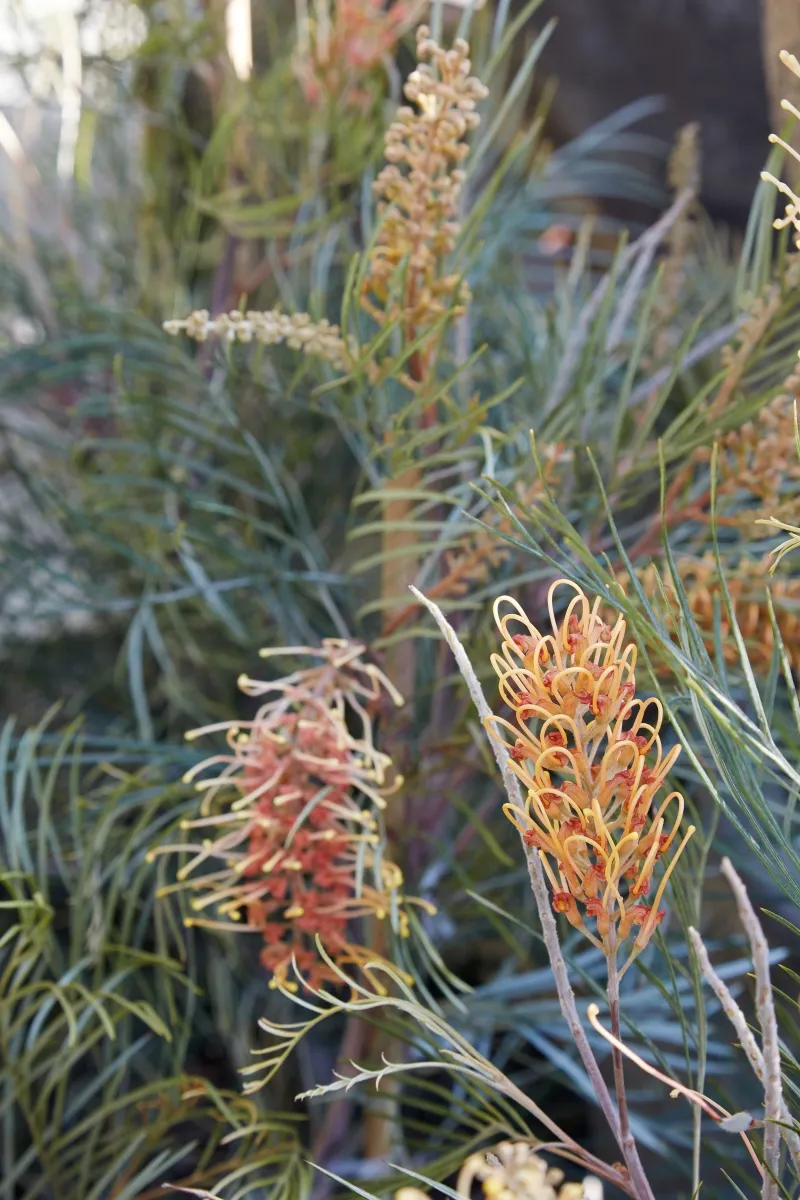
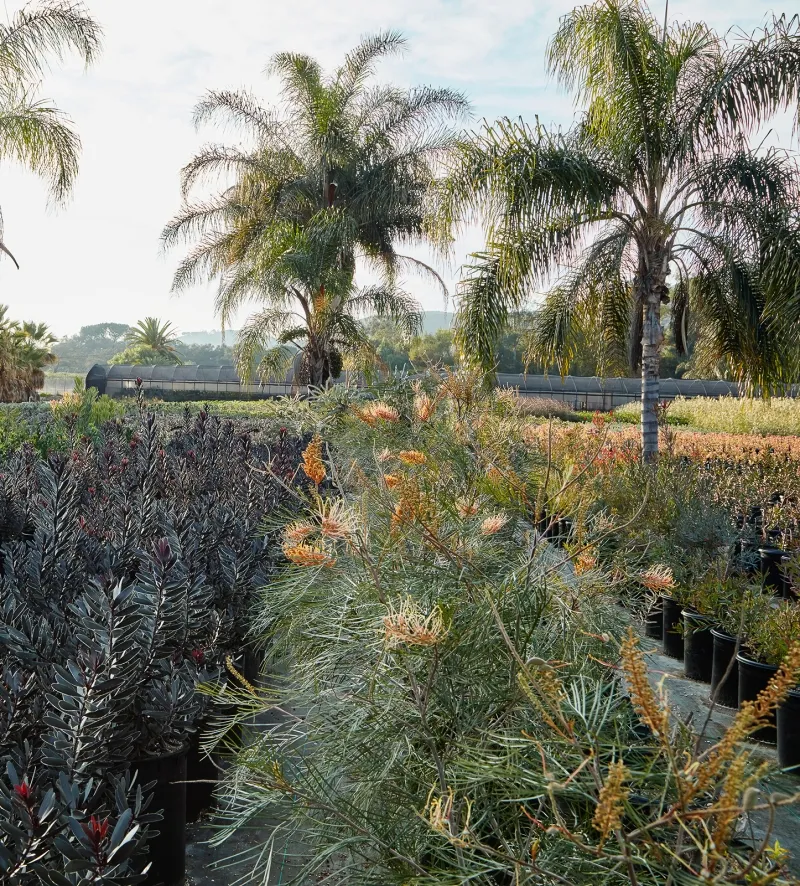
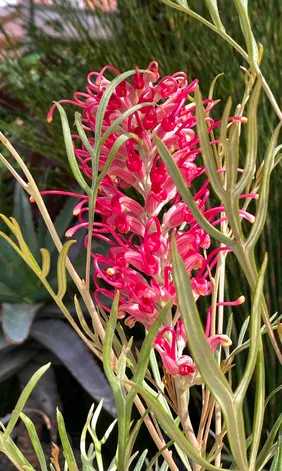
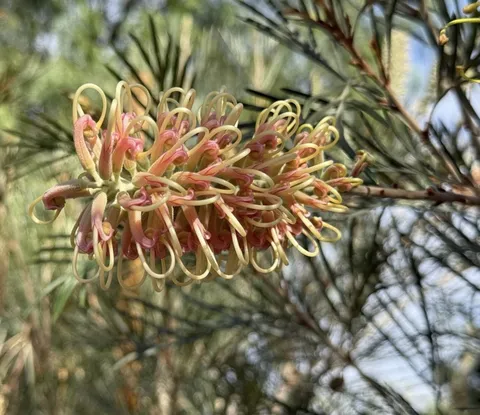
Rich gold flowers peak in late winter, lighter year-round. Tall and fast: nearly full size (12 to 20 ft) in 5 to 6 years. Avoid phosphorus fertilizers.
In stock in San Francisco and Los Angeles
from $49
 Mature size | 12–20ft tall 6–10ft wide |
|---|---|
 Exposure | Part Sun – Full Sun |
 Hardy to | 25°F |
 Sunset zones | 15–17, 19–24 |
 Water needs | Low – Moderate Grevilleas are drought tolerant, but they'll want infrequent additional summer water at least every couple of weeks once established. They prefer well-drained soil, but they're less picky than some of the other proteaceous plants. |
 Tolerates | Drought, Wind |
 Plant traits | Flowering, Humming Birds, Screen, Shrub, Tree |
 Drainage | In Ground: Cactus Mix, In Pots: Cactus Mix, Tolerates Sandy SoilGrafted also tolerates heavy soil |
 Fertilizing | Bloodmeal, Fish Emulsion, Low Needs, No PhosphorusGrafted all-purpose fertilizer is fine |
 Origin | E Australia |
Similar plants
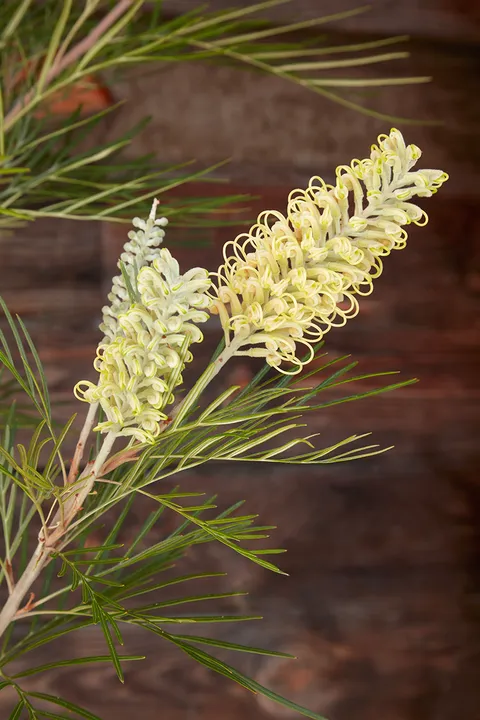
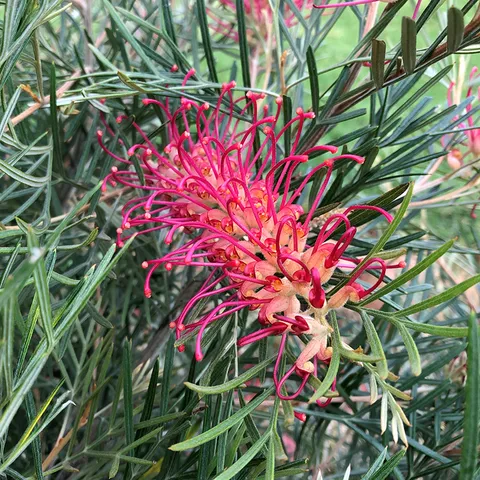
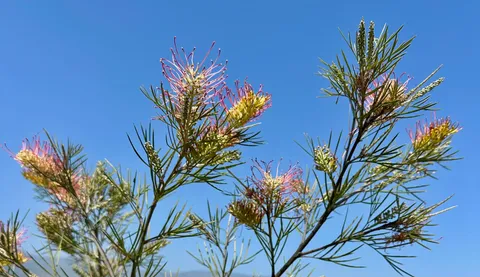
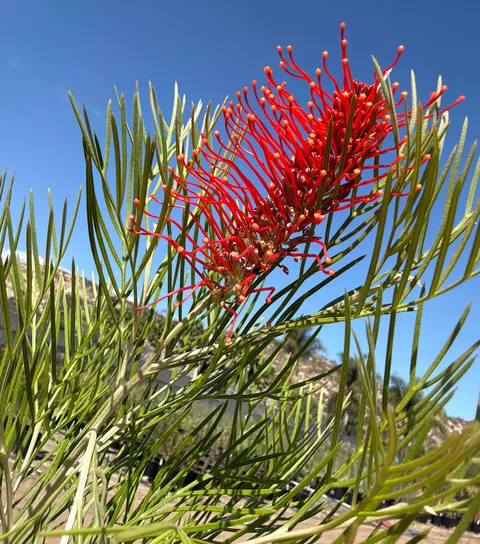
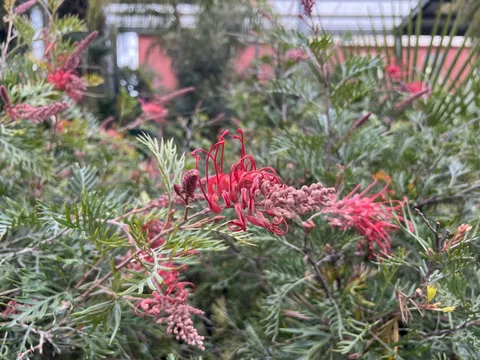
Growing Notes
While grevilleas have a naturally shrubby appearance, these larger ones can easily be pruned up into a tidy small tree by removing lower branches and suckers. They can be pruned with hedgers to make a solid wall or with pruners to create an open screen. Begin pruning early if a smaller overall plant is desirable, but don't prune more than the last two years' growth, or the plant may not bud back from where it's pruned. Remove spent flower spikes.
There is a very rare allergy to this plant. For a small number of people, contact with this plant may cause a rash.
Best flowering in full sun.
Special Interest
Excellent cut flowers also attract hummingbirds.
Stories featuring this plant
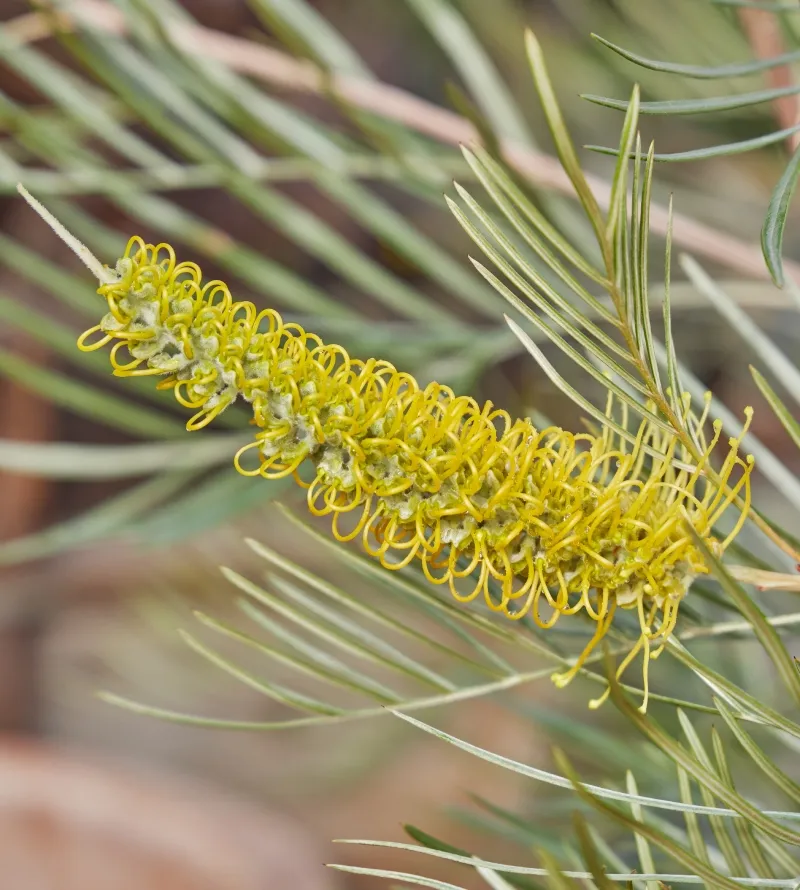 Garden storyGrafted Grevilleas: Easy Care and Exceptional PerformanceShowy Australian grevilleas grown on the tough roots of the silky oak, so they can handle our wet winters, clay soils, and richer garden beds.
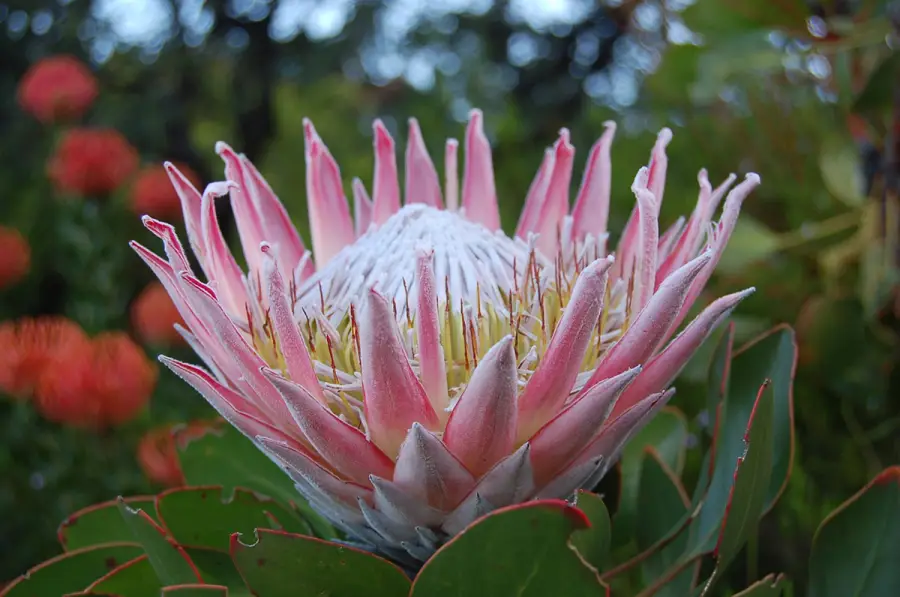 Garden storyThe Beautiful and Varied Blooms of the Protea FamilyAmong the proteaceae there is a vast variety of exotic flowers, and many of these plants have a long blooming season, especially here in coastal California, where the weather mimics their native South African and Australian coastal landscapes.
Links
What we've learned from growing this plant ourselves and in our customers' gardens. We always love to hear more. Tell us
© 2020–2026 Grubb and Nadler. All rights reserved.