
big mountain palm
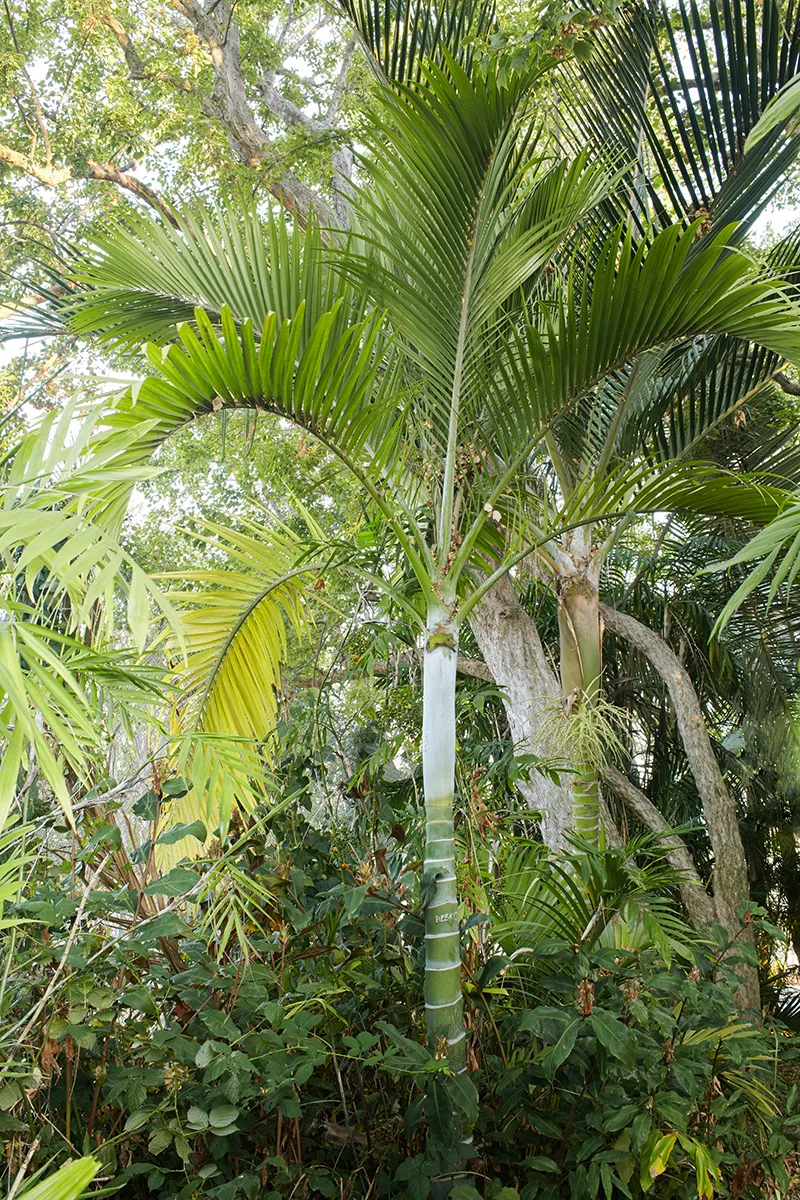
Most beautiful palm for coastal California gardens slowly becomes a small tree with wintergreen trunk. Best in fog belt or bayside.
Seen in Palms for Tight Spaces →
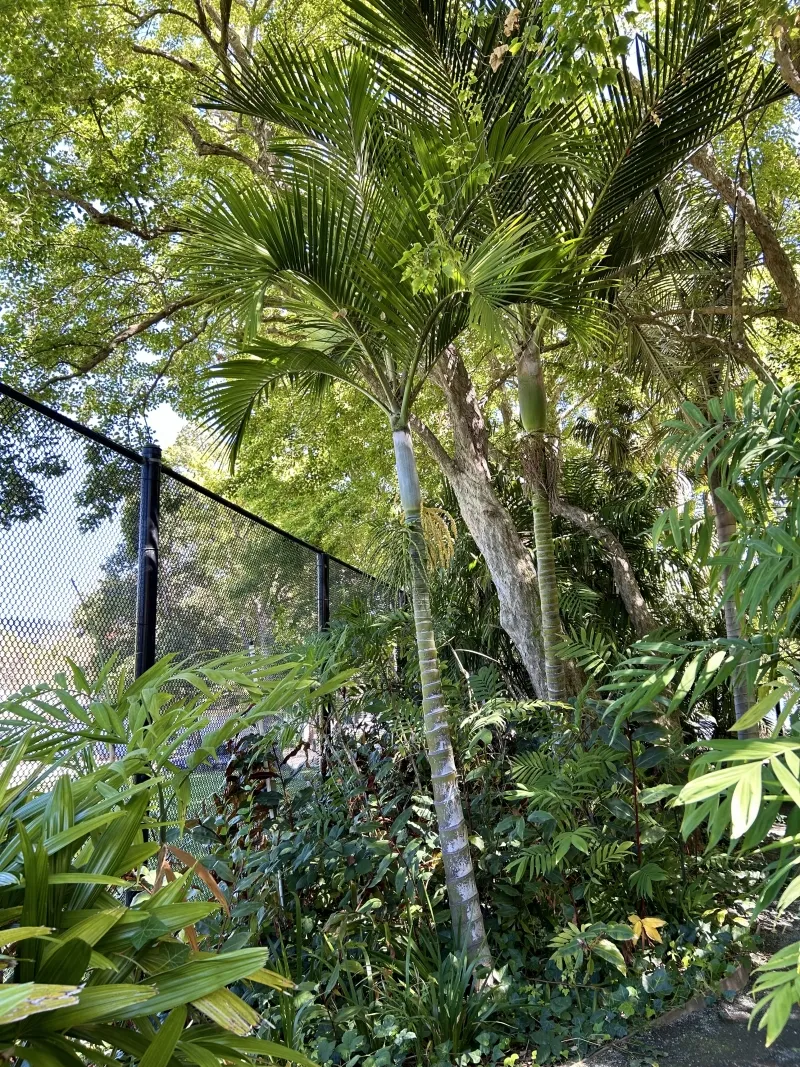
 Mature size | 6–12ft tall 3–6ft wide |
|---|---|
 Exposure | Full Shade – Part Sun |
 Hardy to | 28°F |
 Sunset zones | 17, 22–24 |
 Water needs | Moderate – High This palm appreciates consistent water, but won't tolerate soggy soil. Once it's established, be sure to water it when the top inch or two of the soil is dry. Usually this will mean watering deeply every five to seven days during the dry season. Planting this palm with good drainage will help to make sure it doesn't accidentally get overwatered. |
 Tolerates | Coast, Cool Summers, Fog, Pots, Wind |
 Plant traits | Palm, Solitary, Tropical |
 Drainage | In Ground: Cactus Mix, In Pots: Cactus Mix |
 Origin | Lord Howe Island |
Growing Notes
Palms are generally heavy feeders, so if you want them growing quickly and looking their best, they should be fertilized at least three times a year. Fertilizing at spring equinox, summer solstice and fall equinox will allow for a winter rest. Be sure to feed your palm with a fertilizer that contains micronutrients (especially including magnesium) especially if you see yellowing leaves or yellow spots on the leaves.
This solitary palm will grow only one trunk during its lifetime. If you have a pot with multiple trunks in it, that's because multiple separate palm trees were germinated in the pot. The good news is that you won't need to thin out suckers over time to maintain the number of trunks you started out with.
Once it's mature, this palm will naturally shed its leaves, leaving the trunk below the palm's crown exposed. A great choice if you're looking for a palm with a clean trunk but don't want to deal with manually removing the leaves.
With leaves growing in a single plane along most of the rachis, the feather palm has an elegant look to it.
Special Interest
This palm's juicy lush look is an absolute must-have when creating a tropical garden in a temperate climate. Mix it with other broad-leafed flowering plants like cannas, hedychiums, philodendrons, or monsteras.
Stories featuring this plant
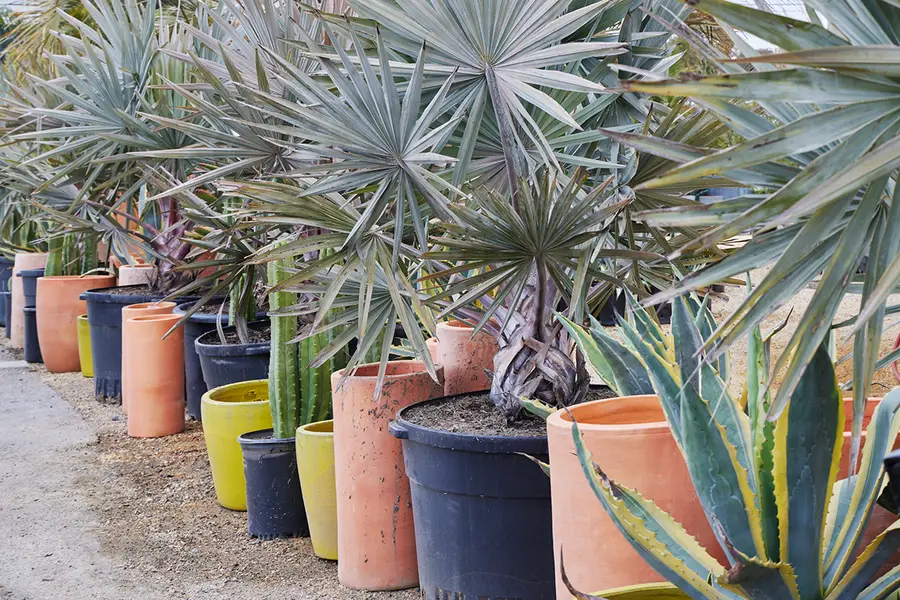 Garden storyPalms for Tight SpacesThere are many challenges when planting a garden, including considering damage to retaining walls, sidewalks, foundations, and underground utilities. Often the easiest way to overcome these tricky spots is planting small plants that won’t have a large impact on nearby infrastructure. But what if you need a larger, more substantial element?
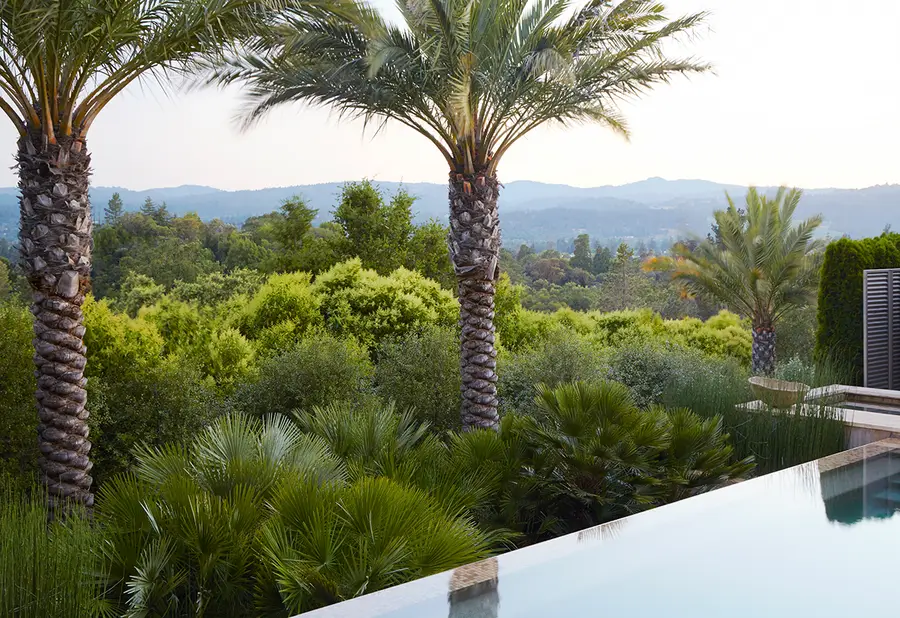 Garden storyThe Ultimate Guide to Growing Palm Trees in Coastal CaliforniaWe can grow many kinds of palms in our coastal California gardens — palm trees, shrubby palms, bamboo palms, little foliage palms — lucky us! Our guide to everything palm has all the info you need to make the best selections for your garden.
Links
What we've learned from growing this plant ourselves and in our customers' gardens. We always love to hear more. Tell us
© 2020–2026 Grubb and Nadler. All rights reserved.