
Jubaea chilensis
Chilean wine palm
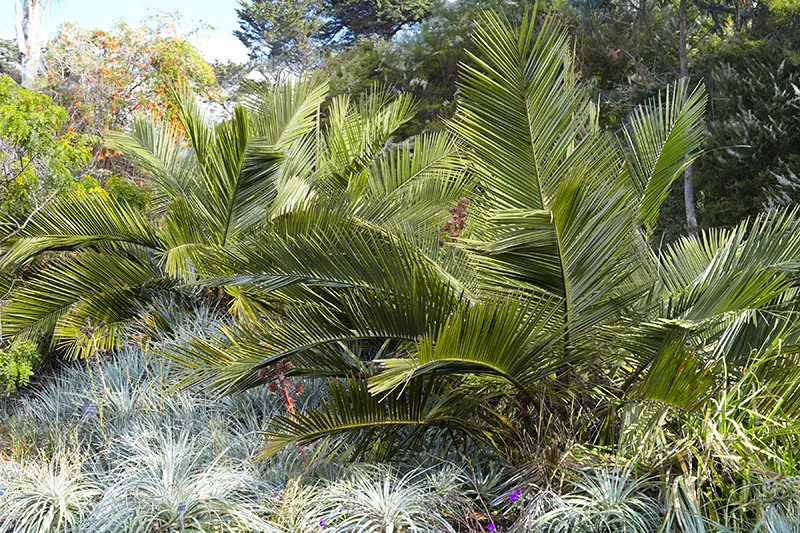
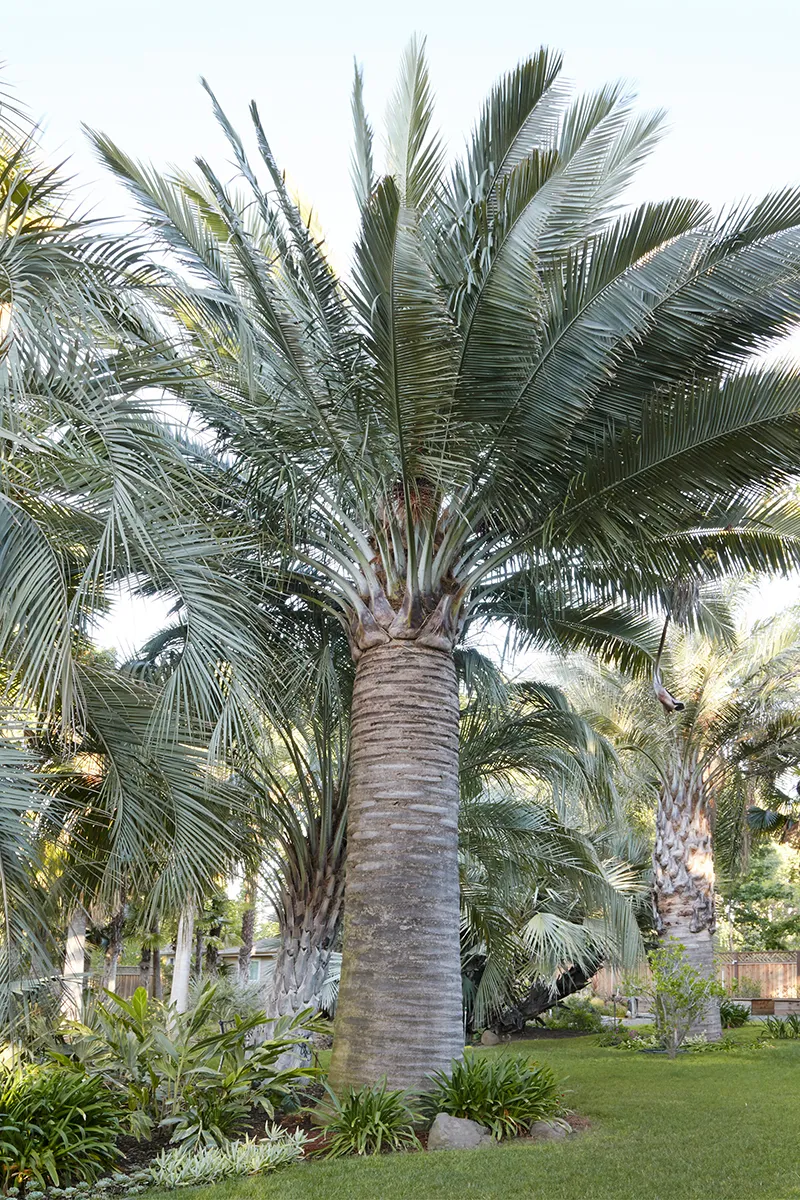
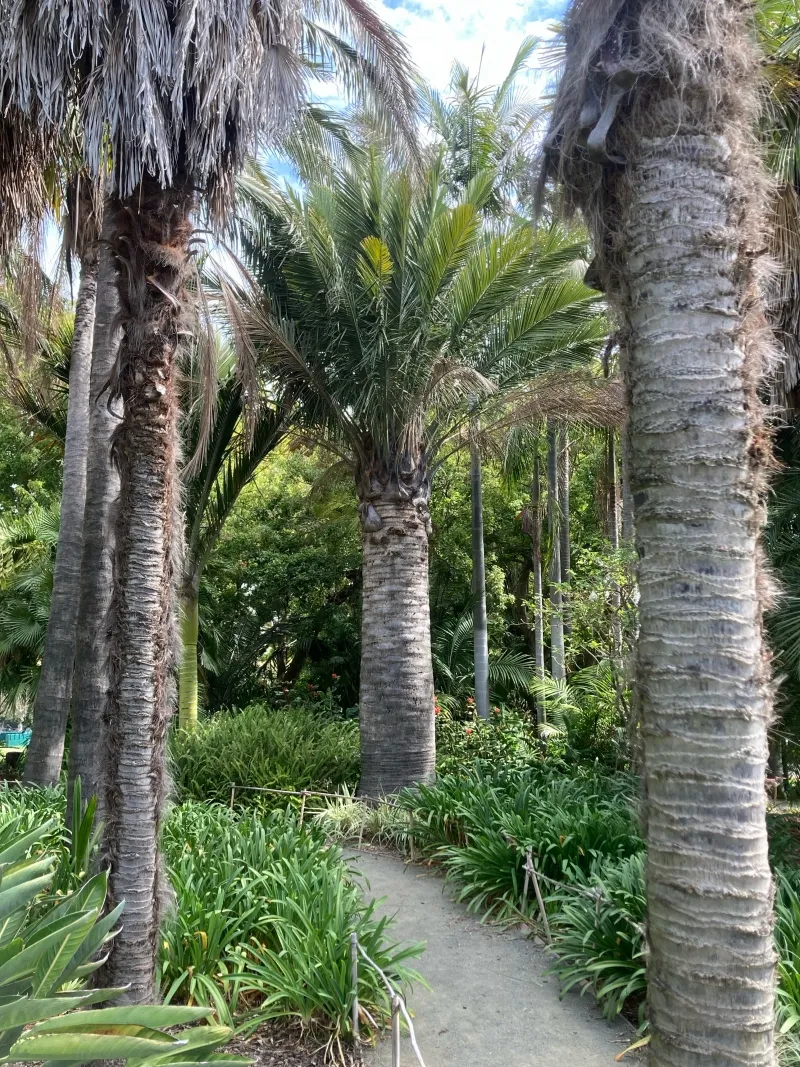
The grandest of all palms, with smooth robust trunk & full crown of green-blue fronds. Edible nuts. Hardy.
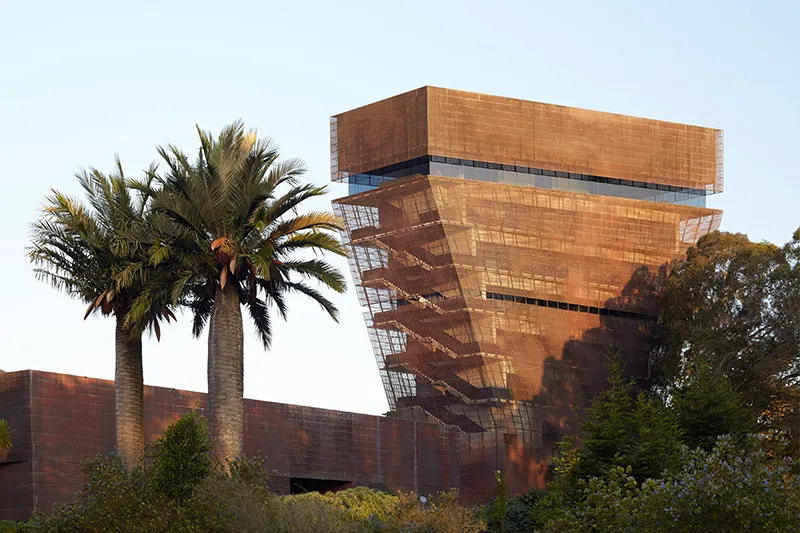
Seen in Palms for the Dry Garden →
 Height | 50–100ft |
|---|---|
 Width | 15–20ft |
 Tolerates | Cold, Cool Summers, Drought, Fog, Heat, Wind |
 Water needs | Low – Moderate |
Not all palms love water! This one is actually drought-tolerant and can live quite happily on little or no water once it's established, though it'll grow more slowly and may not look as lush. To keep your palm looking its best, be sure to water it consistently and deeply while it's getting established, then after a few years give it a good deep soaking every couple of weeks. It will also be happy to have more water, provided the soil drainage is adequate. | |
 Hardy to | 10°F |
 Exposure | Part Sun – Full Sun |
 Plant traits | Edible, Palm, Solitary, Tropical, Trunking |
 Indoor / outdoor | Outdoor |
 Drainage | In Ground: Cactus Mix, In Pots: Cactus Mix, Tolerates Sandy Soil |
 Fertilizing | Palm Fertilizer |
 Origin | Chile |
 California native | No |
 Sunset zones | 7–9, 14–23 |
Growing Notes
Palms are generally heavy feeders, so if you want them growing quickly and looking their best, they should be fertilized at least three times a year. Fertilizing at spring equinox, summer solstice and fall equinox will allow for a winter rest. Be sure to feed your palm with a fertilizer that contains micronutrients (especially including magnesium), especially if you see yellowing leaves or yellow spots on the leaves.
Once it's mature, this palm will naturally shed its leaves, leaving the trunk below the palm's crown exposed. A great choice if you're looking for a palm with a clean trunk, but don't want to deal with manually removing the leaves.
Special Interest
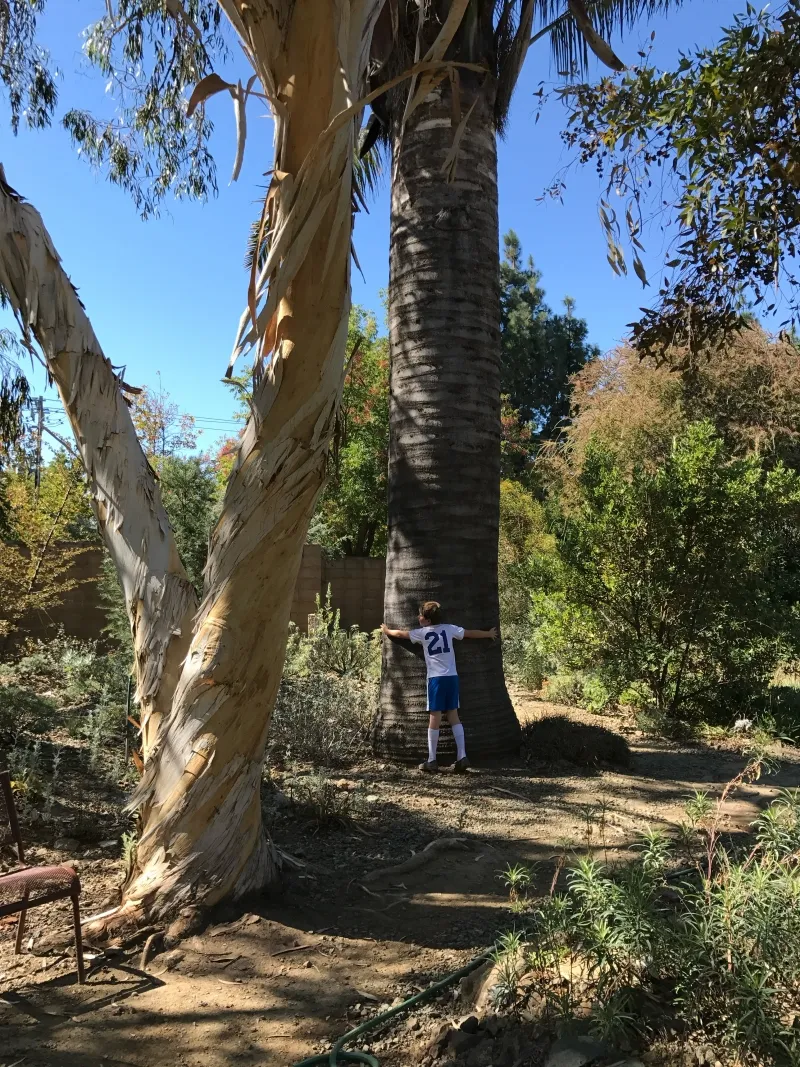
This palm creates a stout trunk, the thickest of any palm, which is quite impressive as an adolescent. As it matures it will eventually taper giving the trunk a wine bottle shape. This isn't, however, why it is called the Chilean wine palm. Mature trees can be downed (but why would you!) and their sweet sap is traditionally turned into an alcoholic brew.
Edible miniature coconuts are ripe when they fall from the tree. They are about the size of a ping pong ball, but instead of only a couple coconuts each flower cluster makes dozens of nuts. They don't have coconut water, but the meat of the nut is a delicacy.
Stories featuring this plant
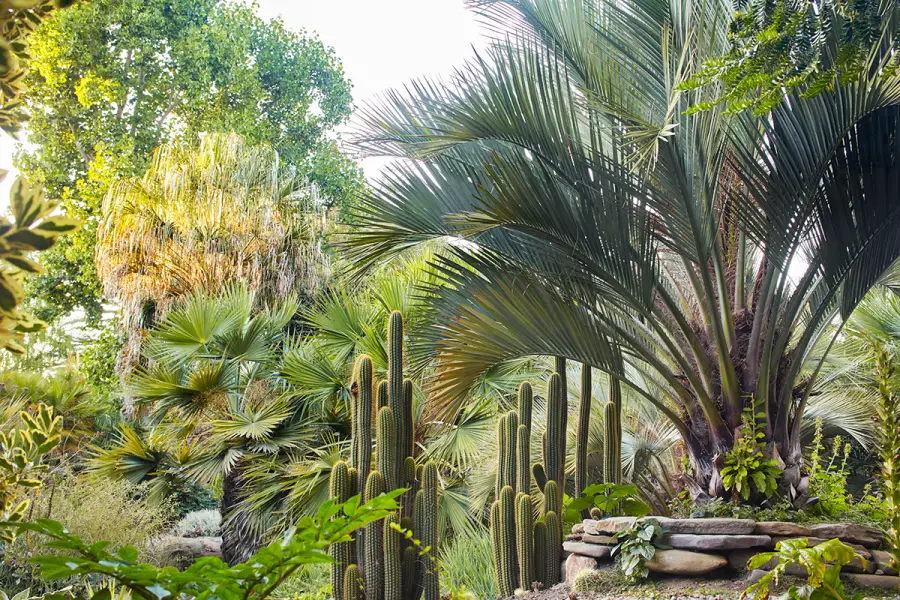 Garden storyPalms for the Dry GardenThe dry garden is a place we cultivate for harvest and beauty and life outdoors without overdoing the water in our summer-dry climate. With all their beauty and versatility, palms can play an important in the dry garden.
 Garden storyThe Ultimate Guide to Growing Palm Trees in Coastal CaliforniaWe can grow many kinds of palms in our coastal California gardens — palm trees, shrubby palms, bamboo palms, little foliage palms — lucky us! Our guide to everything palm has all the info you need to make the best selections for your garden.
Links
Which store do you shop at?
The above information reflects the observations of Grubb and Nadler and our extended plant community. We always consider input from fellow horticulturists and welcome feedback from those with additional information on the culture of this plant.
© 2020–2026 Grubb and Nadler. All rights reserved.