
Lavandula stoechas ‘Silver Anouk’
lavender
Compact, silvery Spanish lavender sports fat purple flowerheads on silvery foliage in spring and summer.
In stock in San Francisco and Los Angeles
from $29.95
 Mature size | 2–3ft tall 3–6ft wide |
|---|---|
 Exposure | Full Sun |
 Hardy to | 0°F |
 Sunset zones | 4–24, H1 |
 Water needs | Low Since lavender is native to the Mediterranean it adapts effortlessly to the winter rains of California, being one of the easiest and most durable plants we can grow. Water this plant infrequently, when the top two inches or so of soil feel dry. Usually this will mean every week or two in dry weather. If you establish this pattern over several years, then you can cut back to watering every four to six weeks in dry weather. Closer to the coast lavender often thrives without additional irrigation once it has put down a healthy root system. Lavender is intolerant of consistently wet soil in summer and should not be planted with other plants that will require more than moderate levels of water. Use drippers, emitters, or a slow stream of water so that it doesn't run off; allow the water to trickle all the way down through the deepest layers of soil. In a pot slowly water the entire surface until water comes out of the bottom of your pot. |
 Tolerates | Coast, Cool Summers, Drought, Fog, Heat, Pots, Rooftops, Neglect, Wind, Cold, Deer, Gophers |
 Plant traits | Bees, Flowering, Fragrant Flower, Fragrant Foliage, Shrub, Cottage, Edible, Hedge |
 Drainage | In Ground: Cactus Mix, In Pots: Cactus Mix, Tolerates Sandy Soil |
 Fertilizing | Low Needs |
 Origin | Mediterranean |
Similar plants
- Lavandula buchii
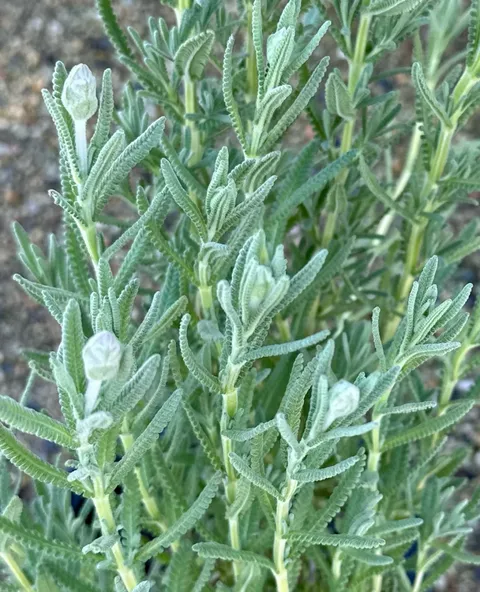 Lavandula dentata
- Lavandula stoechas ‘Primavera’
- Lavandula stoechas ‘La Diva Berry Beautiful’
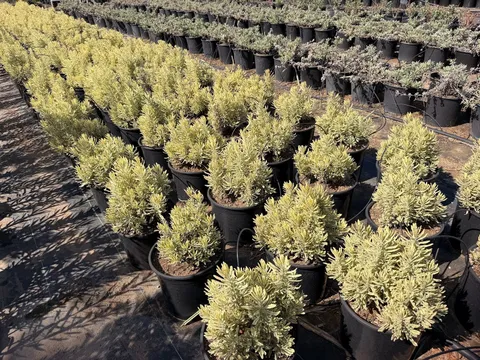 Lavandula x allardii ‘Meerlo’
- Lavandula stoechas ‘La Diva Berry Rosey’
- Lavandula dentata ‘La Diva Imperial’
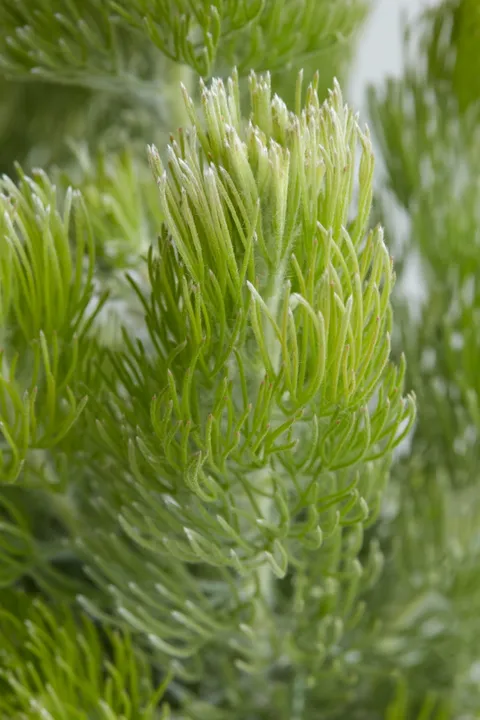 Adenanthos sericeus
- Aesculus californica
- Agave ‘Blue Ember’
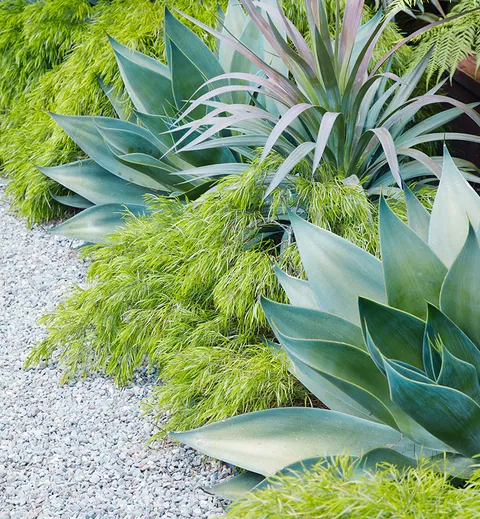 Agave ‘Blue Flame’
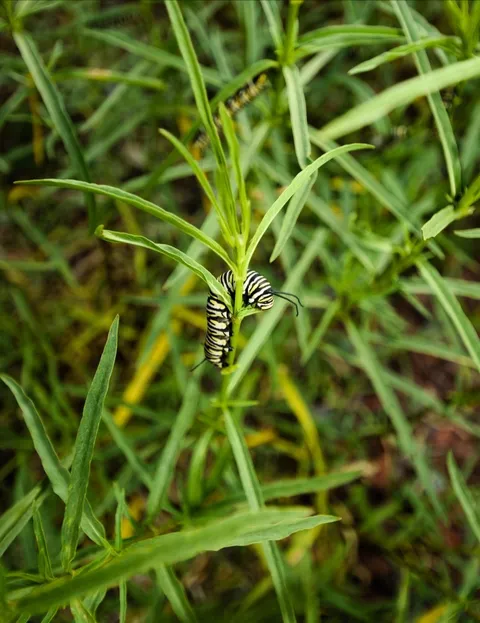 Asclepias fascicularis
Growing Notes
Sheer your plant yearly (cutting back by anywhere from one third to two thirds) just after the blooms finish. This keeps your plants dense and tidy; just as important it also removes the persistent dried flower spikes.
Lavender does not want to be in the shade, where it will survive, but look listless and floppy. This is especially true near the coast.
While it is marginally adaptable to clay soil, lavender prefers rich well drained soils.
Mass plant lavender using informal hedges to capture that iconic Mediterranean villa look. Mix with olives, grasses and rosemary.
Special Interest
Aromatic oils from lavender are used in a myriad of ways including lavender teas, candles, and soaps. It is also used in medicine where it relieves anxiety and depression, and also is thought to help with digestion (see link below). You can try lavender flavored ice cream, and it even has a color named after it!
The historic use of this plant is right there in the genus name of lavender, from the latin word lavre or to wash, a hold over from the Roman Empire when lavender was used as a perfumy bath additive. Even more interesting, Egyptians used lavender during mummification to keep their pharos smelling fresh in the afterlife.
Links
What we've learned from growing this plant ourselves and in our customers' gardens. We always love to hear more. Tell us
© 2020–2026 Grubb and Nadler. All rights reserved.