
Sabal uresana
Sonoran palmetto
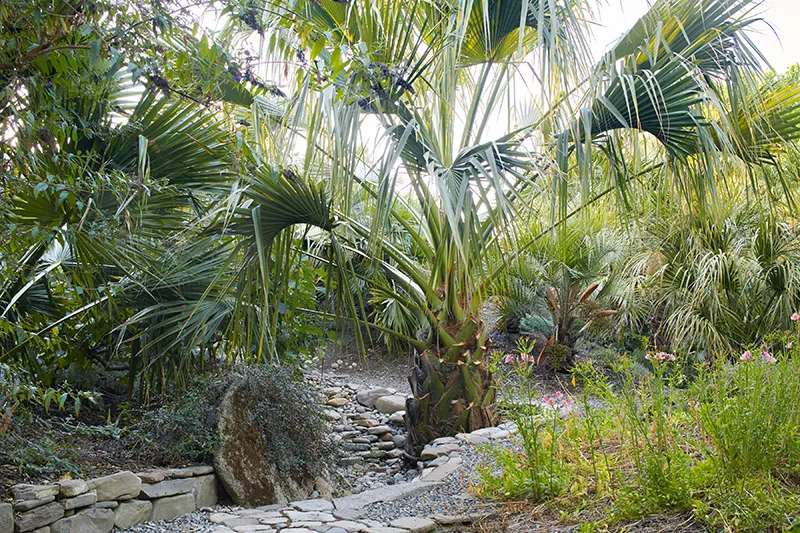
Broad, often silver, fan-shaped leaves with recurved blades. Foliage feature when young, slowly matures into a large tree with a stout trunk. Dramatic impact. Hardy.
 Height | 20–30ft |
|---|---|
 Width | 15–20ft |
 Tolerates | Cold, Drought, Heat |
 Water needs | Moderate |
This palm should be watered deeply every week or two once it's established. It doesn't want to ever dry out completely. | |
 Hardy to | 18°F |
 Exposure | Full Sun |
 Plant traits | Foliage Feature, Rosette, Tree, Tropical, Trunking |
 Indoor / outdoor | Outdoor |
 Drainage | In Ground: Cactus Mix, In Pots: Cactus Mix, Tolerates Heavy Soil, Tolerates Sandy Soil |
 Fertilizing | Palm Fertilizer |
 Origin | NW Mexico |
 California native | No |
 Sunset zones | 8, 9, 11–24, H1, H2 |
Growing Notes
Slow growing, though this palm will reach ample proportions with many decades. An adult planting this tree can expect their grand kids to see a thirty foot tall tree. Luckily it is a beautiful foliage feature when young, forming an open, gazebo-like dome of foliage before developing its trunk.
Excellent dry heat tolerance for desert and interior areas of California.
Palms are generally heavy feeders, so if you want them growing quickly and looking their best, they should be fertilized at least three times a year. Fertilizing at spring equinox, summer solstice and fall equinox will allow for a winter rest. Be sure to feed your palm with a fertilizer that contains micronutrients (especially including magnesium), especially if you see yellowing leaves or yellow spots on the leaves.
Fan palms have leaflets spreading from the tip of the rachis, giving the crown of the palm a rounded full look. They tend to rustle in the breeze, adding a soothing note to the garden.
Special Interest
Native to the Sierra Madre Occidental mountains of Sonora and Sinaloa unto 4,000 feet.
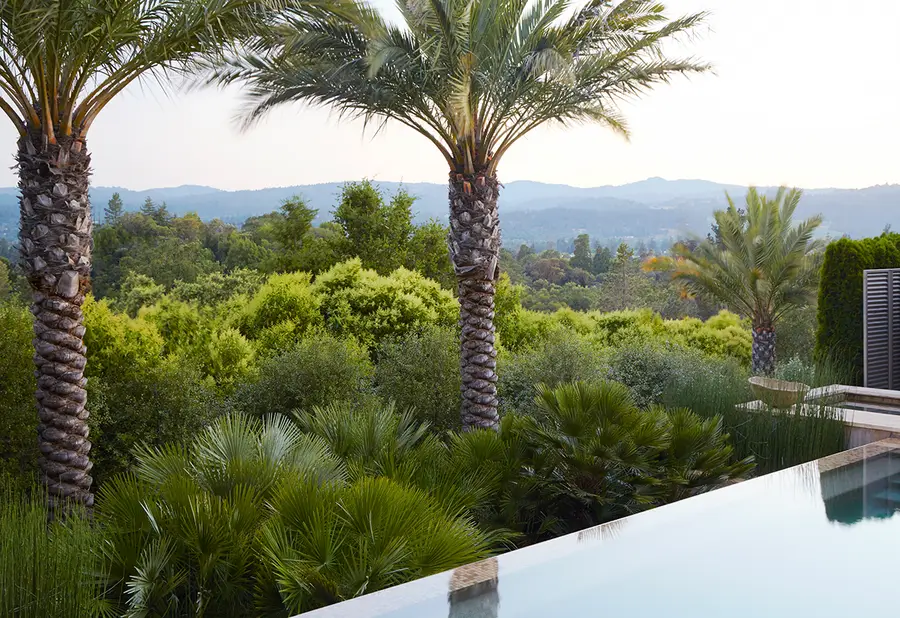
This palm contributes to the oasis-style garden, especially when it's mixed with cactus and other drought-tolerant plants like euphorbias. It also makes an unusual and yet compelling addition to the Mediterranean garden when mixed with lavender, rosemary, and olives.
Stories featuring this plant
More Info
A key diagnostic feature is that the petioles are smooth (unarmed), extending well into the leaf blades where they create a "V" shape.
Links
In stock today in Los Angeles
| 36 inch | 1 available | $1,099 |
The above information reflects the observations of Grubb and Nadler and our extended plant community. We always consider input from fellow horticulturists and welcome feedback from those with additional information on the culture of this plant.
© 2020–2026 Grubb and Nadler. All rights reserved.