
Syagrus weddelliana
wedding palm
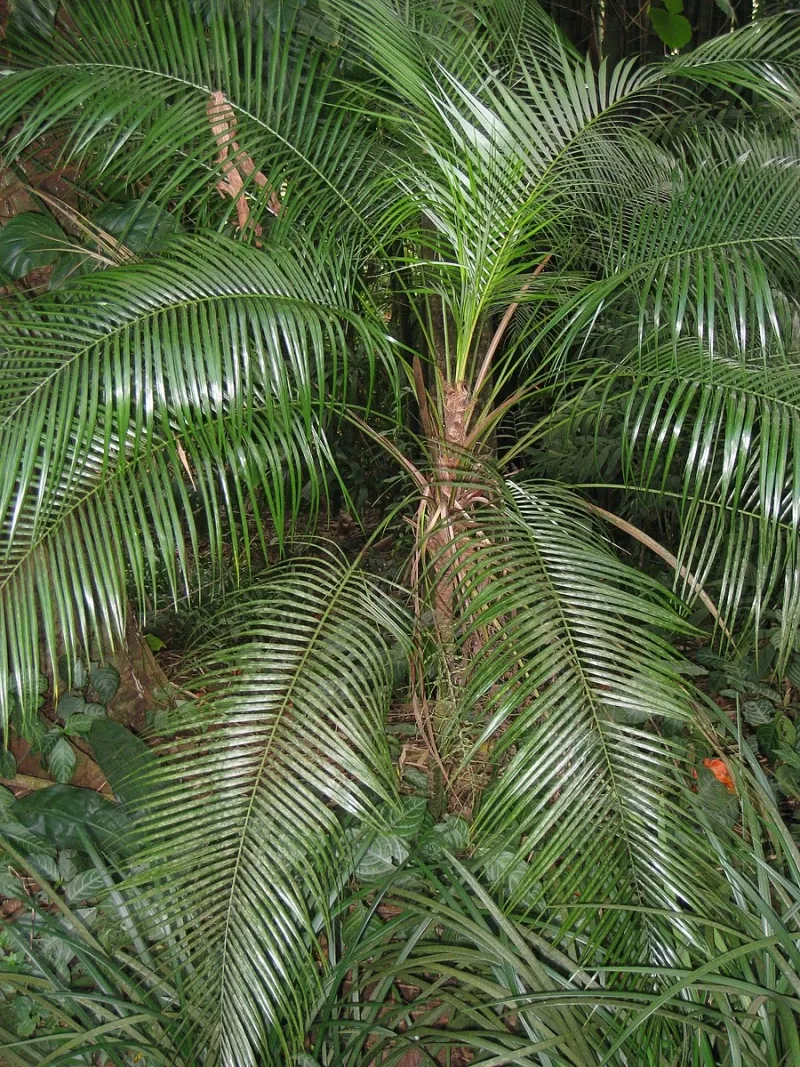
Growing it outdoors
Exquisite miniature feather palm nice in understory and potted. Best in warm-summer areas, good drainage.
 Synonyms | Lytocaryum weddellianum Cocos weddelliana Microcoelum weddellianum |
|---|---|
 Height | 3–12ft |
 Width | 3–5ft |
 Tolerates | Cool Summers, Fog, Narrow Planting, Pots |
 Water needs | Moderate |
Water this plant regularly, when the top inch or so of soil feels dry. If you establish this pattern over several years, then you can cut back to watering every week or two in dry weather. Use drippers, emitters, or a slow stream of water so that it doesn't run off; allow the water to trickle all the way down through the deepest layers of soil. In a pot slowly water the entire surface until water comes out of the bottom of your pot. | |
 Hardy to | 25°F |
 Exposure | Full Shade – Part Shade |
 Plant traits | Palm, Solitary, Tropical |
 Drainage | In Ground: Cactus Mix, In Ground: Planting Mix, In Pots: Cactus Mix, Tolerates Sandy Soil |
 Fertilizing | Palm Fertilizer |
 Origin | S Brazil |
 California native | No |
 Sunset zones | 16, 17, 19–24, H1, H2 |
Growing Notes
Prune off lowest leaves as they brown to keep this palm looking tidy. Mature plants in warmer areas can produce marble-size coconuts with husks that split when ripe.
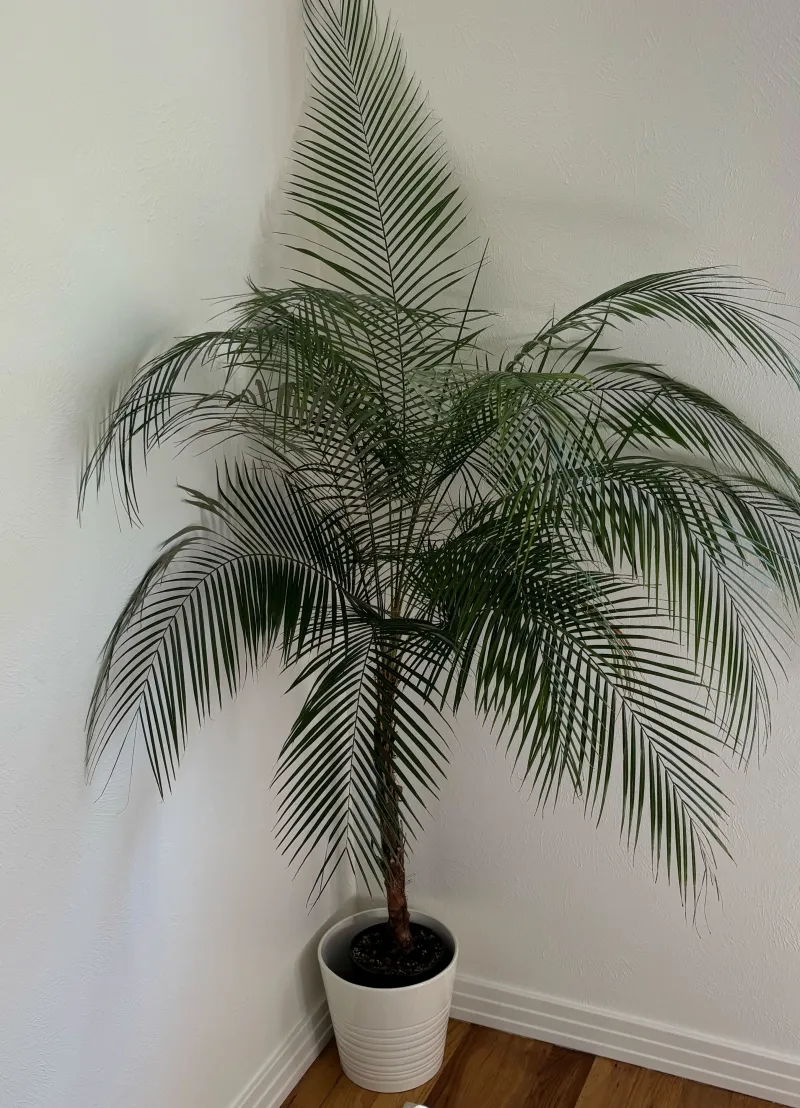
Growing it indoors
| Synonyms | Lytocaryum weddellianum Cocos weddelliana Microcoelum weddellianum |
|---|---|
| Height | 3–12ft |
| Width | 3–5ft |
| Water needs | When soil is mostly dry. |
This plant wants the top two thirds of its soil to dry out between waterings, while always having some moisture left deep in the pot. Never let it dry out completely. Generally the wedding palm will want water every one to three weeks once established, with a bit more in the first year. Remember that the watering will vary based on how much light your plant is in, and also the size of its pot, with plants in more light or smaller pots needing more frequent watering. If the lowest leaves are consistently turning crispy and brown, without new growth replacing them from the top of the crown, it's likely that you are under watering. | |
| Exposure | Bright Indirect |
| Plant traits | Palm, Solitary, Tropical |
| Drainage | In Pots: Cactus Mix |
| Fertilizing | Palm Fertilizer |
| Origin | S Brazil |
Growing Notes
Prune off lowest leaves as they brown to keep this palm looking tidy.
Which store do you shop at?
Special Interest
Grows up to 3,000 feet in Brazil's Atlantic forest in the states of Rio de Janeiro and Espirito Santo. Its home climate is tropical with a cool, drier winter and rainy summer.
Stories featuring this plant
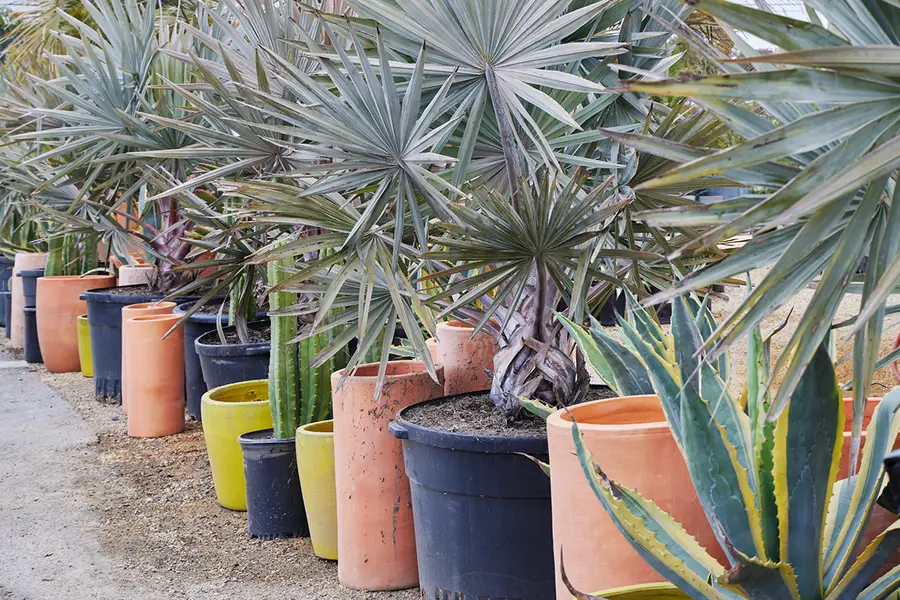 Garden storyPalms for Tight SpacesThere are many challenges when planting a garden, including considering damage to retaining walls, sidewalks, foundations, and underground utilities. Often the easiest way to overcome these tricky spots is planting small plants that won’t have a large impact on nearby infrastructure. But what if you need a larger, more substantial element?
 Garden storyThe Ultimate Guide to Growing Palm Trees in Coastal CaliforniaWe can grow many kinds of palms in our coastal California gardens — palm trees, shrubby palms, bamboo palms, little foliage palms — lucky us! Our guide to everything palm has all the info you need to make the best selections for your garden.
More Info
Can this plant be a houseplant? Well that's a tricky question. This specific plant hasn't been grown to be a houseplant. Houseplants are grown under regulated conditions and with sterile soil, setting them up to thrive in your home. When outdoor-grown plants are taken indoors, they tend to transition poorly, often becoming magnets for pests. That said, if you decide to live dangerously and bring this plant indoors, here's some advice to help you out. Start by un potting the plant and removing any loose soil (but don't disturb the roots). Next, preemptively treat the entire plant, including the roots, with an insecticidal soap. Be sure to treat the roots gently throughout this process. Use a new nursery can or sterilize the previous one with bleach. Repot the plant in a fresh mix and then water deeply with the insecticidal soap mix. Be sure to keep an extra close eye out for any pests that might pop up. Always consider the risk of introducing pests to your other houseplants.
Links
The above information reflects the observations of Grubb and Nadler and our extended plant community. We always consider input from fellow horticulturists and welcome feedback from those with additional information on the culture of this plant.
© 2020–2026 Grubb and Nadler. All rights reserved.